

Asphalt driveways offer you budget-friendly installation at $3–$7 per square foot with a 15–30 year service life, though you’ll face mandatory maintenance cycles every 2–5 years for sealcoating and crack sealing. Performance depends heavily on your climate zone, PG-rated binders and polymer modifications handle freeze-thaw stress, while high-temperature regions above 152°F accelerate oxidation and rutting. You’ll need proper base preparation and drainage design to prevent premature failure. The sections below break down installation costs, longevity factors, and climate-specific specifications for your project.
Budget-Friendly Installation: What You’ll Pay Upfront
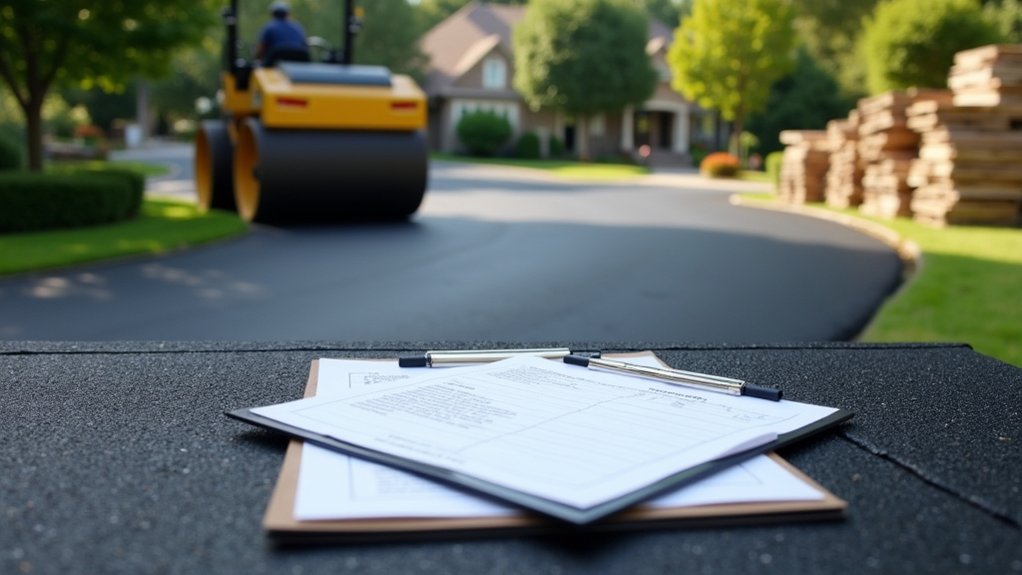
Seasonal weather impact affects scheduling and curing times; optimal installation occurs above 50°F. You’ll realize payback through home value increases and enhanced curb appeal. Permitting fees typically add $50 to $200, excluded from base estimates.
How Long Will Your Asphalt Driveway Last?
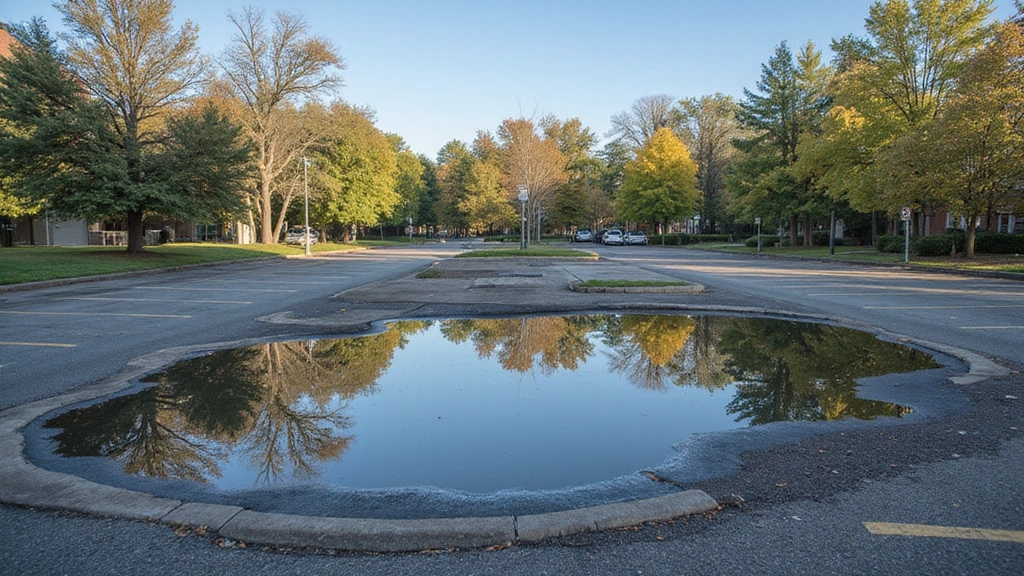
When properly installed to code specifications with a minimum 3-inch hot-mix overlay and engineered base, your asphalt driveway will deliver 15–30 years of service life. Installation quality directly determines longevity; insufficient base excavation, inadequate compaction, or poor drainage considerations accelerate premature failure. Climate exposure, particularly freeze-thaw cycles requiring frost heave prevention measures, impacts regional performance variability.
| Material | Typical Lifespan | Key Considerations |
|---|---|---|
| Asphalt | 15–30 years | Installation quality, maintenance frequency |
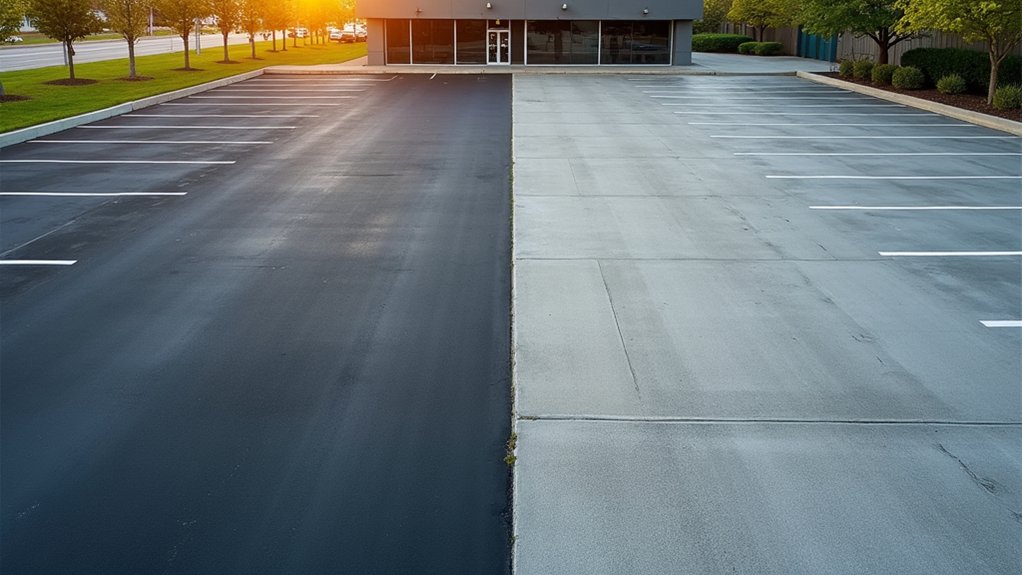
| Concrete | 25–40 years | Superior durability, higher initial cost |
| Pavers | 30+ years | Premium longevity, expensive installation |
| Gravel | 5–10 years | High maintenance, frequent replenishment |
Maximize service life through biennial sealcoating, immediate crack remediation, and proper drainage infrastructure to prevent water infiltration and base erosion. Seal coat every 2–3 years to protect the surface from UV rays, moisture penetration, and oil spills that can degrade the asphalt binder. Traffic volume and vehicle weight also influence driveway longevity, with heavier vehicles and frequent use accelerating surface wear and potential structural damage. Asphalt is 100% recyclable, making it an environmentally responsible choice that reduces landfill waste and conserves natural resources.
Maintenance Requirements: Sealing, Repairs, and Ongoing Care
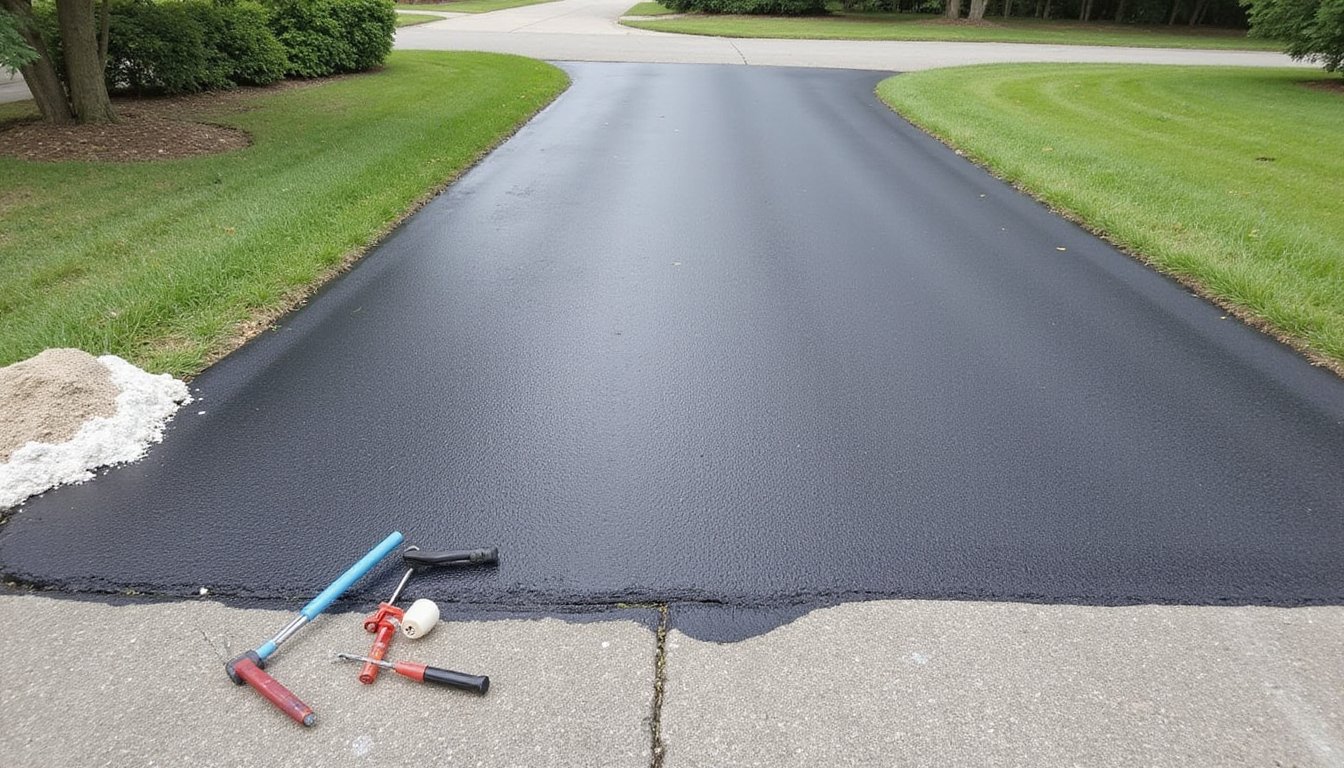
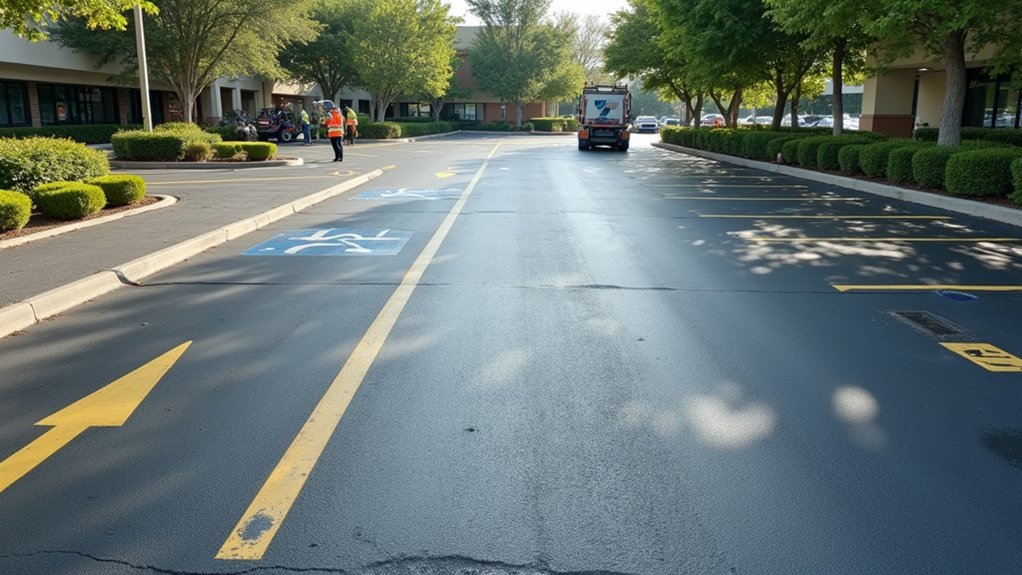
You’ll need to establish a systematic sealing regimen beginning 6–12 months post-installation, then reapply sealant every 2–5 years based on surface wear indicators and climate exposure. Crack sealing must occur annually before winter to prevent water infiltration and subsequent freeze-thaw damage that accelerates pothole formation. Immediate patching of potholes using hot-mix asphalt and proper compaction techniques stops structural deterioration at the sub-base level and extends overall pavement serviceability. Regular debris removal through sweeping or blowing maintains surface integrity and prevents premature wear. Pay particular attention to driveway edges, as these areas are weakest and most susceptible to crumbling and structural failure. Conducting bi-annual inspections allows you to detect emerging issues early and maintain a comprehensive maintenance schedule that prevents costly repairs.
Regular Sealing Schedule
Because asphalt surfaces deteriorate progressively through oxidation and weathering, establishing a systematic sealing schedule protects your investment and extends pavement lifespan by 10–15 years beyond unsealed surfaces.
Standard sealing intervals follow a 2–3 year cycle, though high-traffic installations or severe climate zones necessitate annual applications. New asphalt requires 6–12 months curing before initial sealing to prevent oil entrapment and surface softening.
| Condition | Sealing Interval |
|---|---|
| Standard residential traffic | Every 2–3 years |
| Heavy traffic or harsh climate | Annually |
| New asphalt installation | 6–12 months initial cure |
Sealing application timing restricts work to warm, dry conditions, ideally late spring through early fall, ensuring proper cure rates. Overapplication produces cracking, peeling, and premature failure. UV exposure accelerates surface oxidation and deterioration, particularly in sun-intensive locations, making proper sealing intervals even more critical. Monitor surface color fading, water absorption patterns, and texture degradation to determine ideal resealing timing. Cleaning up oil and gasoline spills promptly with asphalt-safe products prevents chemical breakdown that deteriorates the sealant and underlying pavement structure.
Crack and Pothole Repairs
Asphalt driveways develop five distinct crack classifications: hairline, minor, major, alligator, and potholes, each requiring specific repair protocols matched to severity and structural impact. You’ll apply cold-pour fillers for cracks under 1/2 inch, while hot-pour compounds deliver superior long-term repair effectiveness for larger defects. DIY vs. professional repairs hinges on crack complexity: hairline and minor damage suits homeowner intervention using rubberized asphalt-emulsion, whereas alligator cracking demands contractor-grade resurfacing due to base failure. Proper surface preparation, debris removal, moisture elimination, edge stabilization determines adhesion success. For potholes, you’ll backfill with compacted angular gravel, apply patch material level with surrounding pavement, and compact thoroughly. Neglecting timely intervention accelerates water infiltration, freeze-thaw cycling, and base deterioration, escalating repair costs exponentially while compromising structural integrity. Weather cycles create the most common catalyst for crack formation, as freezing and thawing causes water trapped in small fissures to expand and contract repeatedly, progressively widening initial surface defects into major structural failures. Cold pour crack filler requires 24-36 hours cure time before reaching full strength, making application timing critical for weather-dependent scheduling. Surface smoothing with putty knife or trowel ensures proper adhesion and eliminates air pockets that compromise filler effectiveness in smaller crack repairs.
Fast Construction Timeline Gets You Back on the Road
One of asphalt’s most significant advantages for residential installations is its compressed construction timeline, active paving typically completes within 3–4 days for most single-family driveways. This minimal construction disruption stands in stark contrast to concrete installations requiring 1–2 weeks of active work plus extended curing periods.
Asphalt paving delivers functional driveways in days, not weeks, minimizing disruption while concrete requires extended construction and curing time.
Your speedy driveway return follows this sequence:
- Site preparation and base installation: 1–2 days for clearing, grading, and compacted aggregate base
- Asphalt placement: Often completed in a single day for standard residential applications
- Initial curing: Light foot traffic permitted within 24–48 hours
- Vehicle access: Light cars safe after 3–5 days; full load capacity achieved within 7 days
Compare this to concrete’s 28-day cure cycle before reaching equivalent structural integrity, making asphalt the superior choice for time-sensitive projects. The properly compacted base prevents soft spots and uneven settling that could compromise your driveway’s longevity and performance over time.
Climate Compatibility: Where Asphalt Thrives and Struggles
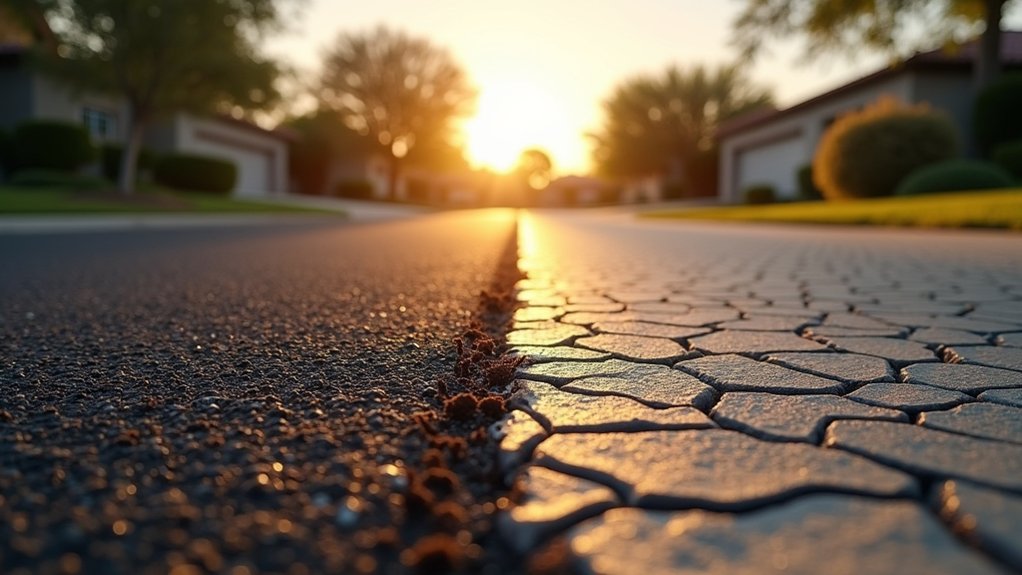
Your asphalt driveway’s performance directly correlates with your region’s temperature extremes and seasonal patterns. Standard PG 64-22 binders work adequately in moderate climates, but you’ll need upgraded specifications like PG 76-22 for areas experiencing surface temperatures exceeding 60°C or enhanced polymer modifications for regions with freeze-thaw cycles below -20°C. Geographic factors, including your area’s heat index, precipitation patterns, and ground temperature stability, determine whether you’re installing in a suitable environment or requiring specialized mix designs and additives to achieve acceptable service life.
Cold Climate Performance Benefits
Key performance factors include:
- Low-temperature PG-graded binders (e.g., PG 58-34) prevent thermal stress cracking
- Thicker lift depths (≥2″) retain heat during placement, enabling proper compaction
- Warm-mix asphalt technologies allow installation at reduced temperatures while maintaining workability
- Routine crack sealing interrupts moisture infiltration during freeze-thaw cycles
Your driveway’s longevity in northern climates hinges on specification compliance and proactive maintenance scheduling.
Heat-Related Challenges and Softening
Excessive heat systematically degrades asphalt driveways through two primary mechanisms: binder softening and accelerated oxidation. When surface temperatures exceed 152°F in hot climates, you’ll encounter rutting resistance challenges as softened binder loses structural integrity under vehicle loads. Heavy vehicles parked during peak heat accelerate deformation through shear stress on compromised pavement. UV radiation breaks down essential binder oils, increasing brittleness and surface cracking that permits water infiltration.
You’ll face heightened maintenance requirements in hot regions, including frequent sealcoating cycles and proactive crack filling. Urban heat islands compound these effects, while microbial activity concerns emerge when moisture penetrates oxidized surfaces. Specify high-temperature grade asphalt mixtures (PG 70-XX or higher) for enhanced performance. Cool pavement technologies with reflective coatings reduce surface temperatures, extending service life in extreme conditions.
Regional Suitability and Selection
While asphalt demonstrates remarkable adaptability across diverse climates, ideal performance requires precise material specification aligned with regional temperature ranges, precipitation patterns, and subgrade conditions. You’ll achieve maximum longevity through strategic mix selection:
- Cold climates: Polymer-modified or Superpave mixes accommodate freeze-thaw cycling while maintaining flexibility and crack resistance
- Hot regions: HMA with anti-oxidation additives and heat-resistant aggregates prevents rutting and bleeding under extreme UV exposure
- High-rainfall zones: Porous asphalt with engineered drainage installation manages runoff and mitigates flooding risks
- Variable conditions: WMA offers installation versatility across seasonal temperature fluctuations
Proper subgrade preparation remains critical regardless of climate; inadequate base compaction or drainage design compromises structural integrity. Your driveway’s 20–30 year lifespan depends on matching material specifications to local environmental stressors and maintaining compliant installation standards.
Design Options and Environmental Impact to Consider
Beyond basic functionality, asphalt driveways offer extensive customization through material combinations, surface treatments, and drainage-focused engineering that simultaneously address aesthetic preferences and environmental performance standards.
You’ll find design flexibility through paver edging, stamped patterns, and multi-material integrations that enhance curb appeal while supporting property valuation. Porous asphalt installations improve stormwater management and groundwater recharge, addressing site hydrology requirements. Material sustainability enters consideration through recycled asphalt aggregate (RAP) incorporation, reducing virgin petroleum consumption and landfill diversion.
However, conventional asphalt’s thermal absorption profile contributes to urban heat island effects. Mandatory seal coating every 3-5 years introduces chemical runoff concerns. Combining permeable pavers with strategic grading mitigates these impacts while maintaining design versatility. Your specification choices directly influence both long-term environmental footprint and maintenance obligations.
Frequently Asked Questions
Can Asphalt Driveways Increase My Home’s Resale Value?
Yes, asphalt driveways can increase your home’s resale value by 5–10% through increased curb appeal and improved property aesthetics. You’ll typically recoup 50–70% of installation costs, with potential gains of $10,000–$20,000 in many markets. A properly graded, sealed surface signals structural integrity and reduces deferred maintenance concerns. Real estate comps consistently show that homes with new or well-maintained asphalt driveways command higher offers, particularly when competing listings feature damaged or deteriorating access surfaces.
Is Asphalt Driveway Installation a DIY Project or Require Professional Contractors?
You’ll need professional contractors for asphalt driveway installation due to specialized equipment requirements and complex proper installation techniques. Hot-mix asphalt demands precise temperature control, compaction specifications, and base preparation that exceed typical DIY capabilities. When budgeting for driveway costs, factor in professional labor, it’s essential for code compliance and structural integrity. While you can handle minor repairs, full installations require paver machinery, rollers, and expertise in grading and drainage that only licensed contractors possess.
How Does Asphalt Compare to Gravel or Paver Driveways?
Asphalt offers superior compaction and lower maintenance requirements than gravel, which demands periodic regrading and material replenishment every 1–3 years. While gravel excels at drainage considerations with natural permeability, asphalt’s semi-impervious surface requires proper slope design per local codes. Pavers provide comparable drainage through permeable installations but cost $10–$30/sq ft versus asphalt’s $2–$5/sq ft. You’ll achieve 12–35-year service life with asphalt through routine sealcoating, balancing initial investment against long-term performance.
What Permits or Regulations Apply to Installing an Asphalt Driveway?
You’ll need construction permits for new asphalt driveway installations in most municipalities. Local zoning requirements dictate setbacks, impervious surface limits, and drainage specifications you must meet. Your permit application typically requires site plans, project descriptions, and fee payment. Replacement driveways matching existing dimensions may be exempt, but structural modifications always trigger permitting. You’re required to verify local building codes, mark underground utilities, and schedule inspections. HOA rules may impose additional material or aesthetic standards beyond municipal regulations.
Can I Park Heavy Vehicles Like RVS on Asphalt Driveways?
You can park RVs on asphalt driveways if they’re built to handle the load. Proper installation with 3″+ thickness and reinforced aggregate base is essential for vehicles exceeding 10,000 pounds. Weight distribution becomes critical, use plywood boards under jacks to prevent rutting. Avoid prolonged parking during hot weather when asphalt softens. For frequent heavy vehicle storage, you’ll need commercial-grade specifications or consider concrete alternatives that better resist concentrated loads and thermal deformation.