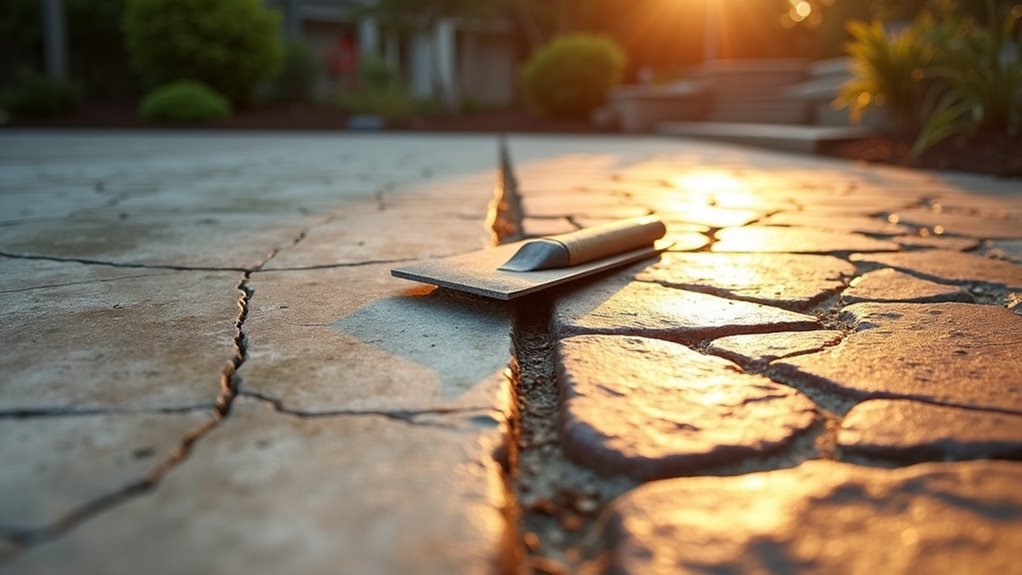
Repair & Resurfacing Guides
Can You Put Stamped Concrete Over Existing Concrete?
Stamped concrete over existing concrete works if your slab is sound. Learn which cracks are fine and which signs mean you need a full tear-out.

Stamped concrete over existing concrete works if your slab is sound. Learn which cracks are fine and which signs mean you need a full tear-out.
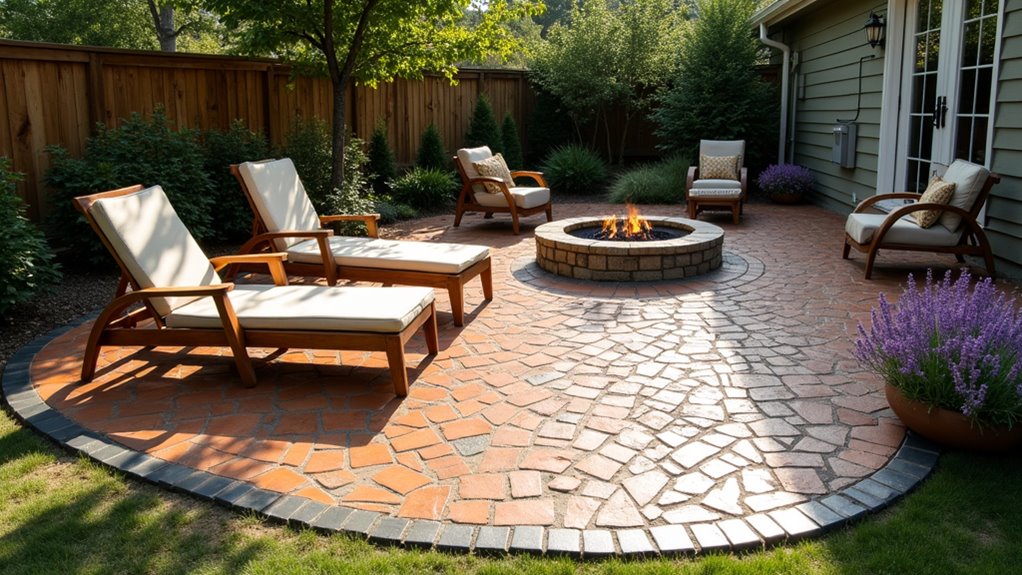
Stamped concrete patio ideas: match patterns, colors, and finishes to your home’s style, from ashlar slate to herringbone brick, plus sealing tips.
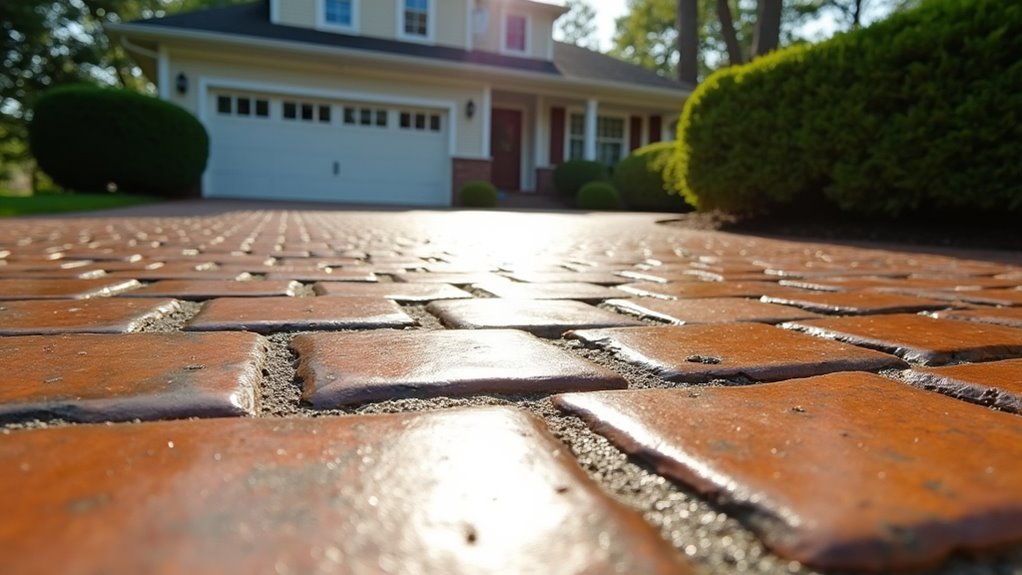
Stamped concrete driveways give you the look of stone, brick, or wood for $10 to $14 per sq ft. Compare cost, durability, and resealing needs.
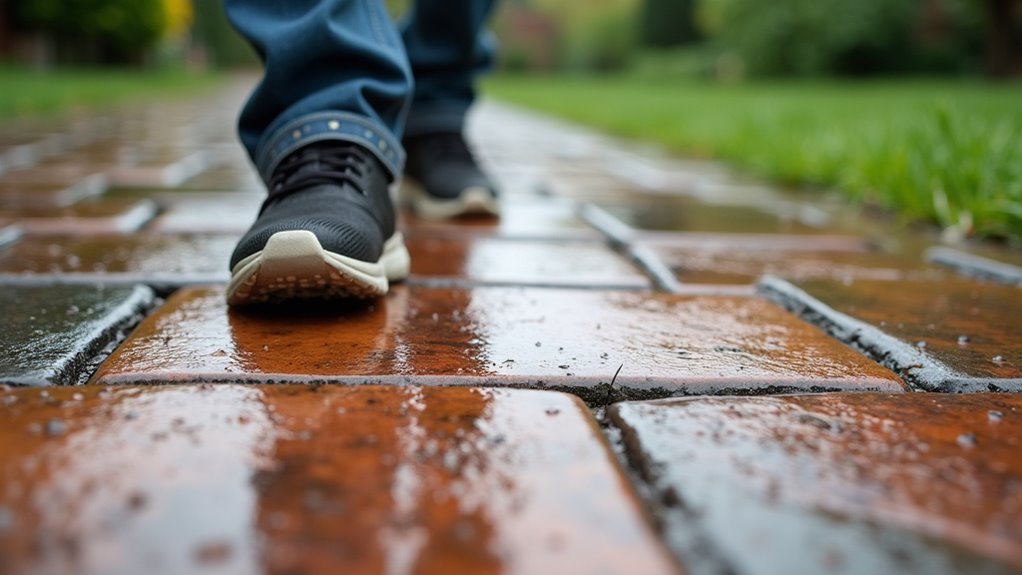
Is stamped concrete slippery when wet? Learn what makes it slick and how matte sealers and non-slip grit additives restore safe traction.
Stamped concrete lasts 25 to 50 years with proper installation and resealing every 2 to 3 years. Learn what affects its lifespan and how to protect it.
Stamped concrete vs. regular concrete: compare costs ($12, $22 vs. $4, $12 per sq ft), finishes, and upkeep to pick the right slab for your project.
Stamped concrete pros and cons: get the look of stone or brick for less, plus the resealing, cracking, and repair issues to weigh first.
Residential vs. commercial asphalt crack filling: compare equipment, ASTM D6690 sealants, downtime, and per-foot costs from $0.90 to $5.
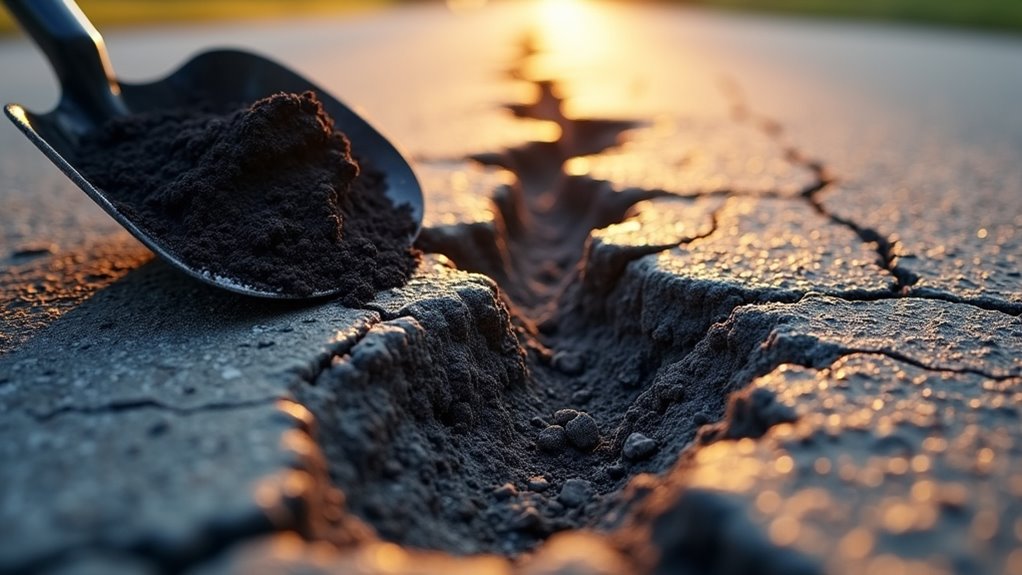
Patch asphalt instead of filling the crack when pavement has failed. Learn which damage types need patching so your repair lasts.
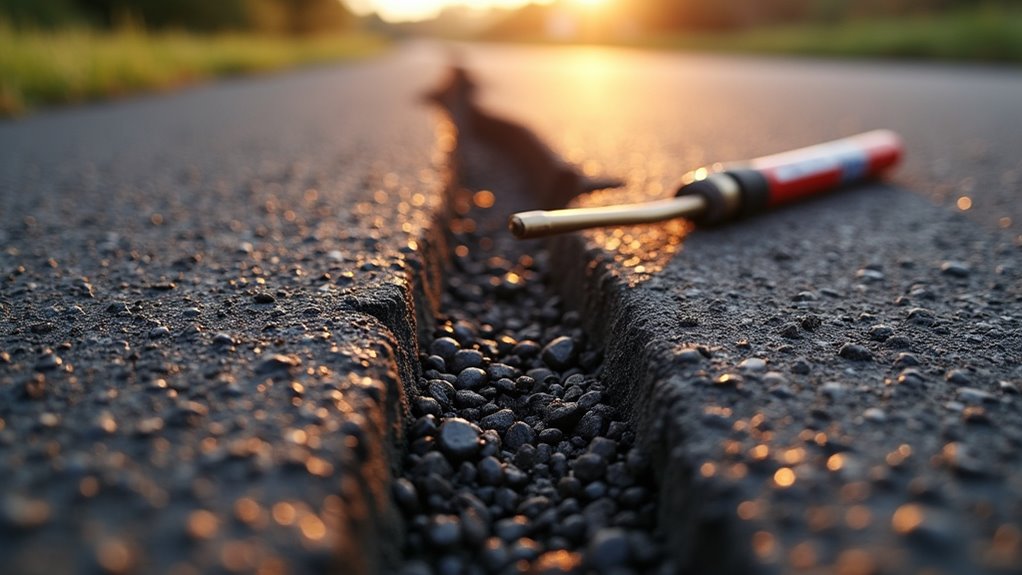
Pli-Stix vs. Crack-Stix: pick by crack width. Pli-Stix fills ½ to 1-inch asphalt cracks; Crack-Stix fills ¼ to ½-inch and self-levels.
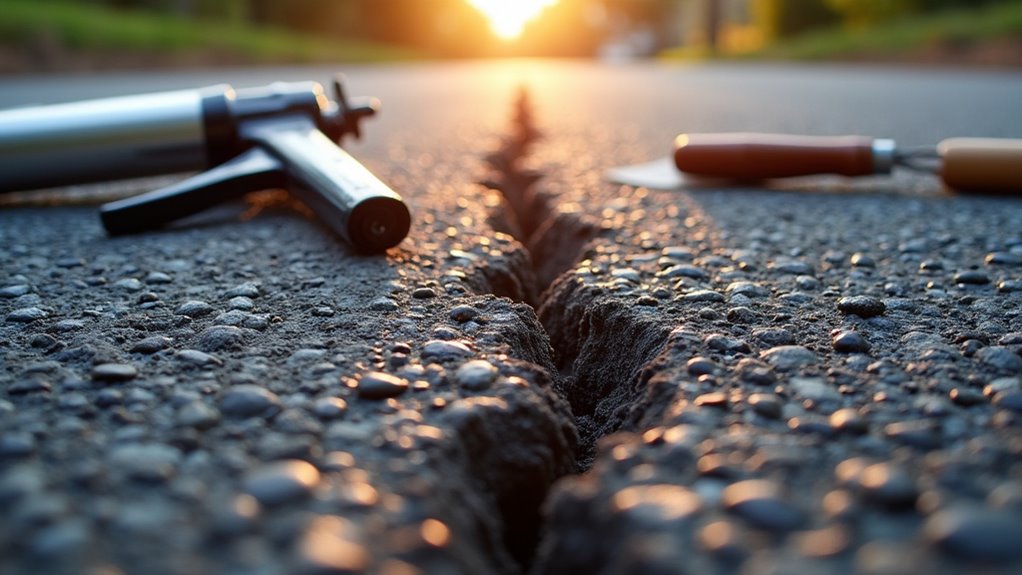
Crack filler vs. crack sealer: choose the right fix by crack movement, not width, to protect your driveway or lot from water damage.
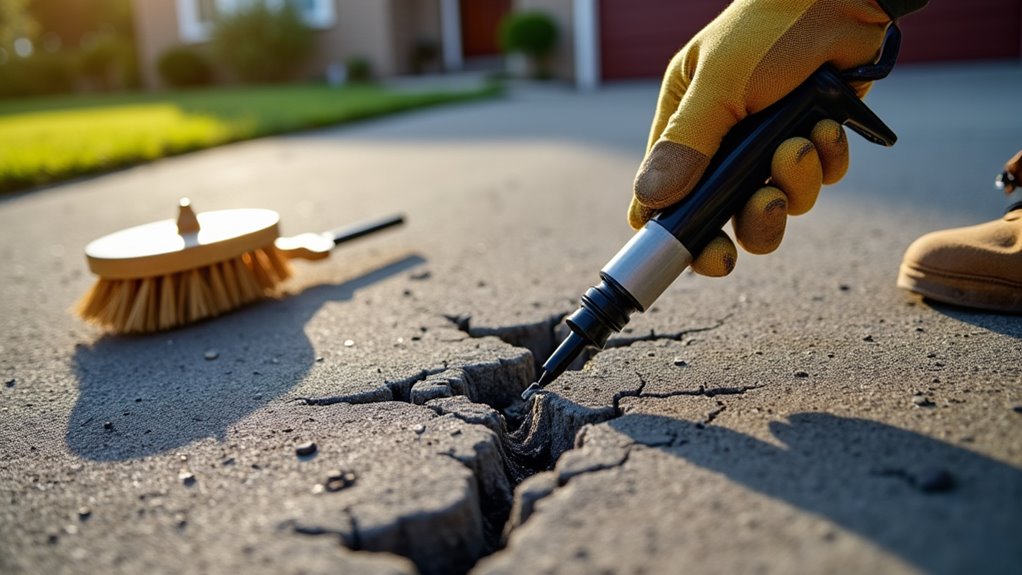
Fill and seal cracks in an asphalt driveway to keep water out and prevent costly damage. Learn prep, temperature, filling, and curing steps.
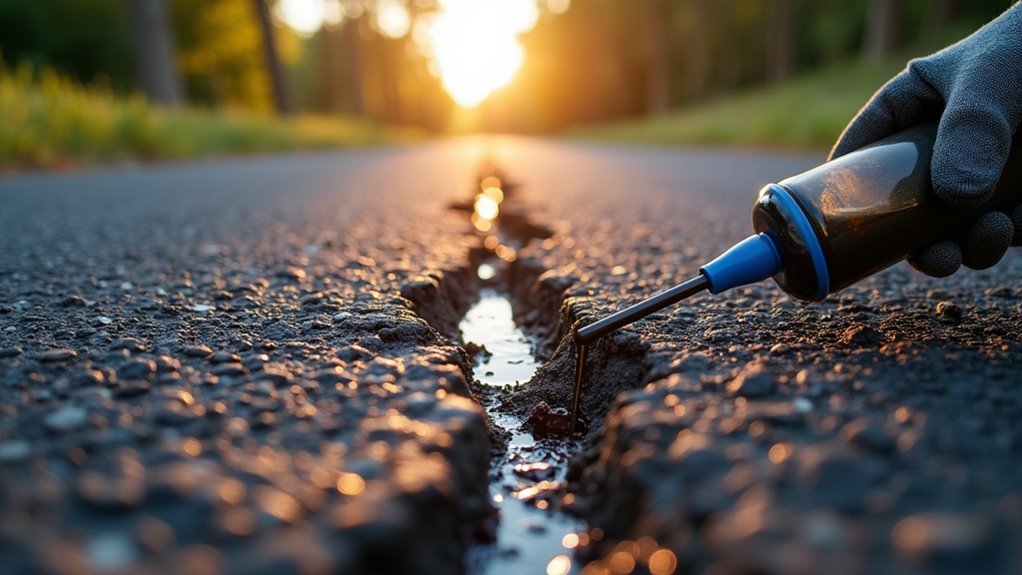
Liquid vs. rubberized asphalt crack filler: rubberized flexes with moving cracks and lasts 6 to 8 years vs. 2 to 4. Learn which suits your cracks.
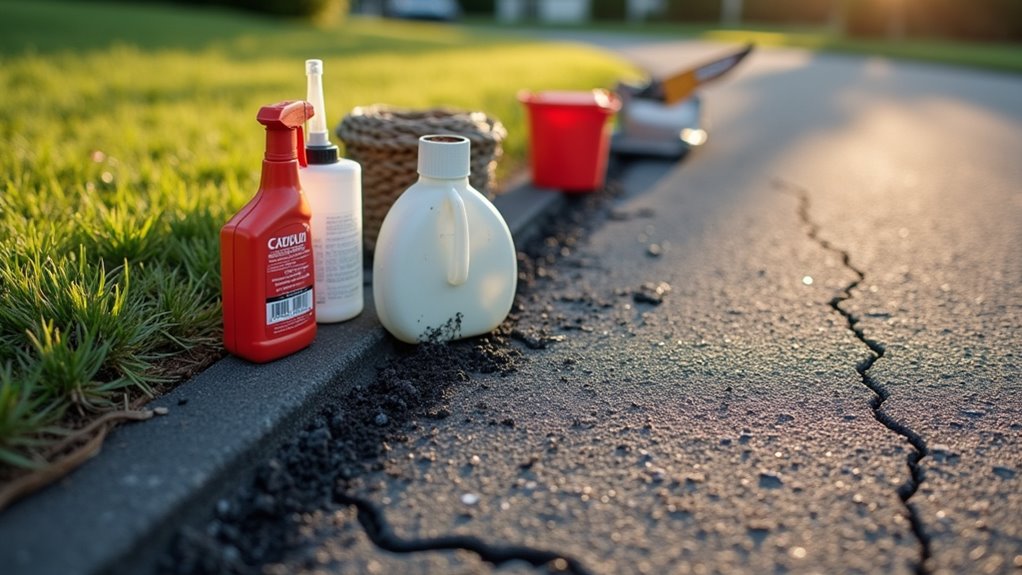
Best asphalt crack fillers for driveways: match the right product to your crack width, from hairline fractures to 1-inch gaps, for repairs that last.
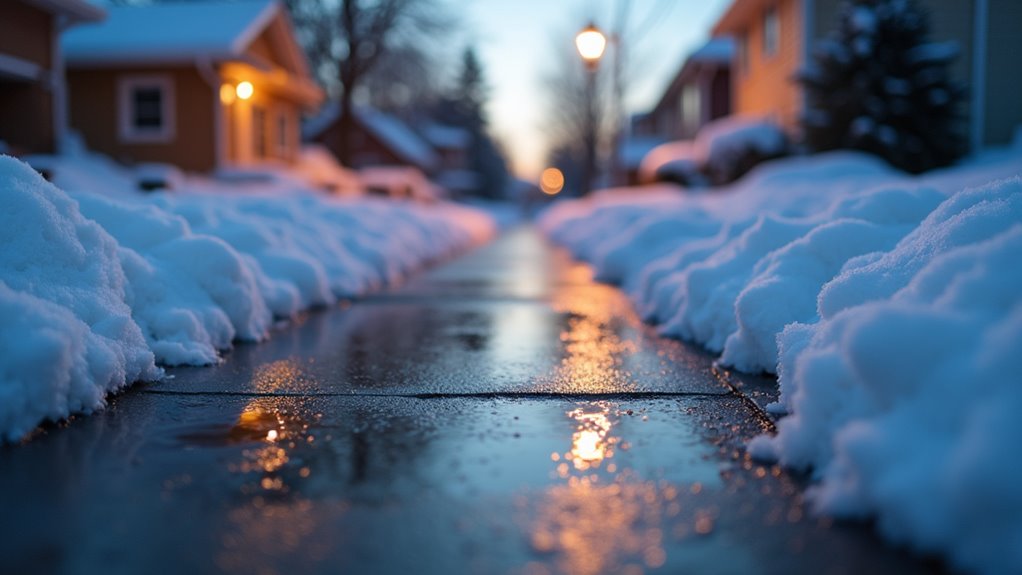
Heated sidewalks melt snow and ice from below so it can’t bond to pavement. Learn how electric and hydronic systems, sensors, and drainage work.
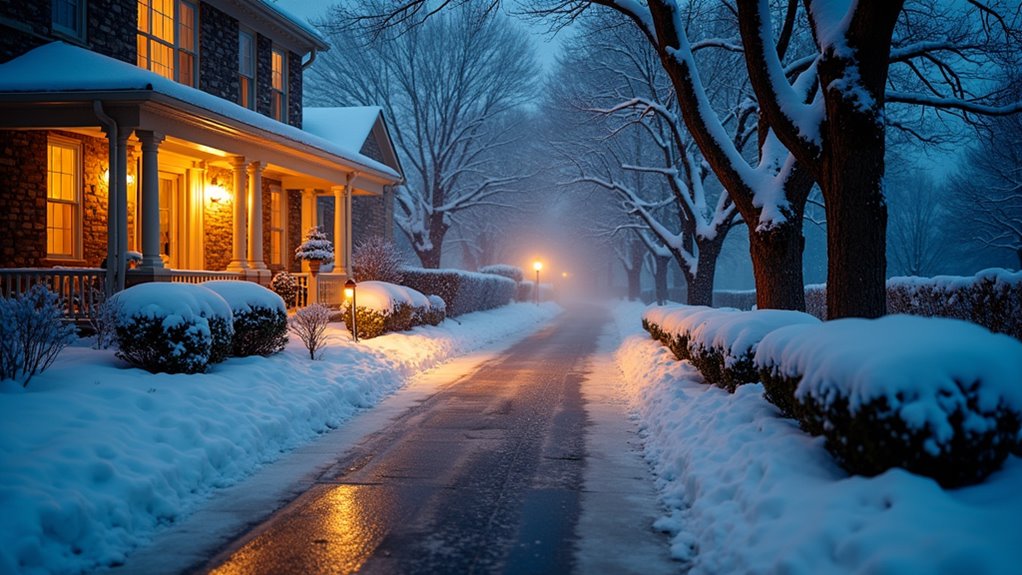
Heated driveways work in heavy snow and cold weather when sized right. Learn the watts per square foot needed to melt 1 to 3 inches of snow per hour.
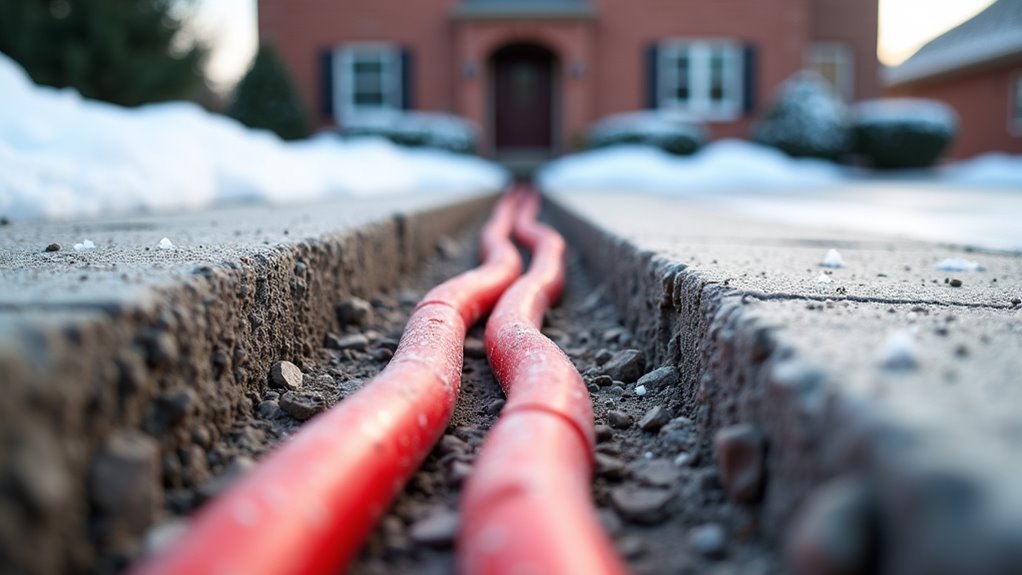
Heated driveway installation on an existing driveway is possible without tearing it out. Learn how saw-cut cables and asphalt overlays work.
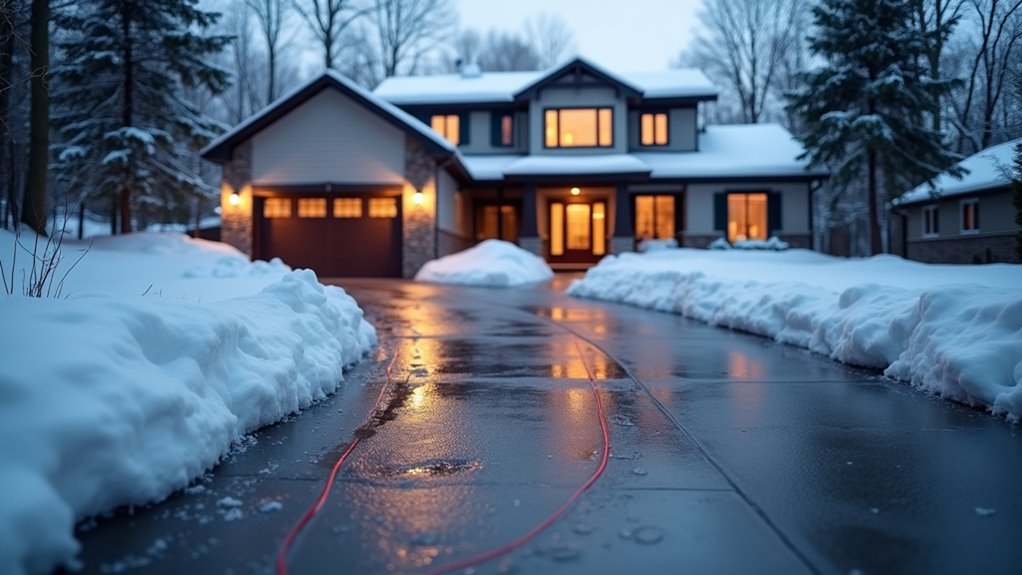
Heated driveway cost: electric systems run $8, $15 per sq ft and hydronic $12, $25. See what drives your total price, from labor to operating costs.
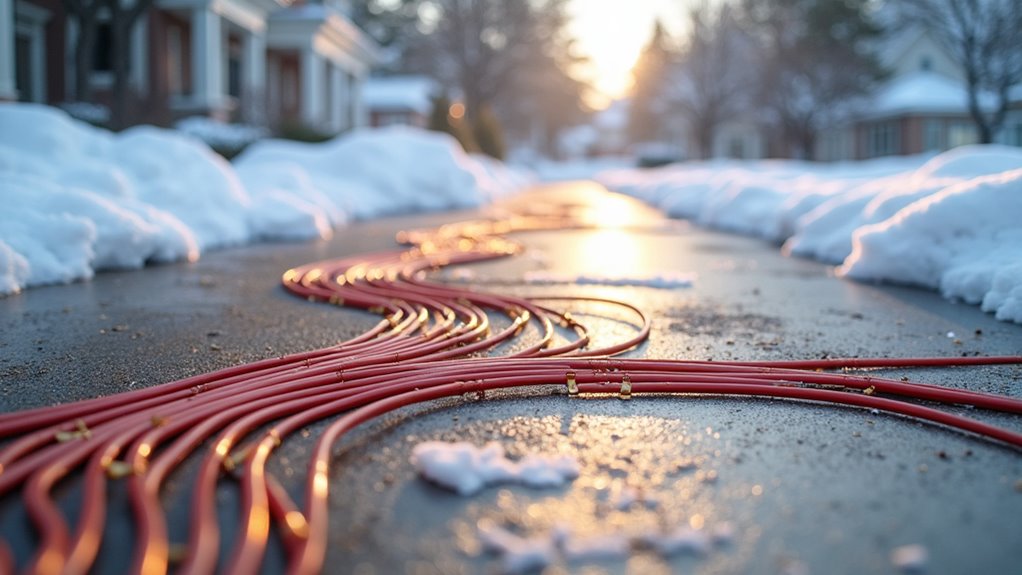
Electric vs. hydronic heated driveways: compare install and winter running costs to find which system saves you more on your driveway.
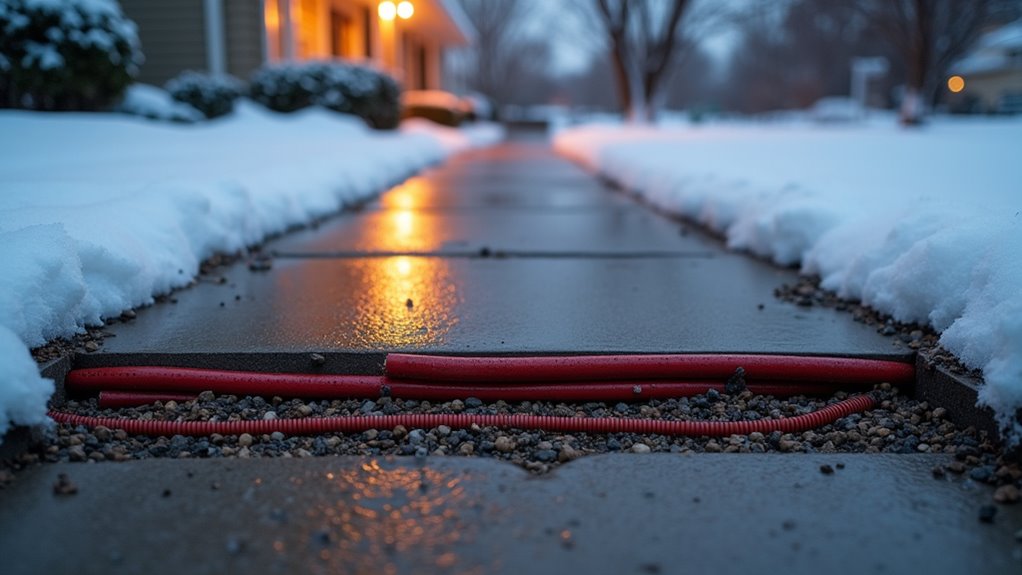
Heated driveway systems use electric cables or hydronic tubing under pavement to melt snow and ice automatically. Learn how they work and what they cost.
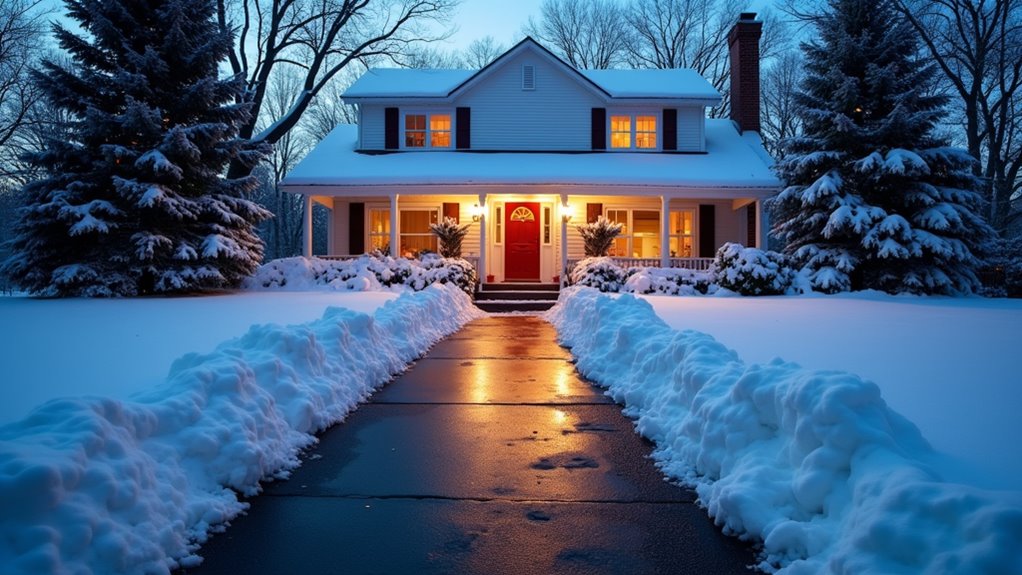
Heated driveways melt snow and ice from below. Compare electric vs. hydronic systems, costs of $8 to $25 per sq ft, sensors, and operating expenses.
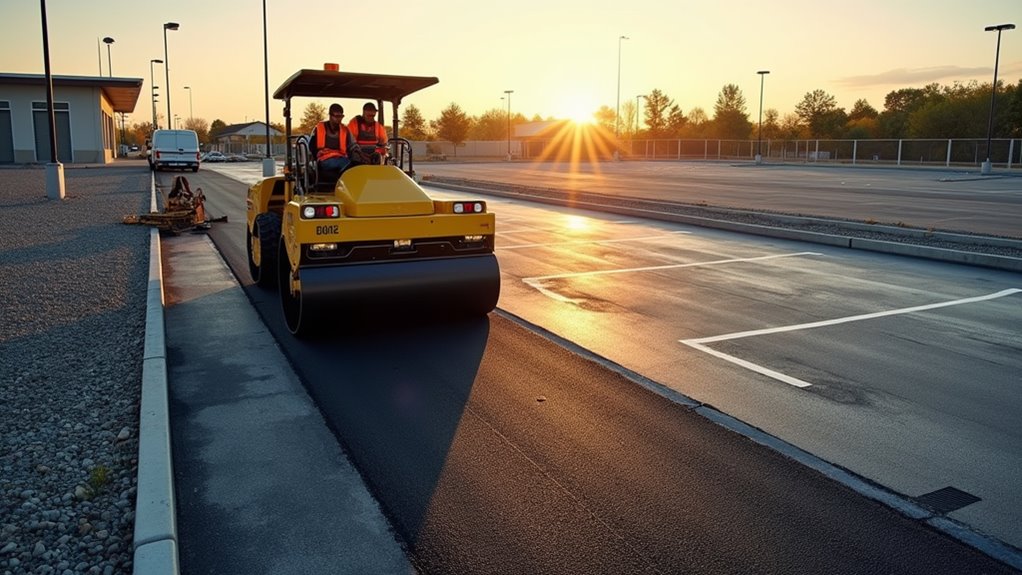
Asphalt parking lot cost runs $2 to $7 per square foot. Learn how asphalt thickness, base depth, soil, drainage, and lot size affect your final price.
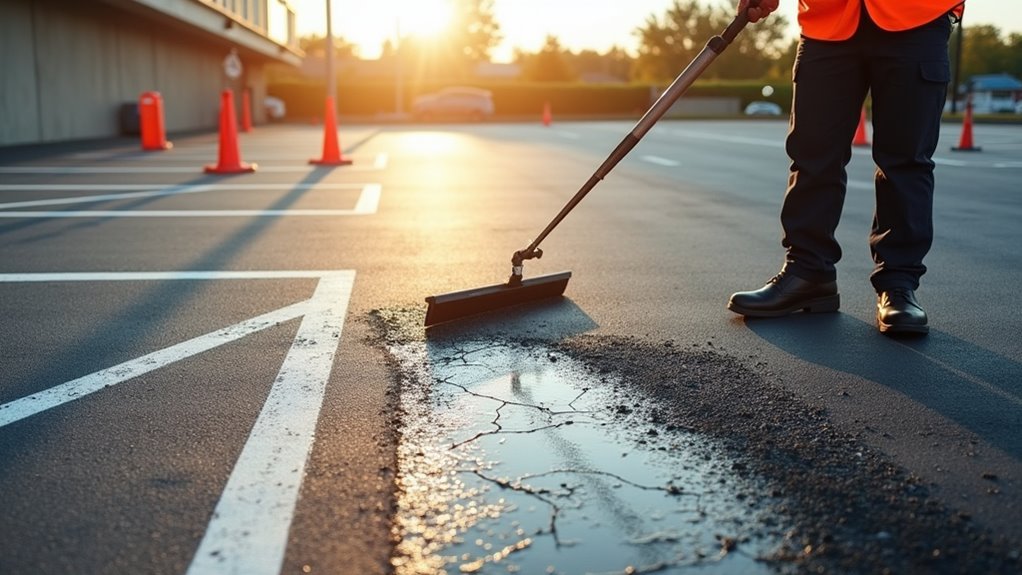
Parking lot maintenance cost: sealcoating runs $0.15 to $0.50 per sq ft. Compare prices for crack sealing, striping, and patching to plan your budget.
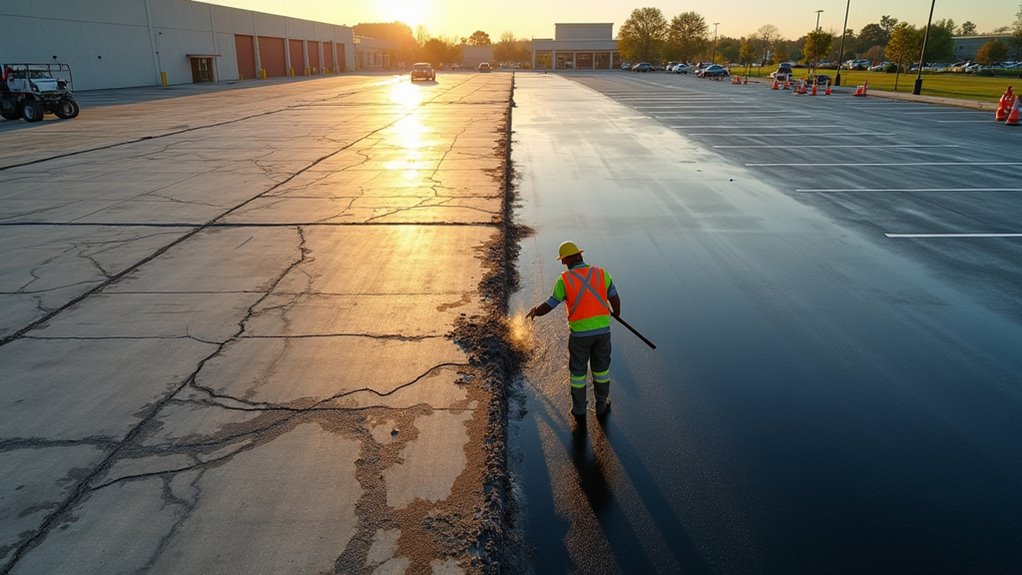
Parking lot restoration extends aging asphalt life by years. Learn how crack sealing, patching, surface treatments, and overlays fit a repair plan.
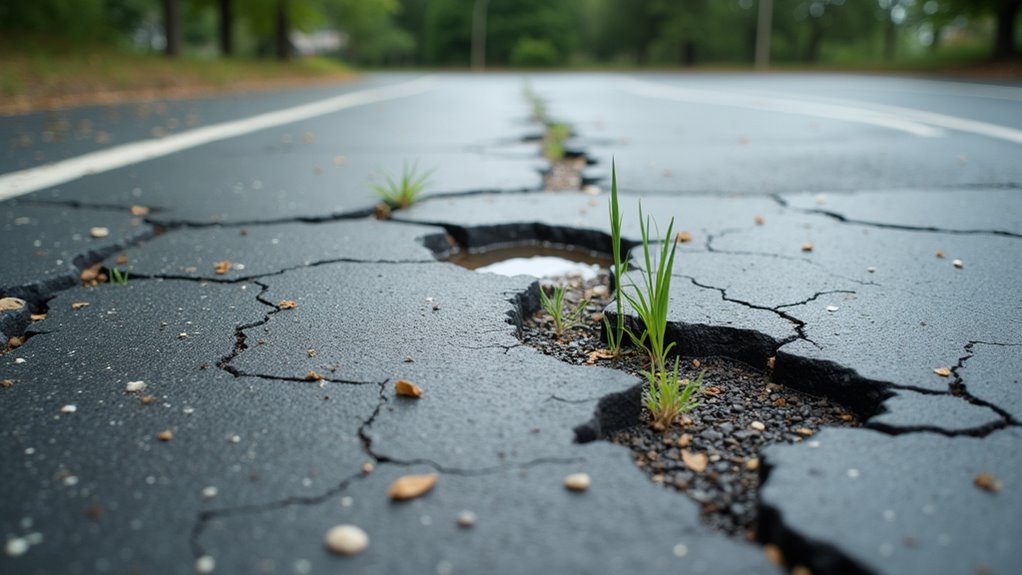
When to repave an asphalt parking lot: once 25 to 30% of the surface shows alligator cracking, potholes, or sinking that an overlay can’t fix.
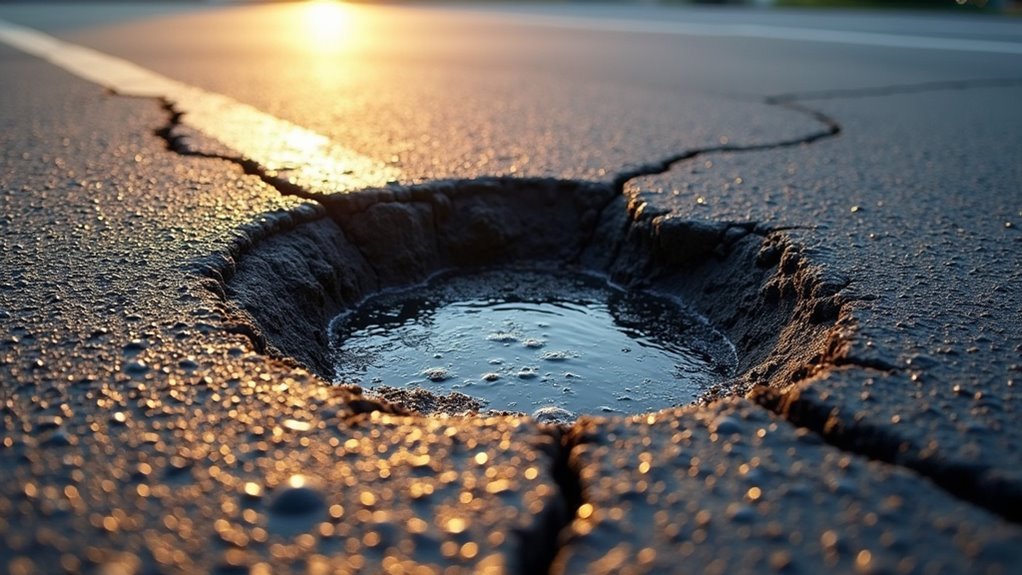
Parking lot patching repairs potholes, crack edges, alligator cracking, rutting, and raveling. Learn when to use partial-depth vs. full-depth repairs.
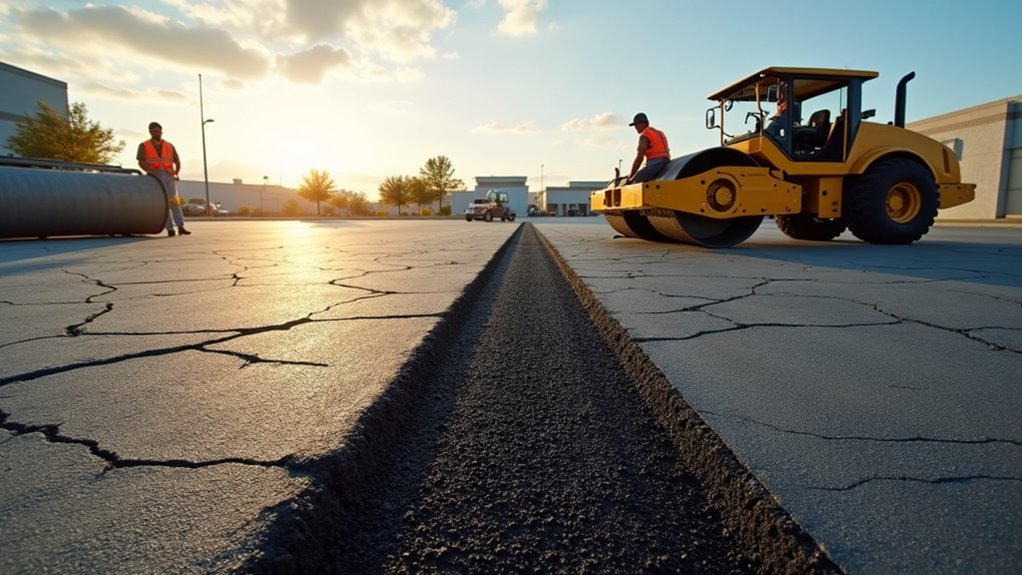
Asphalt parking lot resurfacing costs $1 to $5 per square foot. See what drives your price, from milling and base repairs to striping and drainage.
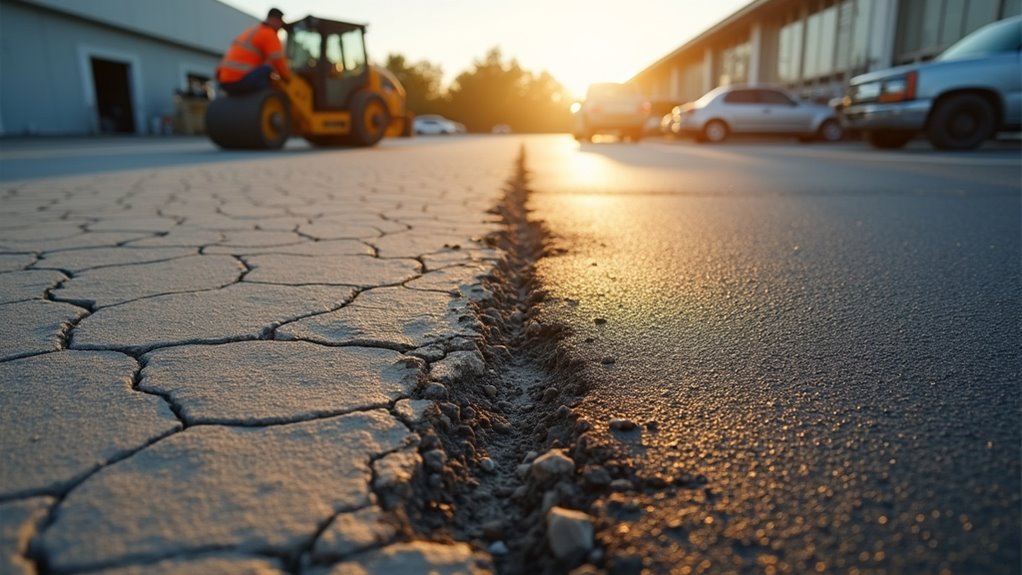
Parking lot repair vs. resurfacing: learn when to patch, overlay, or rebuild based on damage extent, base condition, and cost per square foot.
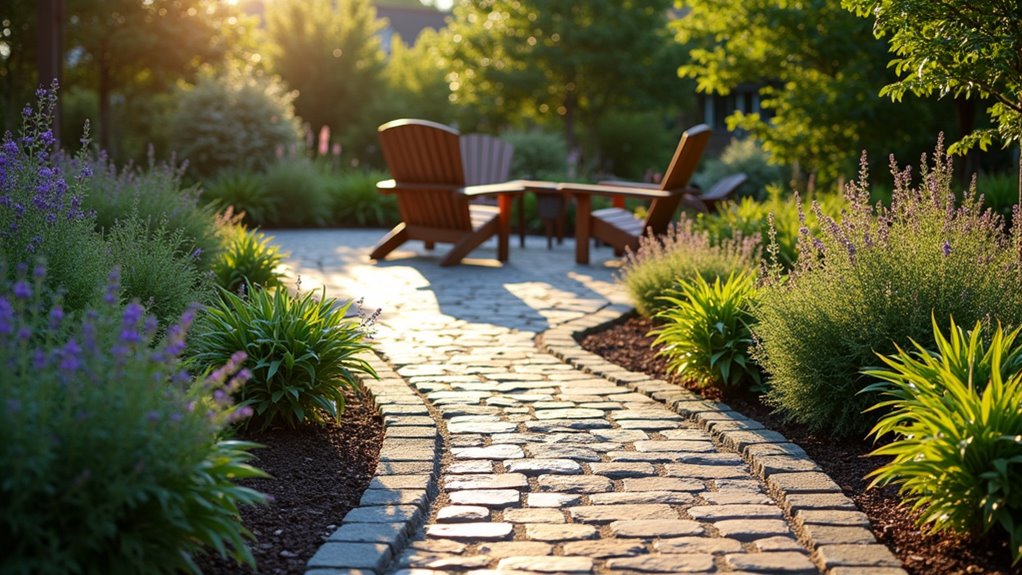
Belgium blocks for walkways, patios, and borders: learn block sizes, layouts, and build steps for durable granite paving that drains properly.
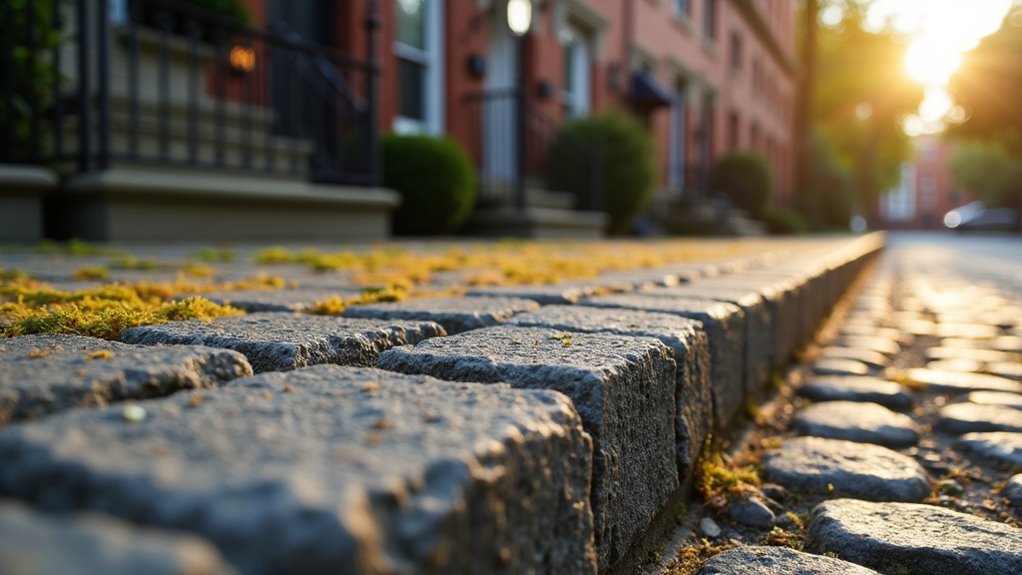
Belgian block curbs protect driveway and walkway edges from crumbling with granite that withstands vehicle traffic and freeze-thaw cycles.