
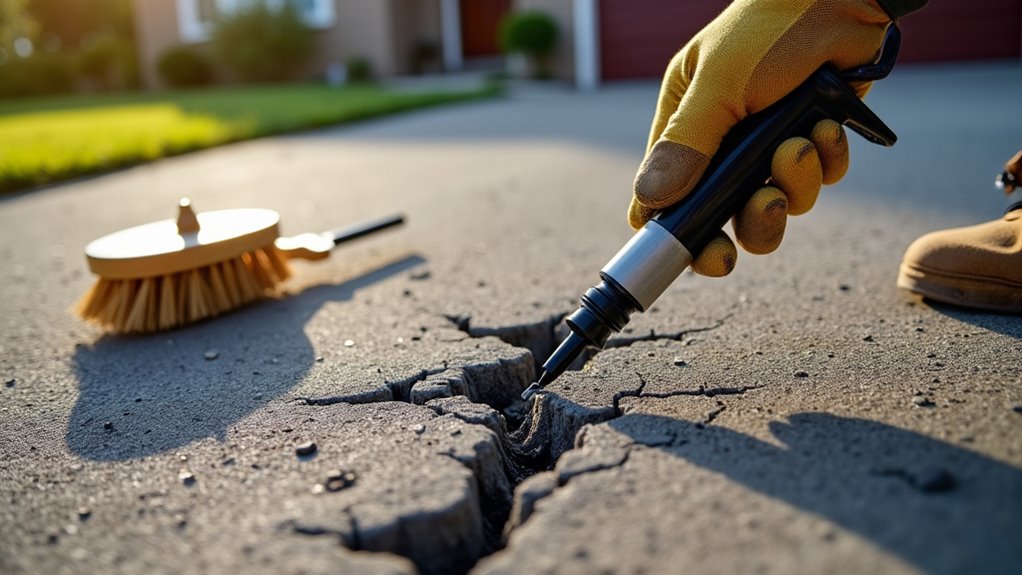
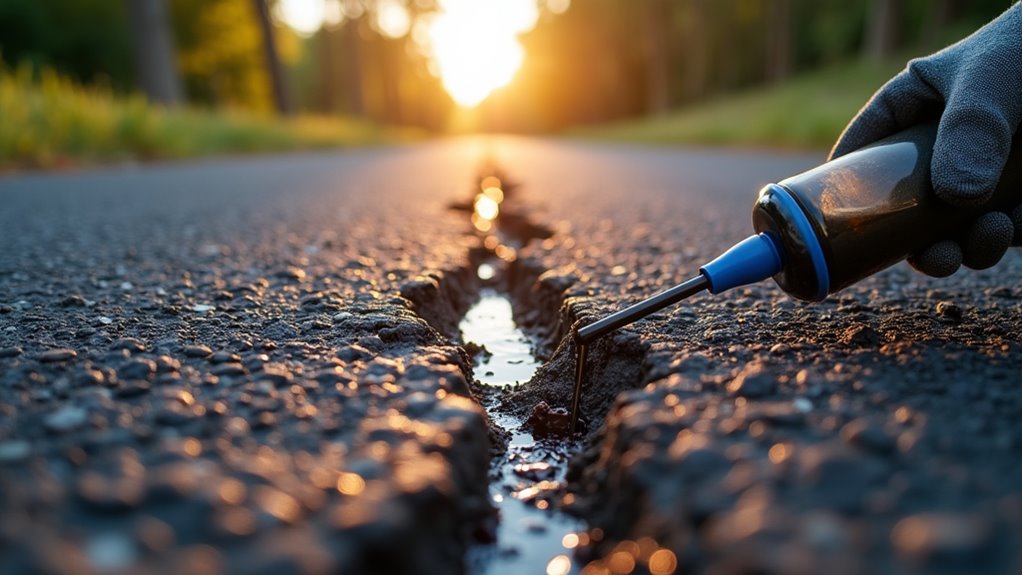
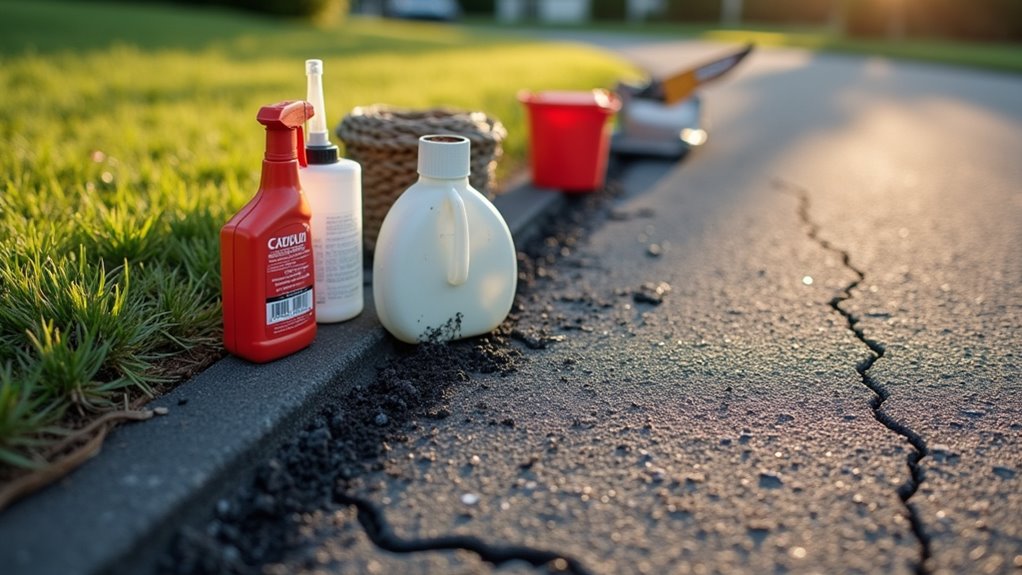

Professional driveway sealcoating takes seven key pieces of equipment: an agitated sealcoat tank, a spray system or squeegee machine, hand squeegees and brushes, blowers and power brooms, a hot air lance, a crack sealing melter, and oil spot primer with traffic barricades. Each one solves a problem that DIY tools can’t. The agitated tank keeps sand and solids mixed so every square foot gets the same coating. The heat lance and melter seal cracks with hot rubberized filler. The spray system lays down an even coat in a fraction of the time. That equipment is the main reason professional sealcoating usually lasts longer than a weekend DIY job.
Key Takeaways
- Professional sealcoating relies on equipment that mixes, cleans, and applies sealer more evenly than hand tools can.
- An agitated tank keeps sand and solids from settling, which gives the coating consistent thickness and traction.
- Crack cleaning and sealing equipment, including a heat lance and a hot rubber melter, is what makes crack repairs last through winter.
- DIY sealing can be done with a squeegee, brush, and buckets, but the results depend heavily on prep and technique.
- Asking a contractor what equipment and sealer they use tells you a lot about the quality of the job.
What Equipment Do Professionals Use to Sealcoat a Driveway
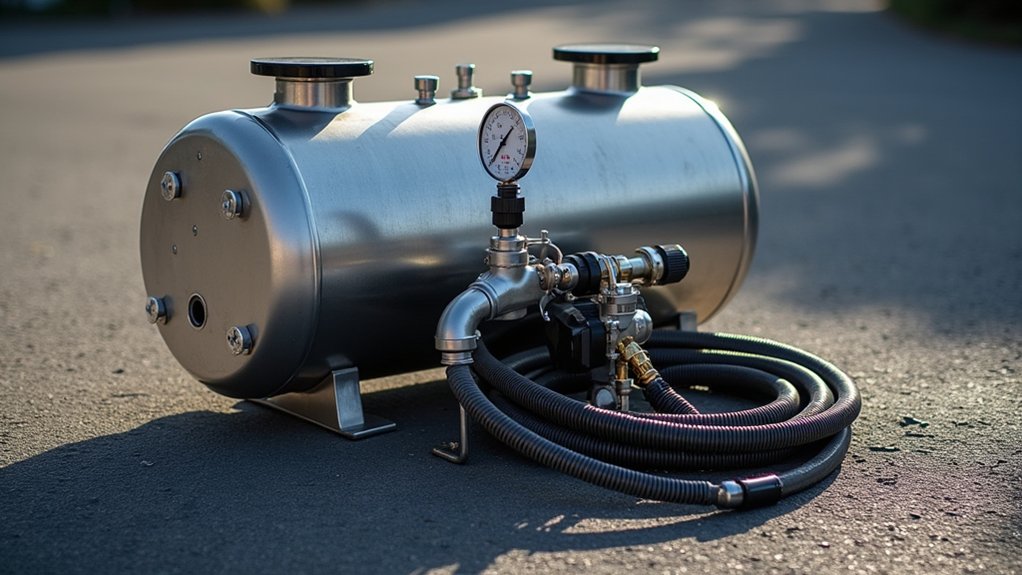
Professionals use equipment for three stages of the job: prepping the surface, repairing cracks, and applying the sealer. Prep and crack work often take longer than the sealcoat itself, and the right tools make the difference between a seal that lasts 2 to 3 years and one that peels in one.
| Equipment | What It Does | Why It Matters for Your Driveway |
|---|---|---|
| Agitated sealcoat tank | Keeps sealer, sand, and additives mixed | Even thickness and traction across the whole driveway |
| Spray system or squeegee machine | Applies sealer quickly and evenly | Consistent coverage without streaks or puddles |
| Hand squeegees and brushes | Work edges, corners, and tight spots | Clean lines along garages, walkways, and lawns |
| Blowers, power brooms, and edgers | Clear dirt, debris, and overgrown edges | Sealer bonds to asphalt, not dust |
| Hot air lance | Blasts out and dries cracks | Crack filler bonds to clean, dry asphalt |
| Crack sealing melter | Heats and applies hot rubberized filler | Flexible crack repairs that move with freeze-thaw |
| Oil primer and barricades | Treat stains and block traffic | Sealer sticks over oil spots and isn’t driven on too soon |
What Are the 7 Must-Have Pieces of Sealcoating Equipment
The seven must-have pieces of sealcoating equipment cover mixing, applying, cleaning, crack repair, and protecting the finished work. Here’s what each one does on a residential driveway.
1. Agitated Sealcoat Tank
An agitated sealcoat tank holds the sealer and keeps it moving with paddles or a recirculating pump. Commercial sealers are mixed with sand, which adds texture and slip resistance. Without constant mixing, the sand and solids sink to the bottom, and the first half of the driveway gets a different coating than the second. Tanks range from small skid units that fit in a pickup bed to trailer-mounted systems for parking lots.
2. Spray System or Squeegee Machine
A spray system pumps sealer from the tank through a hose to a spray wand or nozzle, laying down a thin, even coat quickly. Some crews use a squeegee machine, which spreads and works sealer into the surface in one pass. Both are faster and more consistent than hand work on open areas of a driveway.
3. Hand Squeegees and Sealcoat Brushes
Hand squeegees and sealcoat brushes handle the parts a sprayer can’t reach cleanly: edges along the garage, walkways, curbs, and lawns. Crews usually “cut in” the edges by hand first, then spray or squeegee the open areas. A brush also smooths out lines and pushes sealer into rough, porous spots.
4. Blowers, Power Brooms, and Edgers
Blowers, power brooms, and edgers prepare the surface so sealer bonds to clean asphalt. Edgers cut back grass and soil that have crept over the driveway edges. Power brooms loosen packed dirt. High-powered blowers clear everything off the surface and out of cracks. A dusty driveway is the most common reason sealer peels.
5. Hot Air Lance
A hot air lance, also called a heat lance, blows a jet of high-velocity hot air into cracks. It clears out dirt and debris, dries moisture, and warms the crack walls so filler bonds better. It’s especially useful in Connecticut, where morning dew and damp spring weather can leave moisture in cracks.
6. Crack Sealing Melter
A crack sealing melter heats solid rubberized crack sealant until it can be poured, then applies it through a wand or pour pot. Hot rubberized sealant stays flexible as the pavement expands and contracts, which is why it outlasts cold-pour fillers through freeze-thaw winters. Our crews use hot rubber on cracks 1/4 inch and wider before any sealcoat goes down.
7. Oil Spot Primer and Traffic Barricades
Oil spot primer and traffic barricades handle the two finishing details that decide how the job holds up. Primer goes over oil stains so sealer can bond where it otherwise would peel, which our guide to the best oil stain remover for asphalt driveways explains. Cones, tape, and barricades keep cars off until the sealer is ready. That’s usually 24 to 48 hours, as covered in our guide on how long driveway sealer takes to dry.
How Does Professional Equipment Compare to DIY Sealcoating Tools
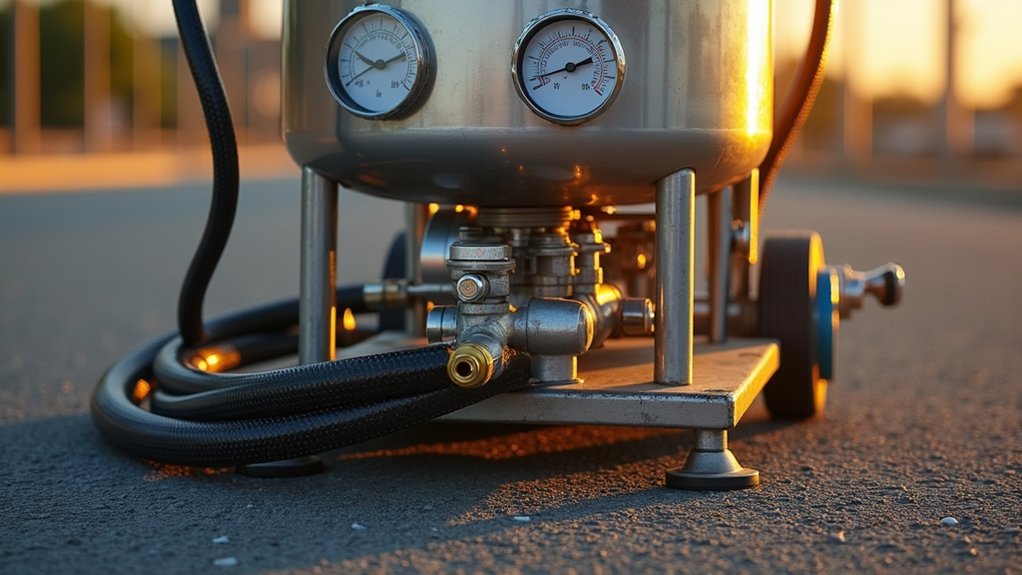
Professional equipment applies commercial sealer more evenly and handles crack repair better than DIY tools. DIY tools can still do a decent job on a small, smooth driveway with careful prep.
| Task | DIY Tools | Professional Equipment |
|---|---|---|
| Mixing sealer | Stirring a bucket by hand | Agitated tank that keeps sand and solids suspended |
| Applying sealer | Squeegee or roller from 5-gallon buckets | Spray system or squeegee machine with even coverage |
| Cleaning cracks | Screwdriver, wire hook, and leaf blower | Hot air lance that cleans and dries |
| Filling cracks | Cold-pour filler from a jug or tube | Hot rubberized sealant from a melter |
| Surface prep | Push broom, hose, and leaf blower | Power broom, edger, and high-powered blower |
| Sealer quality | Retail-grade sealer | Commercial sealer mixed with sand and additives |
When we sealcoat a driveway, we run an agitated tank with sand-mixed sealer, a hot rubber melter, and a heat lance on every job. That’s what lets a crew finish a typical two-car driveway in about 2 to 4 hours of work with consistent results. If you’re planning to do it yourself, read our guide on how to seal a driveway yourself before you buy supplies.
The biggest difference between DIY and professional sealcoating isn’t the sealer. It’s the crack repair and the consistency of the coat.
What Sealcoating Equipment Do You Need to Seal Your Own Driveway
To seal your own driveway, you need a rubber squeegee, a sealcoat brush, a stiff nylon push broom, a leaf blower or hose, crack filler, oil spot primer, and enough sealer for two coats. A drill with a paint-mixing paddle helps stir buckets thoroughly.
- For cleaning: a stiff nylon broom, a leaf blower, and a garden hose or pressure washer at safe settings. Our guide on how to get oil off a driveway covers pressure washing.
- For cracks: a screwdriver or crack hook, a blower, and an asphalt crack filler. See how to repair asphalt yourself.
- For sealing: a squeegee for open areas, a brush for edges, tape or cardboard to protect garage doors and walkways, and cones or rope to block the driveway afterward.
Skip wire brushes and rollers. Wire brushes tear loose stone from asphalt, and rollers tend to leave a thinner coat that wears faster.
How Much Does Sealcoating Equipment Cost
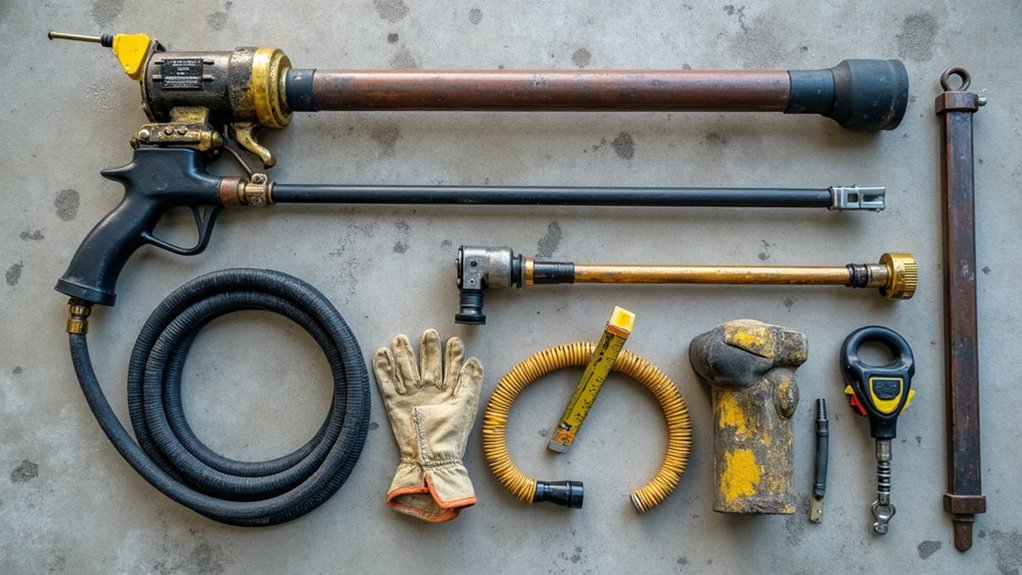
DIY sealcoating tools cost about $50 to $150, not counting sealer. Professional equipment ranges from a few thousand dollars for a small skid unit to well over $10,000 for trailer-mounted spray systems, melters, and heat lances. That investment is part of what you pay for when you hire a contractor. It’s also why professional pricing includes a minimum job charge.
For most homeowners, renting or buying professional equipment for a single driveway doesn’t make sense. Our driveway sealcoating cost guide compares DIY and professional prices. Our guide on whether driveway sealcoating is worth it covers the long-term payoff.
What Should You Ask a Sealcoating Contractor About Their Equipment
You should ask a sealcoating contractor what sealer they use, whether their tank is agitated, and how they fill cracks. The answers tell you how the job will hold up.
- What type of sealer do you use, and do you mix in sand?
- Is your tank agitated, so the mix stays consistent?
- Do you use hot rubberized crack filler, and do you clean cracks with a heat lance or blower?
- How do you treat oil stains before sealing?
- Do you apply one coat or two, and do you spray, squeegee, or both?
- How long should I keep cars off afterward?
A contractor who answers these clearly and puts the details in a written estimate is usually one who does the prep work right.
Get Professional Sealcoating With the Right Equipment
The right equipment, sealer, and crack repair are what make a sealcoat last through Connecticut winters. V&F Paving cleans, crack-seals, and sealcoats driveways with professional equipment through its driveway sealcoating services. Call (203) 624-2449 or request a free estimate to discuss your driveway’s condition, crack repair, and sealcoating schedule.
Frequently Asked Questions
Does Spray Sealcoating Last as Long as Squeegee Application?
Yes, when it’s applied at the right thickness. Spray application gives a very even coat and works well on smooth or newer asphalt. Squeegee application pushes sealer deeper into rough, porous surfaces. On older driveways, many crews squeegee the first coat and spray the second. The prep work and the number of coats matter more than the application method.
Can You Rent Sealcoating Equipment?
Some equipment rental shops carry small sealcoat sprayers, crack fillers, and power brooms, but professional agitated tanks, melters, and heat lances are hard to find for rent. For a single residential driveway, most homeowners either use hand tools and retail sealer or hire a contractor. Renting heavy equipment rarely saves money on a one-time job.
Why Do Contractors Add Sand to Sealcoat?
Contractors add sand to sealcoat to give the finished surface texture and traction, especially on slopes and in wet or icy weather. Sand also adds body to the coating and helps it resist wear. It has to stay evenly mixed, which is why professional tanks are agitated. Most retail sealers don’t contain sand, so DIY coats are usually smoother and slicker.
What Is a Hot Air Lance Used For in Sealcoating?
A hot air lance cleans and dries cracks before they’re filled. It blasts out dirt, loose stone, and moisture, and warms the crack walls so hot rubberized sealant bonds tightly. Filling a damp or dirty crack is one of the main reasons crack repairs pop out after winter, so a heat lance is standard on professional crack sealing jobs.
How Long Does It Take a Crew to Sealcoat a Driveway?
A professional crew can usually sealcoat a standard two-car driveway in about 2 to 4 hours of work, including cleaning, crack filling, and application. Larger driveways or ones that need patching take longer. After the crew leaves, plan on keeping cars off for 24 to 48 hours while the sealer dries.