


Your crack’s width decides it. Pli-Stix fits ½- to 1-inch cracks and comes in 30-foot packs. Crack-Stix suits ¼- to ½-inch cracks, comes in 65-foot packs, and runs about $0.61 per foot. You’ll find Crack-Stix easier to apply, and it self-levels once melted. Both need a clean crack, the right rope diameter, and steady heat to bond well. Durability depends on how you install them, and there’s more to weigh before you buy.
Key Takeaways
- Pli-Stix suits cracks ½ to 1 inch wide, while Crack-Stix works best for narrower cracks around ¼ to ½ inch.
- Crack-Stix offers 65 feet for about $0.61 per foot, versus Pli-Stix’s 30-foot package, favoring Crack-Stix for longer runs.
- Reviews rate Crack-Stix easier for DIY application, as it self-levels after melting, while Pli-Stix requires firm packing.
- Neither product has independent testing proving long-term durability; “permanent” claims come from manufacturers.
- Longevity depends mostly on installation: thorough crack cleaning, correct rope diameter, and complete heat bonding to crack sidewalls.
Which is better for asphalt cracks, Pli-Stix or Crack-Stix
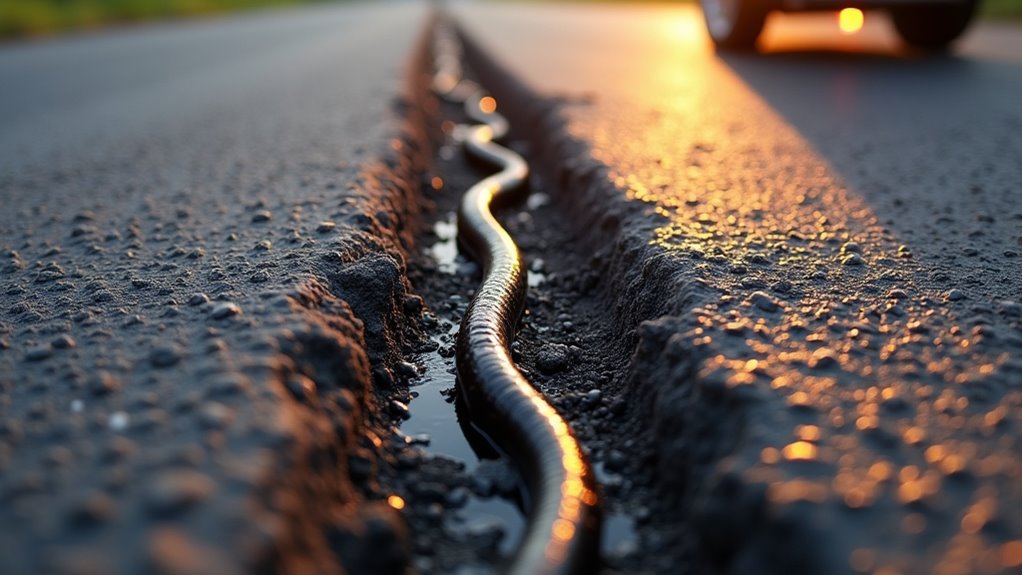
Pli-Stix is better for cracks ½ to 1 inch wide, and Crack-Stix is better for cracks closer to ¼, ½ inch.
Crack dimensions matter more than branding in choosing between them. Both asphalt crack repair products are heat-applied ropes you pack into a clean crack and melt with a torch or heat gun.
Choose Pli-Stix when you’re filling deeper, wider cracks and a 30-foot package covers the job. Pick Crack-Stix when you need more material. Lowe’s lists 65 feet for $39.87, and it’s rated easier to install.
Either driveway crack filler handles foot traffic in roughly 20 to 30 minutes. Measure width and depth, compare cost per linear foot, and treat durability claims as unverified manufacturer marketing.
How do Pli-Stix and Crack-Stix compare
Pli-Stix and Crack-Stix both work by pressing a rope into a cleaned crack and melting it with a torch or heat gun, but they differ in sizing, coverage, and handling. Neither needs a commercial 200-gallon melter.
| Factor | Pli-Stix | Crack-Stix |
|---|---|---|
| Crack width | ½, 1 inch (medium) | ¼, ½ inch (½-inch rope) |
| Package length | 30 feet | 65 feet |
| Ease of use | Difficult | Moderately difficult |
Expect foot traffic in about 20 minutes with either product, though one review reports 30 minutes for Crack-Stix. Crack-Stix’s elastomeric, weather-resistant claims come from the manufacturer, not independent testing. Lowe’s lists the 65-foot pack at $39.87, so check current pricing. Measure your crack width and total run before buying, then compare cost per linear foot and confirm rope diameter.
How does each product go into the crack
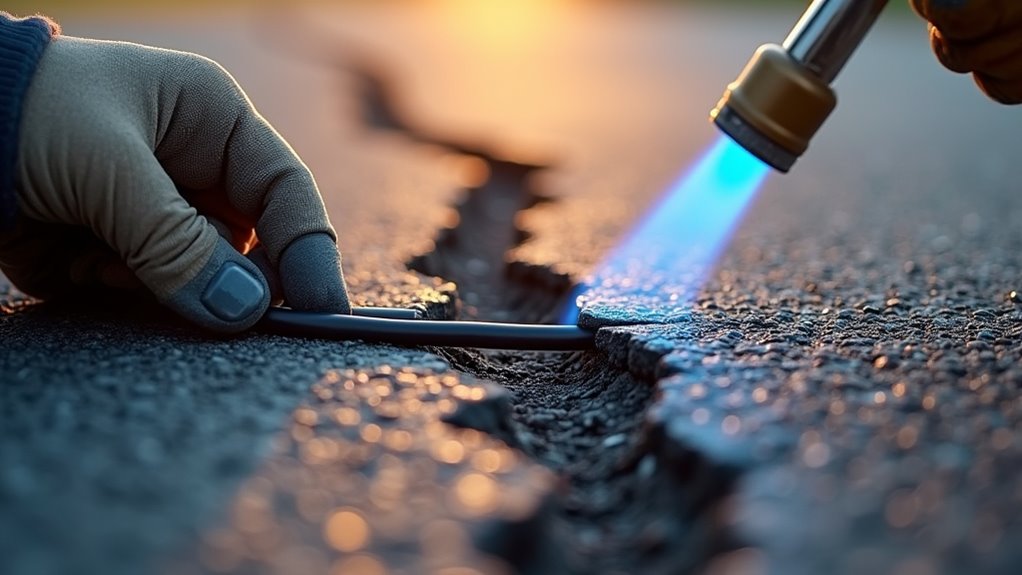
Both ropes go in cold and melt in place, but the steps differ slightly. With Pli-Stix, you clean the crack first, removing dirt, weeds, and loose debris. Then you pack the rope firmly into the gap and melt it with a household torch or heat gun. Reviewers rate this process difficult, so expect some practice before your passes look even.
Crack-Stix follows a similar path: you insert the rope into the crack cavity, then heat it directly. Its manufacturer describes the melted material as self-leveling, which should help it settle evenly. Reviewers call it only moderately difficult.
Neither product needs a commercial 200-gallon melter. Still, you’ll need steady heat control and careful placement, because uneven heating or overfilled cracks leave weak, messy repairs.
How well does each hold up over time
Neither product has independent proof of how long it lasts, because no test compares their lifespan under matched pavement and weather conditions. Both brands market their ropes as permanent-style repairs, and the durability details come from the manufacturers:
No independent test proves how long either rope lasts. Their “permanent” durability claims come straight from the manufacturers.
- Crack-Stix is elastomeric and bonds to crack sidewalls to help block moisture intrusion.
- Its maker claims low-temperature ductility, weather resistance, low oxidation breakdown, and non-tracking performance.
- Pli-Stix is described as flexible, waterproof, and suitable for deep cracks up to 1 inch.
Treat these as manufacturer descriptions, not proven results. Staying bonded through freeze-thaw cycles and summer heat depends heavily on installation. You’ll get the longest service from either product by cleaning the crack thoroughly, matching rope size to crack width, and heating it fully so it bonds. Inspect it again each spring.
Which is easier to apply yourself
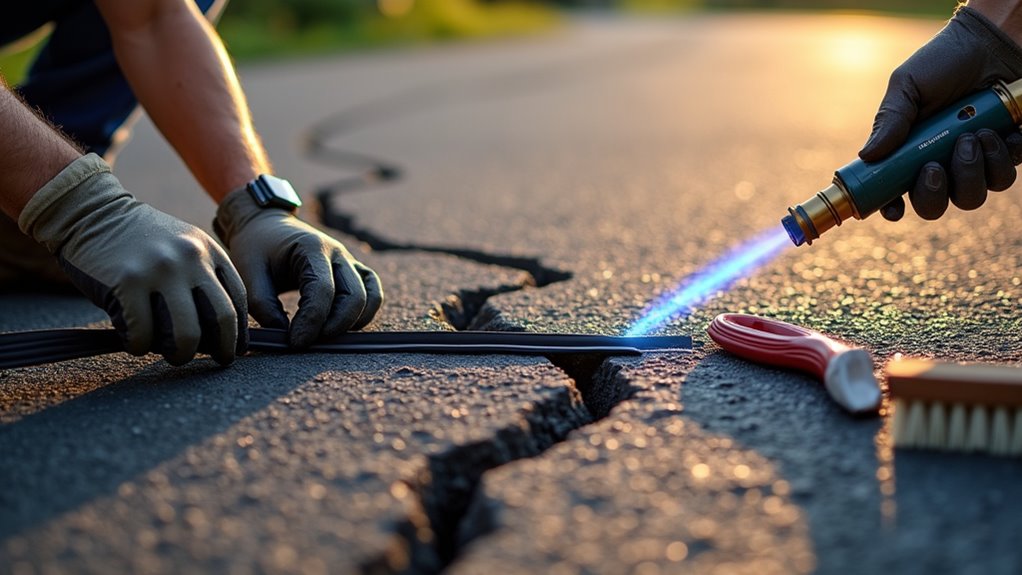
Reviews rate Crack-Stix as easier to apply yourself than Pli-Stix, and neither product needs a commercial melter, so you can install both with a household propane torch or heat gun.
With Pli-Stix, you clean the crack, pack the rope in, then melt it in place. Reviewers call the process difficult, likely because you’re working the rope into wider ½, 1-inch cracks and must heat it evenly.
Crack-Stix earns a “moderately difficult” rating. You insert the rope into the crack cavity and heat it directly, and the manufacturer says the melted material self-levels, which can reduce smoothing work.
Either way, you’ll need patience with the flame. Clean thoroughly, place the rope carefully, and avoid overheating surrounding asphalt. If you’re new to heat application, start with a short test section before tackling the run.
Which gives the better value
Crack-Stix gives the better value by linear foot, with more material per package. The Lowe’s listing provides 65 feet for $39.87, or about $0.61 per foot, and the reviewed Pli-Stix package covers only 30 feet. Run these checks:
Crack-Stix delivers more footage per package: 65 feet for $39.87, about $0.61 per foot, versus Pli-Stix’s 30 feet.
- Divide the current price by package length; retailer prices change.
- Crack-Stix’s 125-foot ½-inch pack lists at $89.49, roughly $0.72 per foot.
- Its 250-foot ¼-inch pack runs $124.49, about $0.50 per foot.
- Match rope diameter to crack width, or you’ll waste material.
- Buy smaller packs for short repairs to limit leftovers.
Don’t treat cheaper footage as automatic savings. If your cracks run ½, 1 inch wide, Pli-Stix’s sizing may fit better, so 30 feet could cover your job without excess. Price out your actual crack length first.
Which one is the better buy for the job
Neither rope wins outright. The better buy depends on your crack’s width first and price per foot second. Measure the crack’s width and depth before you buy. If it runs ½ to 1 inch wide and you’ve got under 30 feet to fill, Pli-Stix’s medium rope is the logical pick. Expect a tougher install, though. Reviewers rate it noticeably harder to use than Crack-Stix.
For cracks around ¼ to ½ inch, or longer runs, Crack-Stix makes more sense. Its 65-foot package covers more ground, and you can step up to 125- or 250-foot packs for driveways with extensive cracking. Treat its flexibility and weather claims as manufacturer statements, not proven advantages. Match diameter, footage, and your own comfort working with a torch.
Get a More Lasting Solution for Repeated Cracks
DIY crack products can be useful for small repairs, but recurring or widening cracks may need professional attention. V&F Paving offers asphalt crack filling and maintenance for residential and commercial surfaces across Connecticut. If the same cracks keep coming back, call (203) 624-2449 or request an evaluation.
Frequently Asked Questions
Can Pli-Stix or Crack-Stix Be Used on Concrete Driveways?
Before you torch anything on concrete, check each manufacturer’s label for concrete approval. If you find it, match the rope to your crack: Pli-Stix medium handles roughly ½, 1 inch, while Crack-Stix’s ½-inch rope fits about ¼, ½ inch. Always clean the crack thoroughly, pack the rope, heat carefully, and follow the package instructions exactly.
What Is the Best Temperature or Weather for Applying Crack-Filler Rope?
You’ll get the best results when you clean the crack thoroughly, pack the rope firmly, and heat it evenly with a household torch or heat gun. Ambient conditions, heating, and cooling all affect how quickly it’s traffic-ready, so you’ll want to follow the manufacturer’s weather guidance before you start.
Should Cracks Be Filled Before Sealcoating an Asphalt Driveway?
Yes, you’ll want to fill cracks before you sealcoat. Clean each crack, pack in the rope, and melt it with a torch or heat gun so it bonds to the sidewalls. Let it cool fully; sources cite roughly 20 to 30 minutes before traffic, but check your package for sealcoat timing. Sealcoat alone won’t bridge open cracks, so skipping this step lets water keep undermining your driveway and the base beneath it.
How Deep Can a Crack Be Before Needing Backer Material?
Once a crack runs deeper than about 1 inch, you’ll want backer rod first. That’s the depth one review lists as Pli-Stix’s limit, but no firm industry cutoff applies. Pack foam rod down until you’ve left roughly ½ inch for filler, then heat the rope in. You’ll save material and avoid sunken repairs. Check the product’s directions, since manufacturers set their own depth limits before you buy.
Can These Rope Fillers Repair Potholes or Alligator-Cracked Asphalt?
No, you shouldn’t use either rope filler for potholes or alligator-cracked asphalt. They’re designed for individual linear cracks: Crack-Stix’s ½-inch rope fits roughly ¼, ½-inch cracks, and medium Pli-Stix handles about ½, 1 inch. Potholes need cold patch or hot-mix asphalt, and alligator cracking usually signals base failure that you’ll need to cut out and patch. You can then seal isolated cracks around the repaired area once the new patch cures fully.