
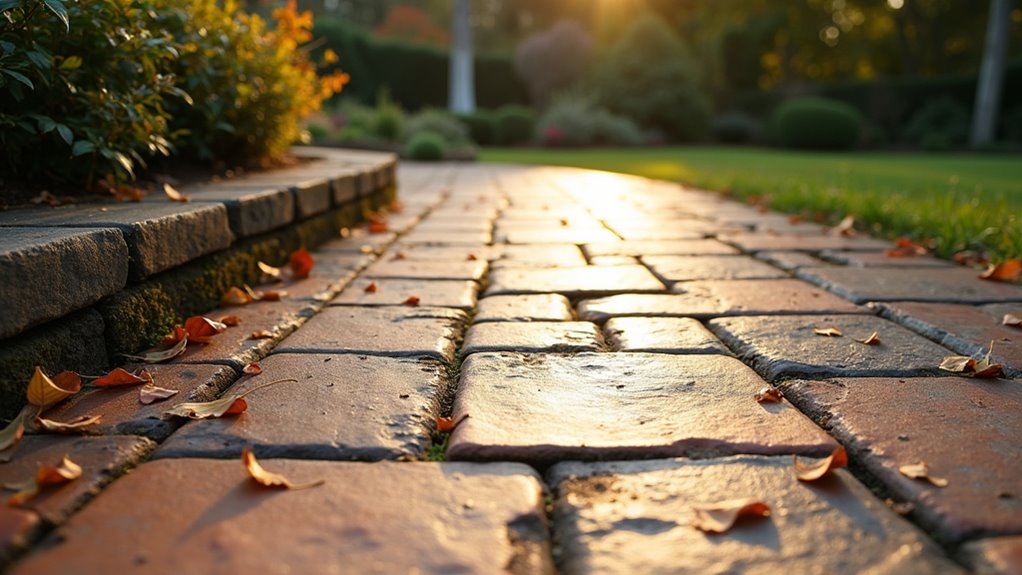
Stamped concrete gives you the look of stone, brick, or wood without the high price of natural materials. It’s one continuous slab, so you won’t deal with shifting units or weeds in the joints. With good installation, it can last 25+ years. But you’ll need to reseal it every 2 to 5 years, cracks can still appear, and repairs rarely match perfectly. Before you commit, it helps to know how costs and pavers compare.
Key Takeaways
- Stamped concrete mimics stone, brick, or wood and can last 25+ years with proper installation and maintenance.
- It costs more than plain concrete, and pattern complexity, multiple colors, borders, and site preparation raise the price further.
- Sealer protects against water, stains, and deicing chemicals but must be reapplied every 2 to 5 years.
- Cracks can still develop over time, and repairs rarely match the original color and pattern perfectly.
- Unlike pavers or natural stone, stamped concrete is one continuous slab, so damaged sections can’t be swapped out individually.
What are the pros and cons of stamped concrete
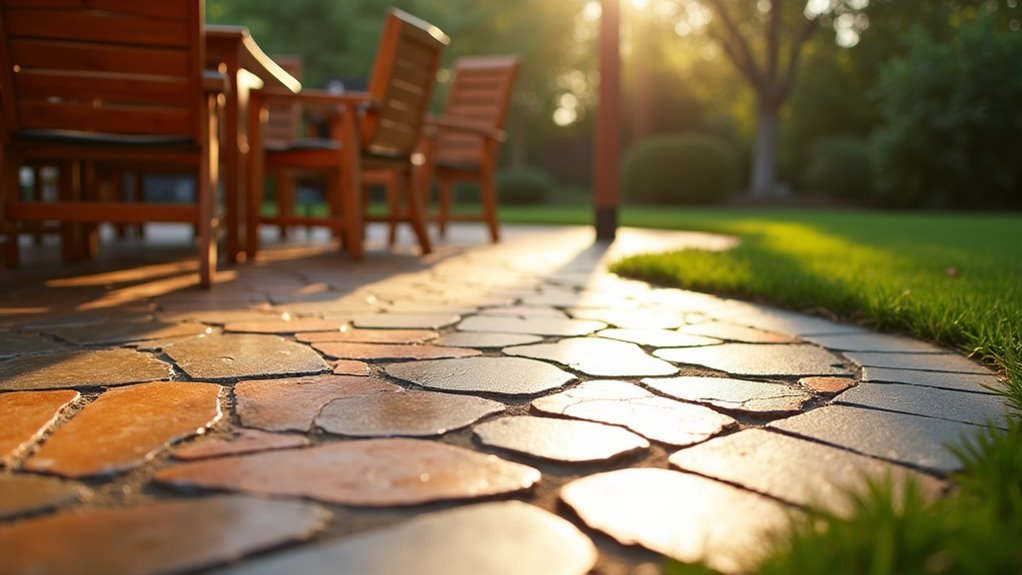
Stamped concrete offers broad pattern and color options, a continuous surface without joints between units, a service life of 25 years or more with proper installation and maintenance, and a lower cost than natural stone, but it costs more than plain concrete, demands skilled timing during installation, and needs resealing every two to five years. It gives you the look of stone, brick, slate, or wood without paying for the real thing, though it isn’t a no-compromise choice.
Cracks can still appear, and repairs rarely blend perfectly. Weighing these stamped concrete pros and cons honestly helps you decide: is stamped concrete worth it for your specific project?
How do the benefits and drawbacks of stamped concrete stack up
Stamped concrete trades a decorative appearance and long lifespan for ongoing upkeep and limited repair options.
| Benefit | Drawback |
|---|---|
| Mimics stone, brick, or wood | Costs more than plain concrete |
| Lasts 25+ years with proper care | Needs resealing every 2 to 5 years |
| Creates a continuous, joint-free surface | Cracks and patches are hard to hide |
The main disadvantages of stamped concrete show up over time: sealer wears, and repairs rarely blend with the original color and pattern. If you’re comfortable with periodic maintenance and want a decorative look without paver prices, the pros and cons of stamped concrete tip in its favor. If you’d rather replace individual damaged units, pavers or natural stone will serve you better over the long term.
What are the main benefits to expect
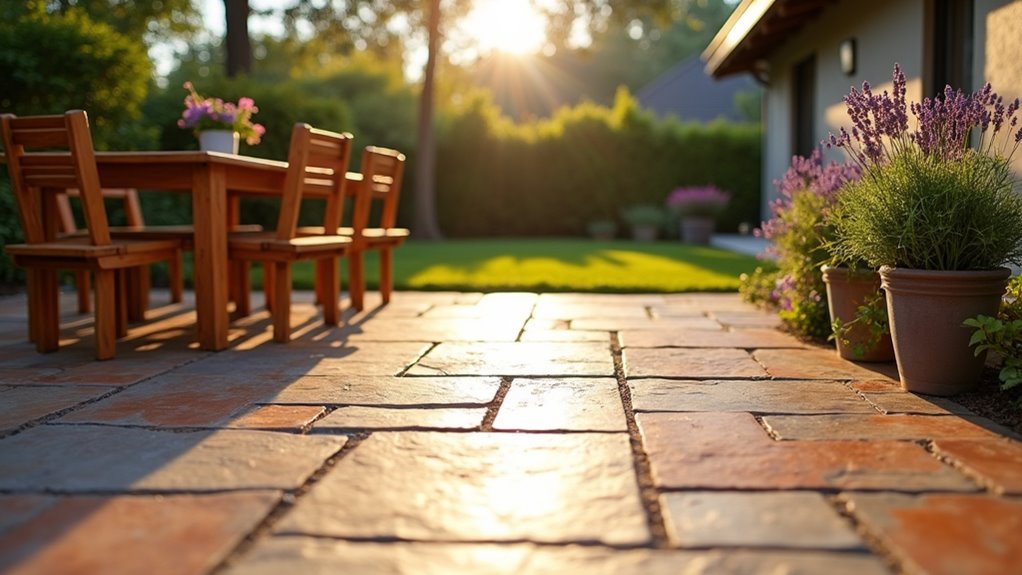
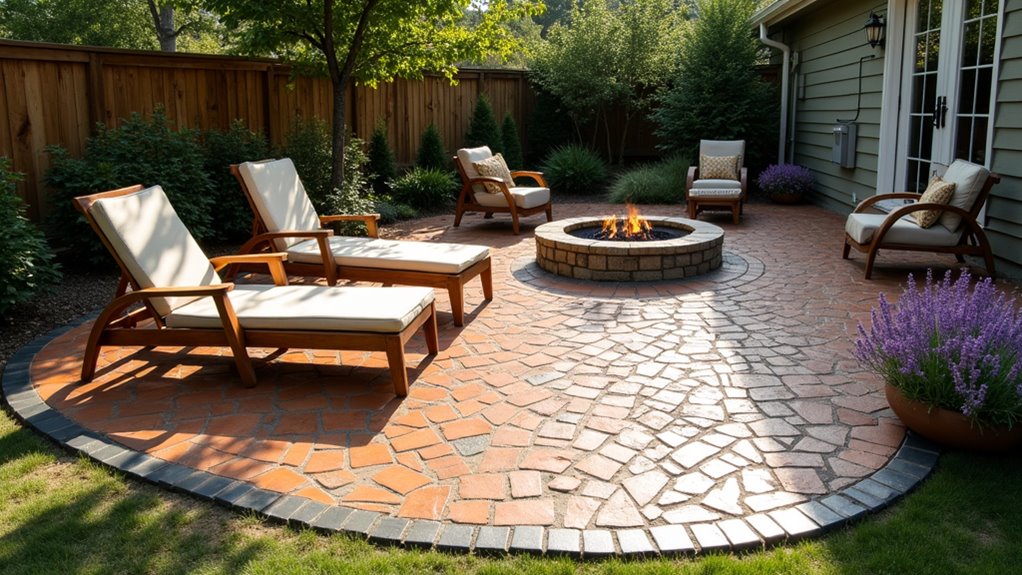
Stamped concrete’s main benefits are its appearance, lower cost than natural materials, a continuous surface, long service life, and built-in sealer protection. Looks usually come first. You get the appearance of stone, brick, slate, tile, or wood without laying individual units, and you can choose from a wide range of patterns, colors, borders, and textures.
- Lower cost than the real thing: You can mimic premium paving for less, though savings depend on your design and location.
- A continuous surface: You won’t have separate pavers or sand-filled joints to manage.
- Long service life: With proper installation and maintenance, you can expect about 25 years or more.
- Built-in protection: Sealer guards against water, stains, and deicing chemicals while deepening color.
Those benefits hold only when your contractor handles subgrade, mix, curing, and control joints correctly. Ask about each before you sign a contract.
What are the biggest disadvantages to weigh
The biggest disadvantages for most projects are higher upfront cost, unforgiving installation, cracking that’s hard to hide, and ongoing resealing. You’ll usually pay more than for plain concrete because coloring, stamping, and finishing add labor and materials, and complex patterns, borders, or multiple colors push the price higher.
Installation leaves little room for error. Your crew must press the stamps while the concrete’s still workable, and weather shortens that window. Once the slab hardens, imprinting mistakes are tough and costly to fix.
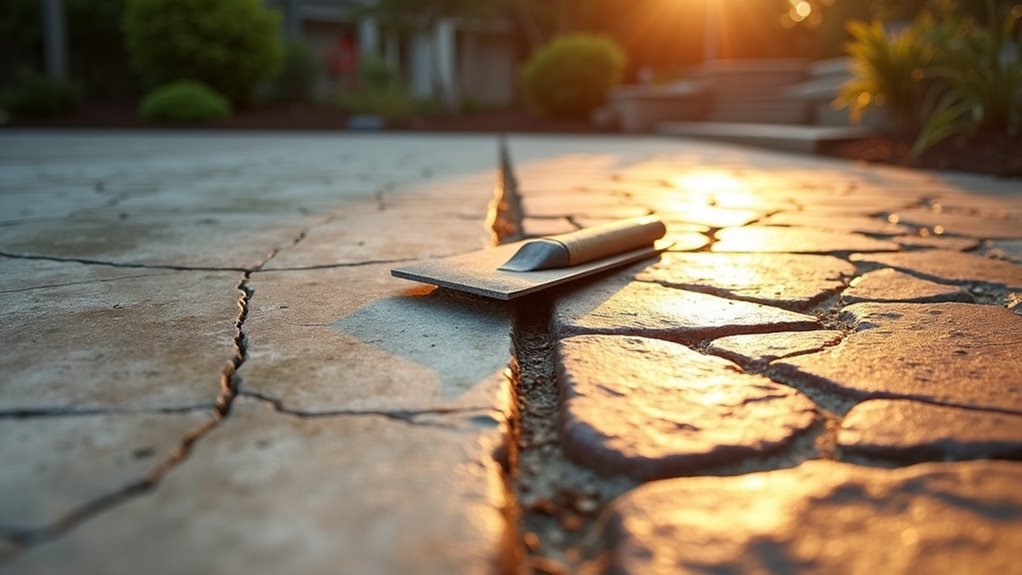
Even a well-built slab can crack, and repairs rarely match the original color and pattern perfectly.
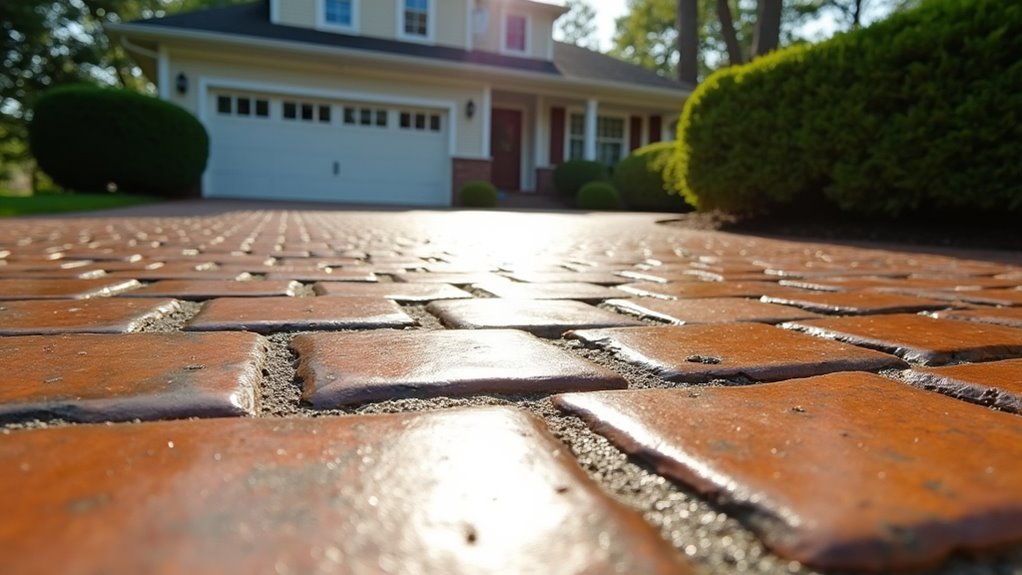
You’ll also need to reseal every two to five years, depending on traffic and climate, and over-sealing can create buildup you’ll have to strip before recoating.
What price range does it fall into
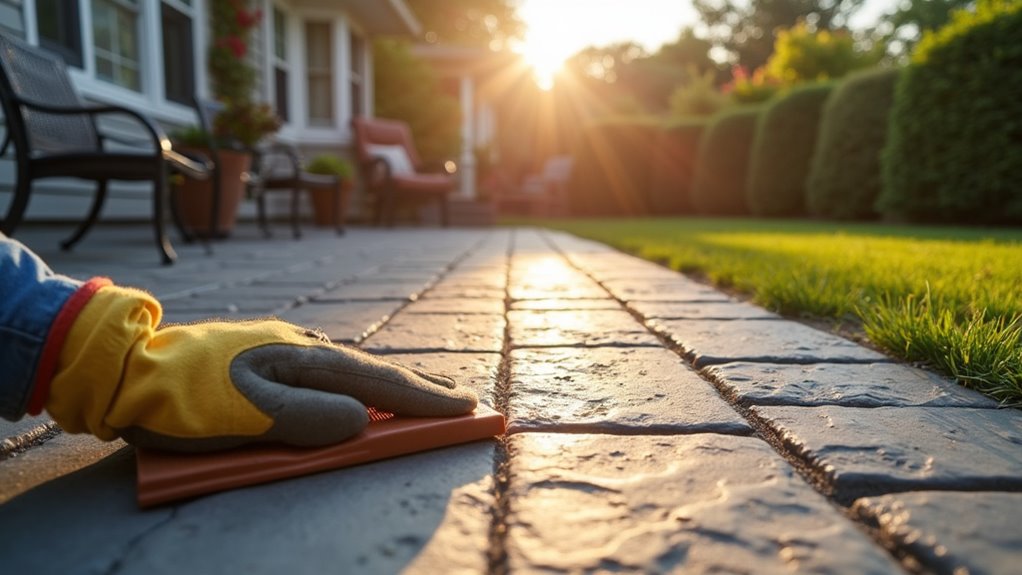
Stamped concrete falls in the mid-range, costing more than plain concrete but often less than natural stone or other premium paving. Coloring, stamping, and finishing add labor and materials, and quotes vary widely by location and site conditions.
Stamped concrete sits in the mid-range, pricier than plain concrete but often cheaper than natural stone, with quotes varying by location.
These factors push your price up or down:
- Pattern complexity: Intricate designs take more time and skill to imprint.
- Color choices: Multiple colors and custom detailing raise material and labor costs.
- Borders and accents: Decorative edges add work beyond the main field.
- Site preparation: Poor soil, slopes, or access issues increase base work.
Request itemized bids, and don’t compare them on installation price alone. Factor in resealing every two to five years and possible crack repairs, then weigh that total against pavers or stone before you commit.
How does it compare to pavers and natural stone
Stamped concrete is one continuous slab, while pavers and natural stone are many individual pieces, and that difference drives the trade-off. Stamped concrete gives you the look of stone, brick, or slate without separate units and joints, often at a lower installed cost than the materials it imitates, though savings vary by design and location. That continuity cuts both ways. If a section cracks or gets damaged, you can’t just swap out one piece, and patches may not match the surrounding color and pattern. Pavers and natural stone let you replace individual units when that matters most to you. You’ll also need to plan for resealing stamped concrete every few years. Compare total installed quotes side by side, and factor in future maintenance and repairs, not just the upfront price.
Is stamped concrete the right choice for you
Stamped concrete is the right choice if you want a continuous decorative surface and you’re comfortable resealing it every two to five years, depending on traffic, climate, and sealer condition. If you’d rather replace individual units after damage, pavers may suit you better. To evaluate it:
- Compare total installed quotes against plain concrete, pavers, and natural stone, including future maintenance.
- Ask contractors about subgrade preparation, concrete mix, curing, control-joint placement, and sealing specifications.
- Request completed project examples using your proposed pattern, color, and finish.
- Get cracking, color variation, and repair responsibilities written into the scope.
No installer can guarantee a crack-free slab, and patches rarely blend perfectly. If you can accept that tradeoff, you’ll get a durable, attractive surface that can last 25 years or more.
See if Stamped Concrete Fits Your Outdoor Space
Stamped concrete can add texture and visual detail to patios, walkways, and driveways while still providing a durable paved surface. V&F Paving installs residential concrete, patios, walkways, and stamped concrete for Connecticut homeowners. Call (203) 624-2449 or contact V&F Paving to discuss your project ideas.
Frequently Asked Questions
How Often Should Stamped Concrete Be Resealed?
You’ll typically reseal stamped concrete every two to five years, but don’t just follow the calendar. Heavy traffic, harsh climate, and deicing salts wear sealer faster. Watch for peeling, fading, discoloration, or water that soaks in instead of beading. Those signs tell you it’s time. Don’t reseal too early, though. Extra coats build up, and you may have to strip them first. Always check your sealer’s product guidance before recoating.
Is Stamped Concrete Slippery When Wet?
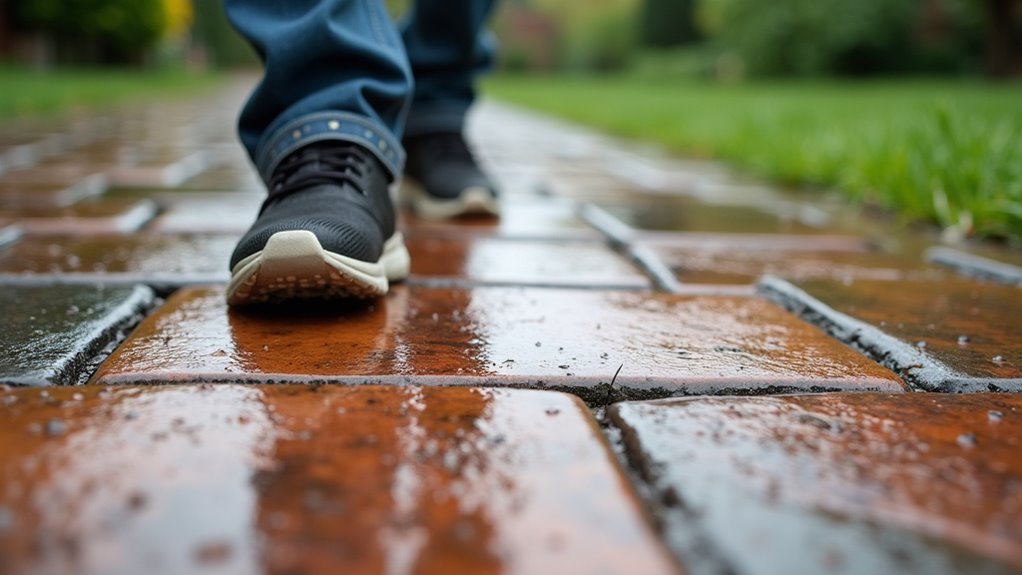
It can be, especially if you choose a smooth or glossy finish. Sealer type and finish affect slip resistance, so think carefully about pool decks, steps, or spots that stay wet. Textured patterns usually give you better traction than smooth surfaces, but don’t assume texture alone solves it. Ask your contractor how they’ll finish and seal it, then judge the surface for your intended use before you commit.
Can Stamped Concrete Withstand Freeze-Thaw Cycles and Deicing Salts?
Yes, it can, but only if you plan for winter. You’ll need a concrete mix and installation details suited to your local freeze-thaw conditions, plus good drainage and a sound sealer. Deicing salts can wear down sealer faster and contribute to surface scaling, so check the product’s winter-care guidance before you salt. Inspect the sealer regularly and reseal when you notice wear or lost water repellency. Don’t skip that step.
Can Cracks in Stamped Concrete Be Repaired Without Visible Patches?
Not always. You can repair cracks, but you’ll rarely get a perfectly invisible patch, because matching the original color and stamped pattern is tough. How well a repair blends depends on the damage and the method your contractor uses. To limit risk, ask them about base preparation, curing, and control-joint placement that follows the pattern. Before you sign, confirm in writing how they’ll handle cracking, color variation, and repairs upfront.
What Is the Best Way to Clean Stamped Concrete?
Sweep it regularly, then wash it with mild detergent and water. That simple routine covers most of your regular day-to-day care. While you’re cleaning, check the sealer: if it’s worn, peeling, discolored, or no longer repels water, you’ll need to reseal based on wear and product guidance. In winter, don’t assume any deicer is safe; salts can wear down sealer and scale the surface, so verify what your product allows.