


To choose the right driveway material, you’ll need to weigh cost, longevity, maintenance, and climate compatibility. Gravel starts at $1.25 per square foot but requires regular regrading, while concrete ($4–$20/sq ft) lasts 25–50 years with minimal upkeep. Asphalt handles freeze-thaw cycles well, and cobblestone delivers up to 100 years of service. You should also factor in drainage slope, load requirements, and HOA restrictions. Below, you’ll find a detailed breakdown of each option’s performance trade-offs.
Compare Driveway Material Costs Per Square Foot
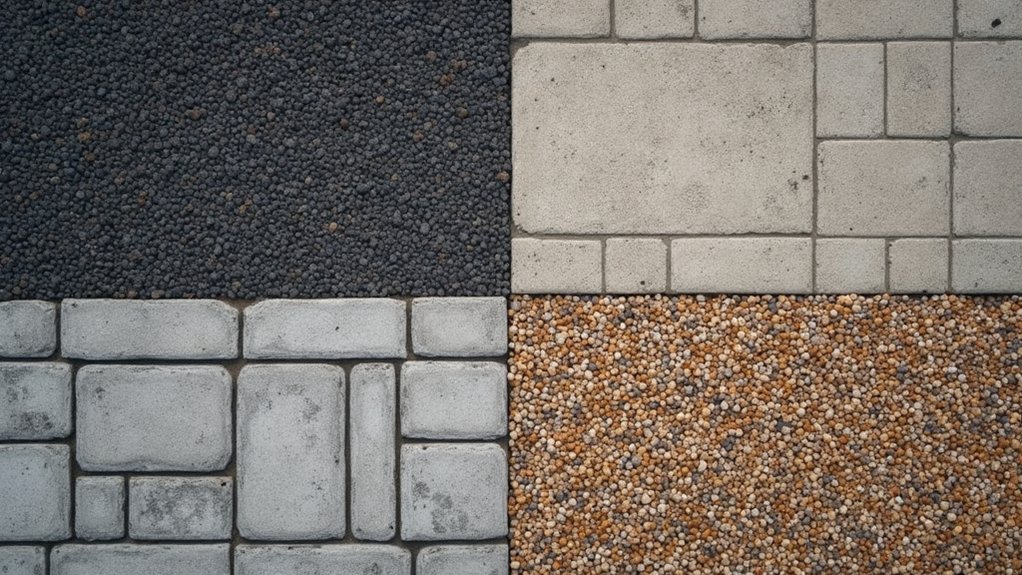
Five primary material categories define the residential driveway market, and their per-square-foot costs span a wide range—from under $1 to over $60. In any driveway material comparison, you’ll find gravel at $1.25–$2, tar and chip at $1–$5, asphalt at $7–$15, concrete at $4–$20, and pavers or stone at $10–$70. Your driveway cost vs durability analysis should account for total project expenses: gravel averages $1,800–$3,500, asphalt runs approximately $5,258, and concrete reaches $6,400. Permeable pavers hit $10–$70 per square foot, while cobblestone costs $18–$50. Shell remains the cheapest option at $0.50–$4. You’ll want to weigh these figures against labor rates—asphalt labor runs $5–$7, concrete $2–$10—before committing to a material. Keep in mind that regional pricing varies significantly, with Northeast costs typically running 10–20% higher than national averages. Brick falls in the mid-to-upper range at $10 to $30 per square foot but is valued for its longevity and ability to add property value. Concrete repair costs range from $3 to $25 per square foot, whereas asphalt repairs come in at a much more budget-friendly $1 to $5 per square foot depending on severity.
Which Driveway Materials Last the Longest?
When you’re comparing driveway materials for longevity, cobblestone and brick pavers lead the field—cobblestone can last up to a century, while brick pavers average 50–100 years with proper installation. Concrete follows with a 25–50 year service life, and asphalt trails at 15–30 years, though its lower upfront cost offsets the shorter lifespan. You’ll want to weigh these durability benchmarks against each material’s maintenance demands, since resealing asphalt every 2–4 years and replenishing gravel periodically can erode the savings you gained at installation.
Top Durable Material Picks
Driveway longevity depends directly on material selection, and the performance gap between options spans decades. When you evaluate driveway durability factors, you’ll find brick pavers and black locust wood lead with 50–100+ year lifespans. Permeable pavers follow at 25–75+ years, handling 6,500–8,000 PSI loads while resisting freeze-thaw damage.
In any driveway lifespan comparison, concrete delivers 25–30 years with air-entrained mixtures at 4–6 inch thickness, exceeding 40 years under ideal conditions. Asphalt sits at 15–20 years with proper sealing cycles.
You should match material choice to your load requirements and climate. Brick pavers resist 800 PSI pressure and outperform concrete over multiple decades. Black locust offers 1,700 lbf hardness with natural rot resistance, eliminating chemical treatment costs. Permeable pavers flex under stress without structural failure.
Longevity Versus Maintenance Costs
Knowing which materials outlast others only matters if you’ve factored in what it costs to keep them performing at that level. When you evaluate longevity versus maintenance costs, concrete’s 30–40 year lifespan demands minimal upkeep, while asphalt’s 20–30 years requires consistent seal coating cycles. Understanding driveway maintenance requirements prevents budget surprises.
| Material | Lifespan vs. Maintenance Profile |
|---|---|
| Concrete | 30–40 years; joint sealing every 5–10 years |
| Asphalt | 20–30 years; seal coating every 3–5 years |
| Pavers | 25–50 years; minimal replacement needs |
| Chip Seal | 10–20 years; resurfacing every 7–10 years |
Pavers deliver the strongest cost-to-longevity ratio, routinely exceeding 40 years with independent unit expansion handling freeze-thaw stress that cracks rigid surfaces.
Low-Maintenance vs High-Maintenance Driveway Options
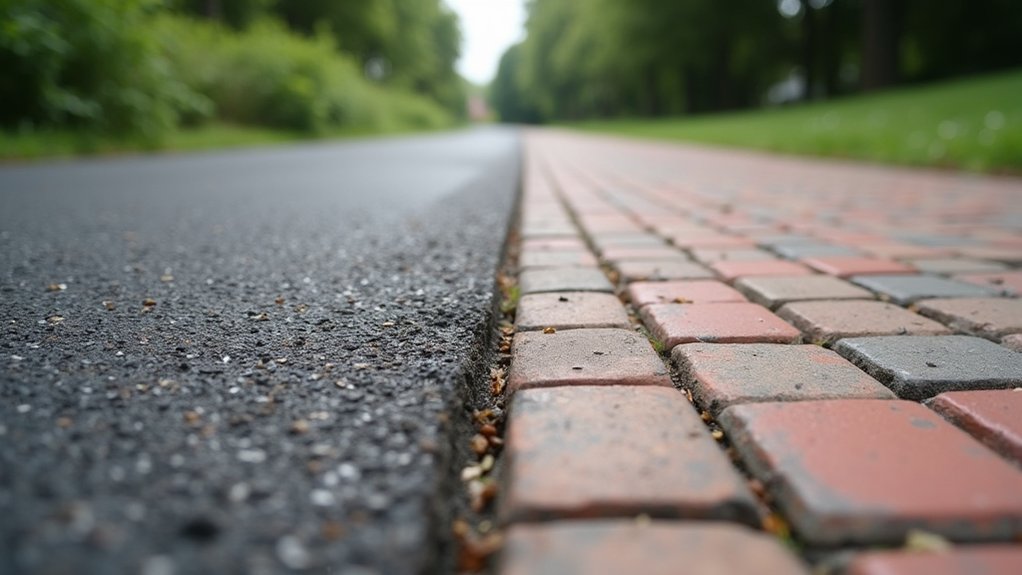
Every driveway material falls somewhere on a maintenance spectrum, and understanding where each one lands directly affects your long-term costs and time investment. When evaluating low-maintenance vs high-maintenance driveway options, resin-bound surfaces and pavers rank lowest in upkeep—requiring only occasional pressure washing or joint re-sanding. Concrete demands annual cleaning and sealing every five years, placing it mid-range.
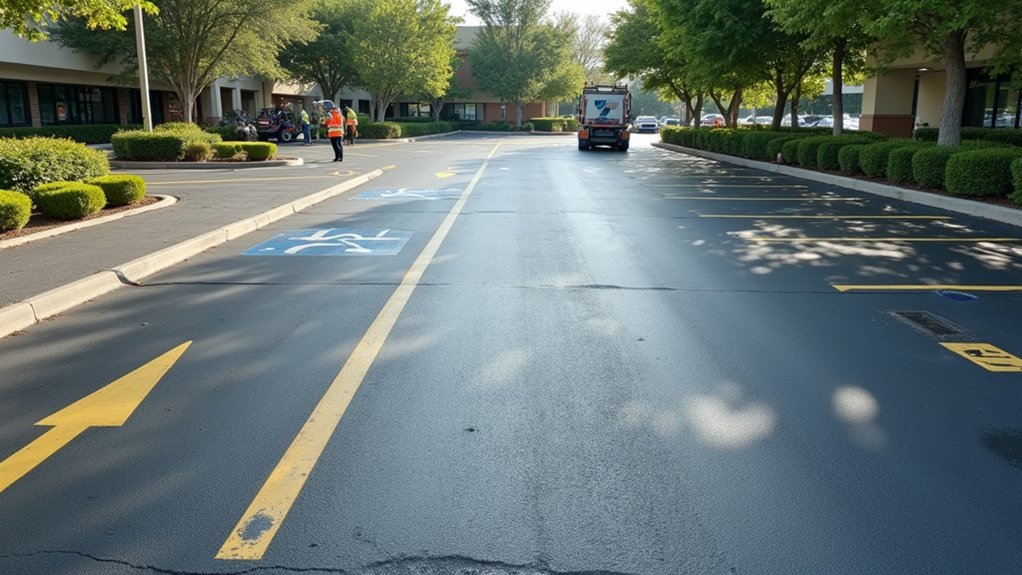
Asphalt and gravel sit at the high-maintenance end. You’ll reseal asphalt every two to three years and regrade gravel regularly to prevent ruts and displacement. Your driveway material selection should weigh these recurring demands against installation costs. Gravel’s low upfront price loses its advantage if you’re constantly replenishing aggregate, while pavers’ higher initial investment delivers decades of minimal intervention.
Which Driveway Holds Up Best in Your Climate?
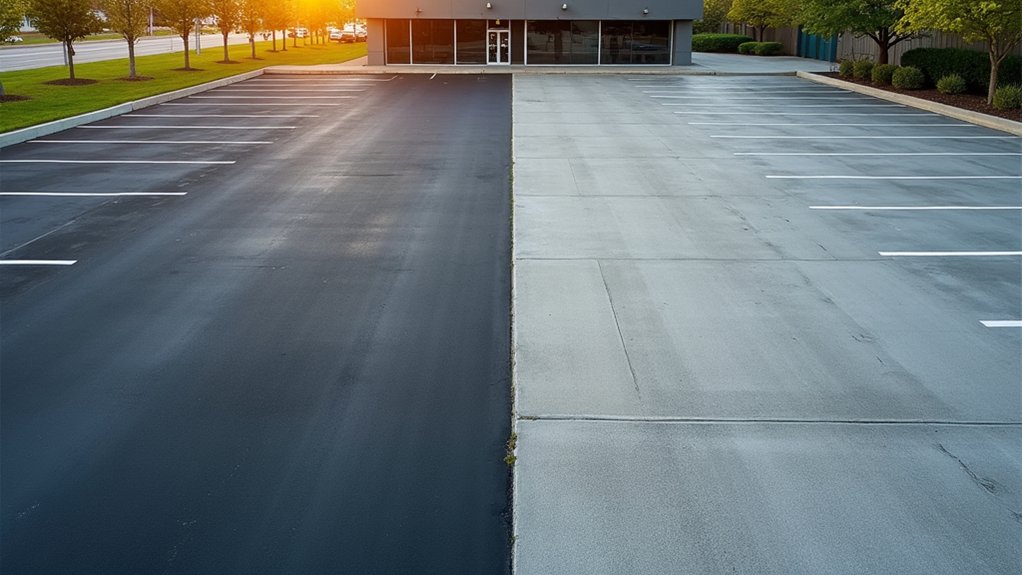
How well your driveway performs over the next two decades depends largely on matching your material to your region’s dominant weather patterns. In cold climates, asphalt’s flexibility resists freeze-thaw cycling, though it turns brittle below 50°F. Concrete cracks without air-entrained additives in these conditions.
In warm regions, concrete maintains structural stability where asphalt softens above 152°F, causing rutting under load. Concrete’s 30–40 year lifespan outperforms asphalt’s 20–30 years in heat-dominant environments.
For wet climates, asphalt provides water resistance and non-slip traction, while permeable pavers filter runoff effectively. Coastal environments demand granite-based gravel or brick pavers rated at 800 PSI to resist salt corrosion.
Understanding the climate impact on driveway materials guarantees your driveway design considerations account for region-specific stressors before installation begins.
Which Driveway Materials Drain Water Best?
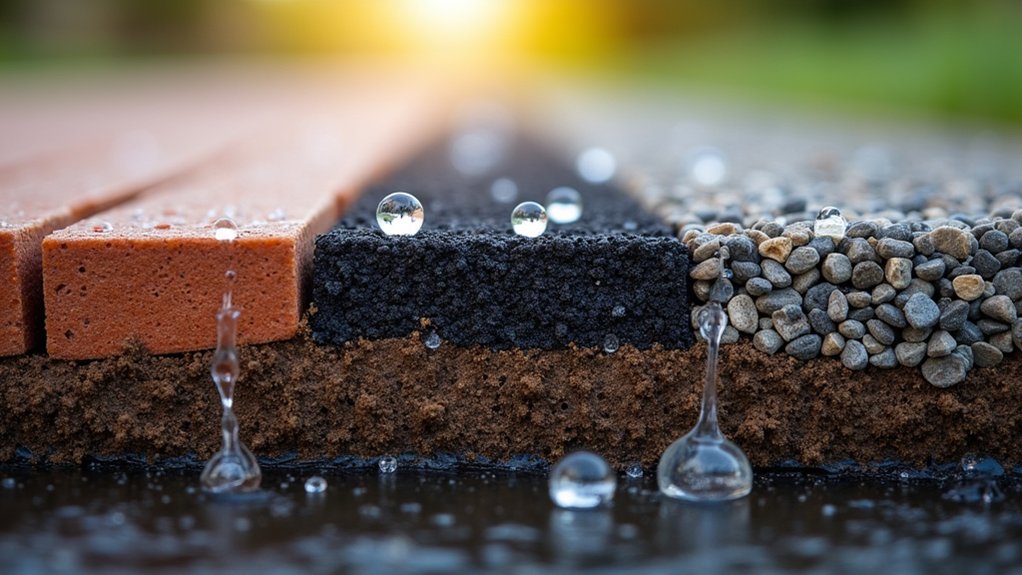
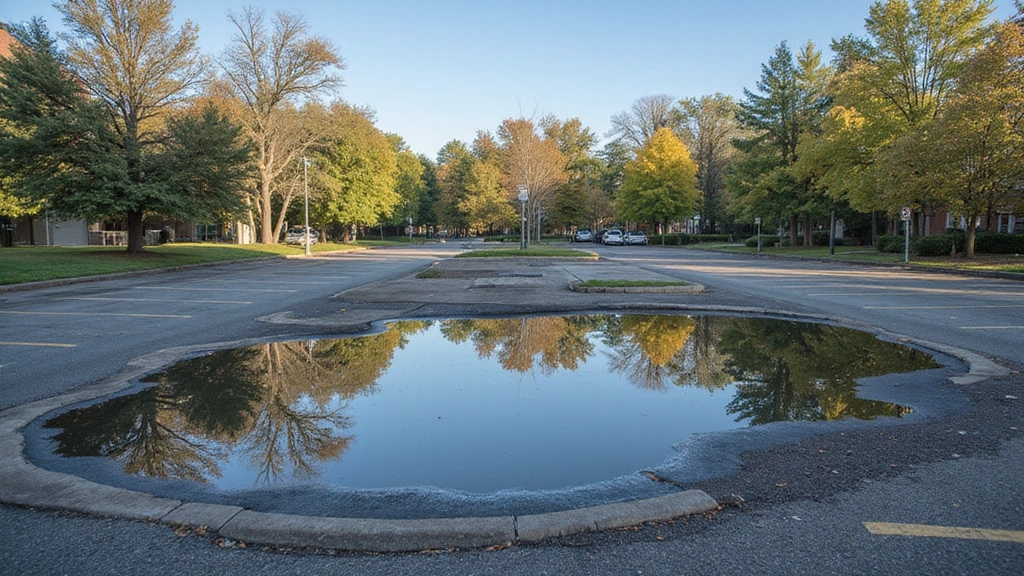
Because standing water accelerates subbase erosion and shortens driveway lifespan, your material’s permeability rating matters as much as its load capacity. Among permeable driveway materials, pervious concrete leads—draining up to 4 inches per minute through engineered air pockets. Gravel ranks next, filtering contaminants as water passes through stone layers into the subgrade.
When evaluating driveway drainage considerations, permeable pavers offer open-joint systems that absorb runoff naturally, preventing puddling during harsh weather. Grass plastic grids combine ground stabilization with water absorption while maintaining a green surface. Resin-bound surfaces provide SuDs-compliant permeability with a smooth, low-maintenance finish.
Your site conditions dictate the best option. Sloped properties benefit from gravel’s natural drainage. Flat sites with flood risk need pervious concrete or permeable pavers for maximum water management.
Choose a Driveway Style That Fits Your Home
Your driveway material should reinforce your home’s architectural identity—brick or cobblestone pavers suit colonial facades with formal symmetry, while large-format concrete slabs align with modern minimalist designs. Beyond personal preference, you’ll want to evaluate neighborhood style standards, since material choices that clash with surrounding properties can undermine curb appeal and even affect resale value. Matching texture, color tone, and layout geometry to your home’s existing materials creates visual cohesion that ties the driveway into the overall architectural composition.
Match Your Home’s Aesthetic
For modern homes, you’ll want dark gray concrete or large-format geometric pavers that reinforce clean, linear facades. Traditional properties benefit from herringbone brick or natural cobblestone in earthy tones. Rustic settings call for gravel, crushed stone, or turf-paver combinations that blend organically with the landscape.
Mixed materials—brick with permeable paving or stone with grass inlays—add visual depth while echoing exterior finishes. Beyond appearance, textured surfaces like brick patterns and exposed aggregate improve driveway surface traction safety, reducing slip risk during wet conditions without compromising design cohesion.
Consider Neighborhood Style Standards
Even if your chosen material matches your home’s architecture perfectly, it won’t pass muster if it violates local zoning codes or HOA restrictions that govern driveway dimensions, materials, and placement. Most residential codes require a minimum 10–12 foot widths for single-car access, with approaches capped at 20 feet. HOA restrictions often impose additional limits on styles and widths beyond municipal codes, so you’ll need to verify both before committing to any design.
During residential driveway planning, confirm spacing rules—minimum 28 feet between approaches and 2 feet from side property lines at the curb. When evaluating paver driveway options or other materials, check that your selection aligns with community uniformity standards. Violations trigger enforcement from both municipal authorities and your association, potentially requiring costly removal and replacement.
How to Pick the Right Driveway Material for Your Home
How effectively your driveway performs over the next 20–30 years depends largely on one decision: material selection. When evaluating a concrete driveway vs asphalt driveway, you’re comparing rigidity against flexibility, higher upfront cost against lower lifecycle maintenance, and heat resistance against freeze-thaw tolerance. Your driveway installation process should account for these four critical factors:
- Load requirements — Assess whether your driveway supports standard vehicles or occasional heavy loads exceeding 7,000 kg.
- Climate compatibility — Match material flexibility or rigidity to your region’s temperature extremes and precipitation patterns.
- Drainage design — Confirm your material choice supports adequate water runoff with a 2–5 percent slope.
- Lifecycle cost — Factor in maintenance intervals, resurfacing needs, and expected lifespan before committing to any surface material.
Frequently Asked Questions
Can I Install a New Driveway Material Over My Existing Driveway Surface?
Yes, you can install a new material over your existing driveway, but it depends on your base’s structural condition. You’ll successfully overlay asphalt at 1.5–3 inches thick if the base drains well and remains stable. You can also lay pavers over concrete or resurface concrete with epoxy. However, don’t overlay gravel on rigid surfaces—it won’t interlock properly. Always assess for major cracks, potholes, or base failure before proceeding.
How Thick Should a Residential Driveway Base Layer Actually Be?
You’ll need 4–8 inches of compacted crushed stone or gravel for a standard residential driveway base. If you’re dealing with weak subgrade soils like clay or silt, increase that to 12 inches for adequate load distribution. Compact each lift to 95% Modified Proctor Density before surfacing. For asphalt driveways, you’ll typically use 6–8 inches of granular base, while concrete driveways perform well with 4–8 inches depending on vehicle weight.
Do Driveway Materials Affect My Home’s Resale Value Significantly?
Yes, your driveway material greatly impacts resale value. Concrete driveways add 5–10% to home value with 60–70% ROI, while asphalt delivers 65–75% ROI at lower upfront costs. Paver driveways yield the highest ROI at 70–80%, thanks to their modern aesthetic and durability. Gravel offers only 50–60% ROI due to maintenance demands and uneven surfaces. A well-maintained driveway can boost your home’s perceived value by $5,000–$10,000.
What Weight Limit Can Different Driveway Materials Safely Support Regularly?
You’ll find that each material handles weight differently. Asphalt safely supports around 20,000 lbs standard, while reinforced versions reach 25,000 lbs. Concrete handles roughly 10,000 lbs at 4-inch thickness, but a 6-inch reinforced slab with rebar pushes capacity beyond 30,000 lbs. Pavers withstand 8,000–10,000 lbs depending on base compaction and thickness. For regular heavy-vehicle use, you’ll want reinforced concrete at 5,000 PSI, which supports loads approaching 70,000 lbs with proper subgrade preparation.
How Long Does a Typical Driveway Installation Take to Complete?
Your installation timeline depends on the material you choose. Asphalt driveways typically take 3–5 days, with paving completing in a single day after prep. Concrete driveways require 5–7 days for standard sizes, factoring in curing time. Paver driveways demand the longest commitment—5–10 working days depending on square footage. Site complexity, weather delays, and excavation needs can add 1–2 days across all materials.