
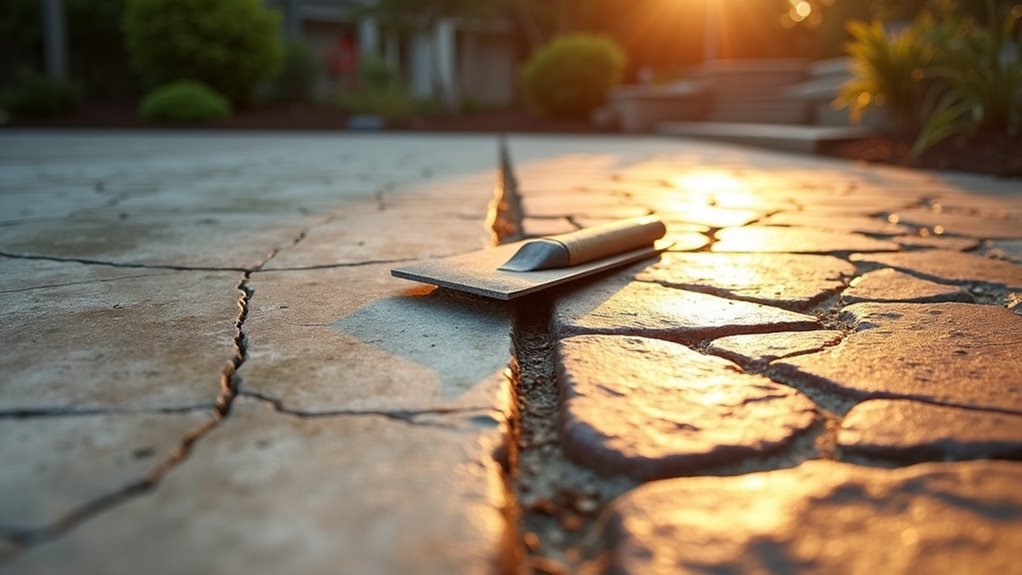
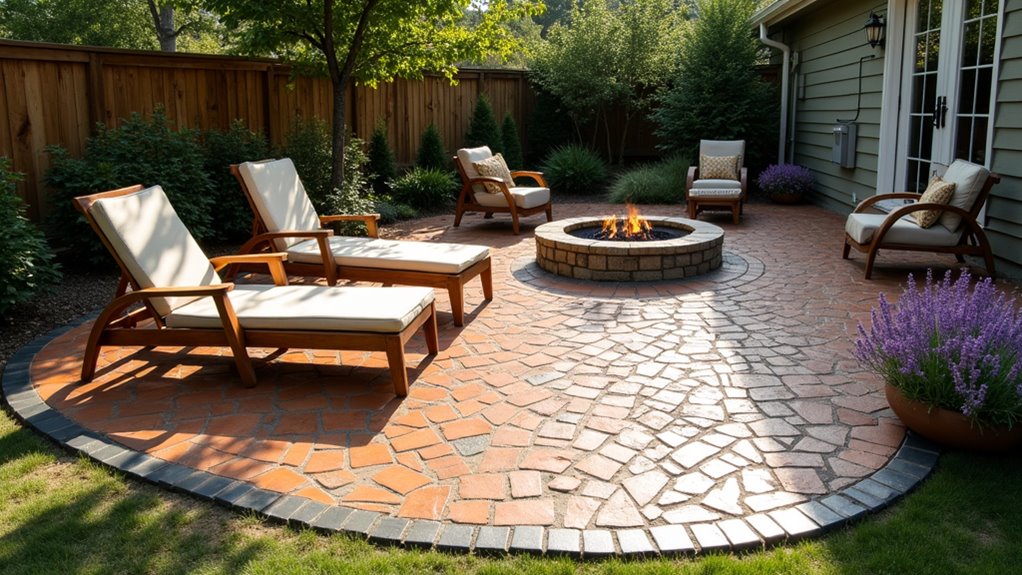
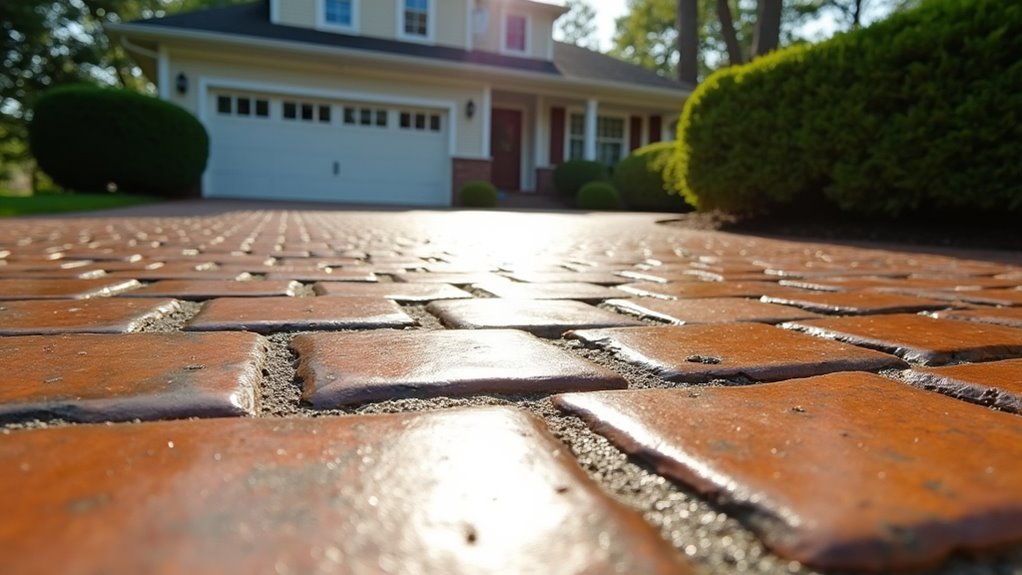
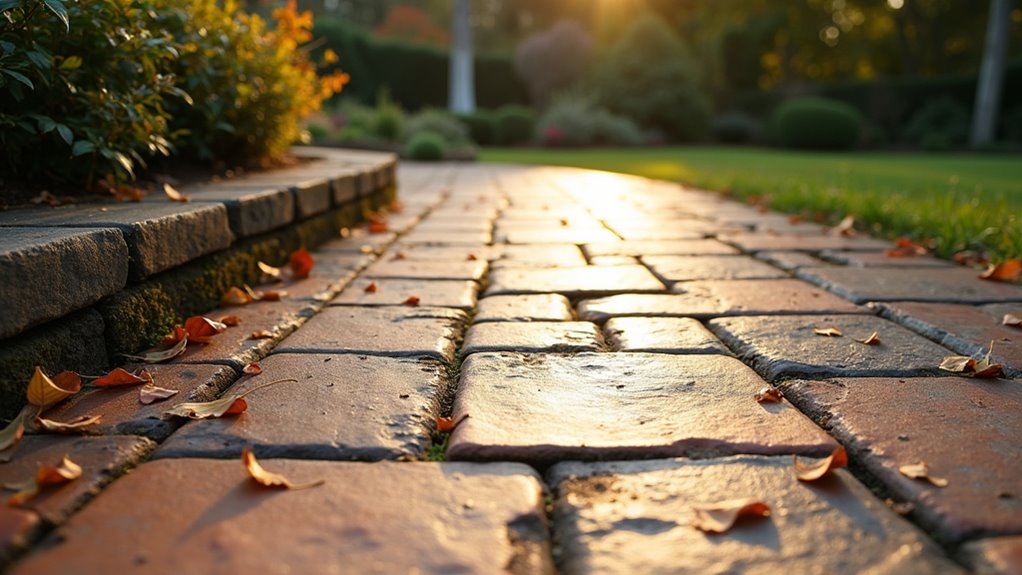
Paving a two-car driveway of about 600 square feet costs $4,200 to $10,800 with asphalt or concrete in 2026, and the national average across all driveway projects is about $4,900. Per square foot, expect $1 to $3 for gravel, $2 to $5 for recycled asphalt millings, $7 to $15 for asphalt, $8 to $18 for concrete, and $10 to $50 for pavers. Removing an old driveway, grading, drainage, and permits can add $1,000 or more. Connecticut prices usually run above the national average because of labor costs and the deeper base needed for freeze-thaw winters.
Key Takeaways
- Most homeowners pay $2,500 to $7,300 to pave a driveway, with an average of about $4,900 across all materials and sizes.
- Material choice drives the price more than anything else, ranging from $1 per square foot for gravel to $50 for premium pavers.
- Hidden costs such as removing the old driveway, base and grading work, drainage, and permits often add $1,000 to $5,000.
- Asphalt costs less up front than concrete or pavers, while concrete and pavers last longer, so long-term cost depends on how long you’ll stay.
- Getting an accurate quote starts with measuring your driveway, checking its base and drainage, and comparing itemized estimates.
What Is the Average Cost to Pave a Driveway
The average cost to pave a driveway is about $4,904, and most homeowners pay between $2,523 and $7,292, according to HomeAdvisor’s 2026 driveway cost data. That average covers every kind of project, from small gravel driveways to large concrete ones, so your own price depends on three things: the material, the size, and the condition of the ground underneath.
The national average is a starting point. Your driveway’s size, base condition, and the material you choose set the real price.
A driveway is mostly the work you never see. On a typical job, digging out, grading, and building a compacted stone base take as much time as laying the surface. Two quotes for the same material can be thousands of dollars apart because one includes a proper base and the other doesn’t.
How Much Does Driveway Paving Cost by Material
Driveway paving costs $1 to $50 per square foot depending on the material, with gravel at the low end, asphalt and concrete in the middle, and pavers at the top. The table shows installed prices and what that means for a standard 600-square-foot two-car driveway.
| Material | Installed Cost per Sq Ft | 600 Sq Ft Driveway |
|---|---|---|
| Gravel | $1 to $3 | $600 to $1,800 |
| Recycled asphalt millings | $2 to $5 | $1,200 to $3,000 |
| Tar and chip | $5 to $10 | $3,000 to $6,000 |
| Asphalt | $7 to $15 | $4,200 to $9,000 |
| Concrete | $8 to $18 | $4,800 to $10,800 |
| Pavers | $10 to $50 | $6,000 to $30,000 |
Asphalt is the most common choice for Connecticut homes because it handles freeze-thaw cycles well and can be driven on within days. For pricing by square footage, including 1,000 and 1,500-square-foot driveways, see our breakdown of asphalt driveway cost by size.
Concrete costs more up front and takes about a week to cure before you can drive on it, but it lasts longer with less upkeep. Decorative finishes such as stamping, coloring, or exposed aggregate push it toward the top of the range. Our comparison of concrete vs asphalt cost covers the tradeoffs.
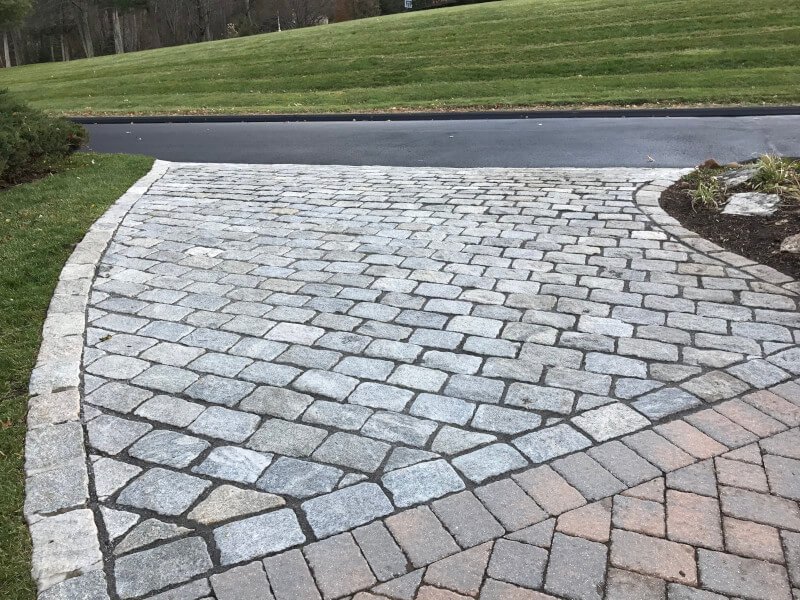
Pavers have the widest price range because concrete pavers, brick, and natural stone vary so much. Their advantage is repair: a cracked paver can be lifted and replaced instead of patching the whole surface.
Gravel, millings, and tar and chip are the budget options. Gravel is cheapest to install but needs regular top-ups and grading. Read our gravel driveway cost guide for per-ton pricing. Recycled millings pack down into a firmer, darker surface for a little more money, which we explain in our asphalt millings driveway guide. Tar and chip looks rustic and works well on long rural driveways. Our tar and chip vs asphalt guide compares the two.
Since. 1994
Looking for Reliable Paving Company in CT? Start Here
VF Paving delivers top-quality asphalt and concrete solutions for both residential and commercial projects. we specialize in driveways, parking lots, resurfacing, sealcoating, and repairs across Connecticut. Contact us today for a free estimation
Free Driveway Paving Quote!
100% SATISFACTION GAURANTEED
LICENSED & INSURED
How Much Does a Driveway Cost by Size
A driveway costs anywhere from about $2,100 for a short single-car driveway to more than $18,000 for a large driveway with a turnaround, when paved with asphalt or concrete. Size matters because most of the cost is calculated per square foot, while setup, equipment delivery, and base work add a fixed amount to every job.
| Driveway Size | Paved (Asphalt or Concrete) | Gravel Alternative |
|---|---|---|
| Single car, about 300 sq ft | $2,100 to $5,400 | $300 to $900 |
| Two-car, about 600 sq ft | $4,200 to $10,800 | $600 to $1,800 |
| Two-car with turnaround, about 1,000 sq ft | $7,000 to $18,000 | $1,000 to $3,000 |
The shape matters too. Curves, turnarounds, and a lot of edges and aprons take more hand work, and irregular layouts can add 10 to 30 percent to the price. A plain rectangle is the cheapest shape to pave.
What Factors Affect Driveway Paving Cost
The factors that affect driveway paving cost are material, size, site preparation, base and drainage needs, access, and local labor and permit costs. Site preparation is the one homeowners most often underestimate.
| Factor | Why It Changes the Price | Typical Effect |
|---|---|---|
| Removal of the old driveway | Old asphalt or concrete has to be broken up and hauled away | $2 to $6 per sq ft |
| Base and grading | Soft or uneven ground needs excavation and new compacted stone | Can add $1,000 or more |
| Drainage | Low spots and runoff may need a culvert, trench drain, or regrading | $1,500 to $5,000 for culverts |
| Shape and edges | Curves, aprons, and walkways need hand work | Adds 10 to 30 percent |
| Access | Tight entries, slopes, and long hauls slow equipment | Increases labor time |
| Permits | Many towns require a permit for new or widened driveways | $50 to $200, sometimes more |
For a deeper look at each one, read our guide to the factors that affect driveway paving cost.
Choose Your Driveway Material
From Driveways to Parking Lots, We Offer High-Quality Solutions Tailored to Your Needs
Classic Asphalt

Durable Concrete

Premium Cobblestone
How Much Does It Cost to Pave a Driveway in Connecticut
Paving a driveway in Connecticut usually costs more than the national average, and most two-car asphalt driveways here fall in the upper half of the $4,200 to $9,000 range. Three local factors push prices up:
- Labor and operating costs in Connecticut run higher than in most of the country.
- Freeze-thaw winters call for a thicker, well-compacted gravel base and good drainage. Cutting corners there leads to frost heaves and cracks within a few seasons. Our guide on how thick an asphalt driveway should be explains the base and surface depths that hold up here.
- The paving season is short. Asphalt is laid in warm weather, roughly spring through late fall, so schedules fill up and late-season slots go quickly.
We’ve paved driveways across Connecticut since 1994, from Hamden and New Haven to Stamford, Danbury, and Fairfield County. On older properties, the biggest price swings we see come from what’s under the old driveway: buried concrete, soft clay, or a missing base that has to be rebuilt before any new surface goes down.
Is It Cheaper to Resurface or Replace a Driveway
It’s cheaper to resurface a driveway when the base is still solid, because an overlay skips demolition, hauling, and most of the base work. Resurfacing lays a new layer of asphalt over the existing surface and usually costs well under half of full replacement.
Resurfacing makes sense when the driveway is faded, has minor cracks, or has a worn surface, but isn’t sinking or crumbling. Full replacement is the better value when there are potholes, alligator cracking across large areas, heaving, or standing water, since those point to a failed base that an overlay would just cover up. Our asphalt overlay cost guide breaks down resurfacing prices, and our guide on whether to resurface or replace your driveway helps you decide which one you need.
Which Driveway Material Costs Less Over Time
Asphalt usually costs the least over 20 to 30 years for most Connecticut homes, while concrete and pavers can come out even if you plan to stay long-term. The cheapest material to install isn’t always the cheapest to own, because upkeep and lifespan change the math.
| Material | Typical Lifespan | Ongoing Upkeep |
|---|---|---|
| Gravel | Surface lasts with regular top-ups | Regrading and new stone every few years |
| Asphalt | 15 to 25 years | Sealcoating every 2 to 3 years, crack filling |
| Concrete | 25 to 40 years | Occasional sealing and joint repair |
| Pavers | 30 to 50 years | Re-sanding joints, resetting shifted pavers |
Asphalt needs regular sealcoating, but it’s inexpensive. Our driveway sealcoating cost guide shows what that runs per year. For how long each surface holds up, see how long asphalt driveways last and our full comparison of gravel vs asphalt vs concrete driveways.
How Do You Estimate Your Own Driveway Paving Cost
You can estimate your own driveway paving cost by measuring the area, multiplying by the price per square foot for your material, and adding site work. It takes about fifteen minutes:
- Measure the length and width of each section and multiply them to get square feet, then add the sections together
- Multiply the total by the low and high price per square foot for your material from the table above
- Add removal at $2 to $6 per square foot if an old driveway has to come out
- Add 10 to 30 percent for curves, turnarounds, aprons, or a steep or tight site
- Set aside $1,000 to $5,000 for drainage or base repairs if water pools or the old driveway is sinking
For odd shapes and long driveways, follow our guide to measure your driveway accurately. When quotes come in, compare base depth, asphalt thickness, and what’s included, using our list of questions to ask before getting a paving quote.
Compare quotes line by line, not by the bottom number. Base depth and surface thickness are where cheap bids save money.


Get an Accurate Price for Your New Driveway
National averages help you budget, but your driveway’s size, base condition, drainage, and material choice set the final price. V&F Paving can evaluate your property and give you an itemized quote through its driveway paving services. Call (203) 624-2449 or request a free estimate to discuss your driveway size, site conditions, and paving options.
Why Choose V&F Paving?
Over 31 Years of Experience
Local & Family Owned in CT
Trusted by Hundreds of Connecticut Home-Owners
Frequently Asked Questions
How Much Does It Cost to Pave a Quarter-Mile Driveway?
A quarter-mile driveway is about 1,320 feet long. At 10 to 12 feet wide, that’s roughly 13,000 to 16,000 square feet. Large jobs usually get lower per-square-foot rates, so asphalt often lands around $65,000 to $160,000 depending on base work and drainage. Gravel or millings cost a fraction of that. Many owners pave the first section near the house and use gravel or millings for the rest.
What Is the Cheapest Way to Pave a Driveway?
Gravel is the cheapest way to surface a driveway at $1 to $3 per square foot, followed by recycled asphalt millings at $2 to $5. Tar and chip costs a little more but gives a firmer, sealed surface. For a hard-paved driveway, asphalt is the least expensive option and usually costs less up front than concrete. Whatever you choose, the base matters more than the surface.
Do You Need a Permit to Pave a Driveway in Connecticut?
Many Connecticut towns require a permit for a new driveway, a widened driveway, or a new curb cut, and repaving in the same footprint sometimes needs one too. If your driveway meets a state road, work in the right of way may need an encroachment permit from the Connecticut Department of Transportation. Fees are usually modest. A local contractor should know your town’s rules and pull permits as part of the job.
When Is the Best Time of Year to Pave a Driveway in Connecticut?
The best time to pave a driveway in Connecticut is late spring through early fall, when air and ground temperatures stay well above 50°F. Asphalt needs warmth to compact properly, and most asphalt plants scale back in winter. Booking in early spring gives you the most scheduling flexibility, since summer and early fall slots fill up quickly.
Does Paving a Driveway Increase Home Value?
A paved driveway can raise curb appeal and help a home sell, especially when it replaces cracked asphalt or a rutted gravel surface. The return depends on the material, the neighborhood, and the condition of the old driveway. Our guide on whether paving your driveway increases home value covers what buyers and appraisers look for.