
Cold patch asphalt works well for filling small potholes and holes in a driveway, but it’s a short-term fix, not a permanent repair or a material for a whole driveway. A standard bagged cold patch usually lasts a few months to one season. A premium, polymer-modified product that’s compacted well in a clean, dry hole can last one to a few years. Cold patch stays soft because it’s mixed with oils that keep it workable without heat, and that same softness is why it wears out, pushes around under tires, and can pop out after freeze-thaw cycles. For lasting results, holes should eventually be cut out and filled with hot mix asphalt.
Key Takeaways
- Cold patch is best for small potholes and holes up to a few square feet, especially in winter when hot mix isn’t available.
- Most bagged cold patch lasts a few months to one season, while premium products installed carefully can last one to a few years.
- Cleaning the hole, filling in 2-inch layers, and compacting each layer hard decide whether a patch holds or fails.
- You can drive on cold patch right after compacting it, but it keeps hardening for days to weeks and shouldn’t be sealed for 30 to 90 days.
- Large areas, recurring potholes, and crumbling edges point to base damage that needs a hot mix repair or replacement.
Does Cold Patch Asphalt Work for Driveway Repairs
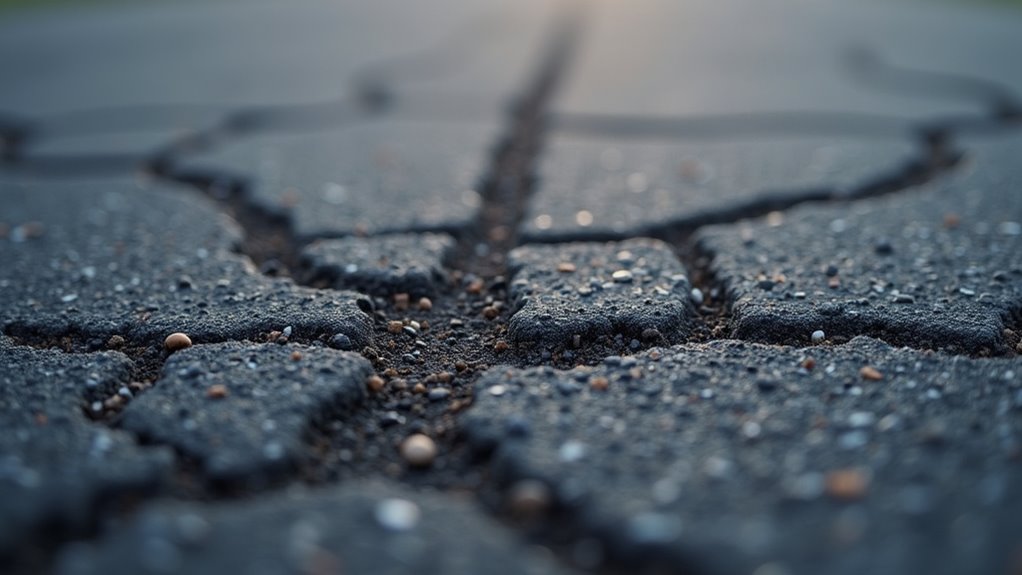
Cold patch asphalt works for driveway repairs when the damage is small, the hole is cleaned out, and the patch is compacted firmly. It doesn’t work for large areas or for damage caused by a failing base. Cold patch is aggregate coated in asphalt that has been thinned with oils or solvents so it can be shoveled straight from the bag. If you want the details of how it’s made, our guide explains what cold mix asphalt is.
| Driveway Problem | Is Cold Patch a Good Fit | Better Long-Term Option |
|---|---|---|
| Single pothole under 2 to 3 sq ft | Yes, as a temporary or semi-permanent fix | Hot mix patch in warm weather |
| Winter pothole that’s getting worse | Yes, it’s the only practical option until spring | Hot mix patch once plants reopen |
| Several potholes in one area | Short-term only | Cut out and patch with hot mix |
| Crumbling driveway edges | Short-term only | Rebuild the edge with base and hot mix |
| Large cracked or sunken section | No | Full-depth repair or replacement |
| Resurfacing the whole driveway | No | Hot mix overlay or new driveway |
Crumbling edges are a common place for cold patch to fail because there’s nothing supporting the patch on the outside. Our guide on how to repair crumbling driveway edges covers that repair.
How Long Does Cold Patch Asphalt Last
Cold patch asphalt lasts anywhere from a few months to a few years, depending on the product, the prep work, and how the patch is compacted. The biggest difference comes from installation, not the brand.
| Product and Installation | Typical Lifespan | Why |
|---|---|---|
| Basic bagged patch, poured in and lightly tamped | A few months to one season | Stays soft, pushes out under tires and freeze-thaw |
| Basic patch in a clean, dry hole, compacted hard in layers | About one season to a year | Better density keeps water out |
| Premium polymer-modified or reactive patch, installed carefully | One to a few years | Stronger binder and better adhesion |
| Hot mix patch, saw-cut and compacted | As long as the surrounding pavement | Fuses with the existing asphalt |
Highway research backs this up. The FHWA pothole repair research found that high-quality cold mix patches lasted far longer than low-grade material, and that the patching material mattered more than elaborate prep steps. For a direct comparison of the two repair methods, see cold patch vs hot patch asphalt.
A cold patch is only as good as its compaction. A loosely tamped patch can fail in weeks, while the same product packed hard can last a year or more.
How Do You Use Cold Patch on a Driveway
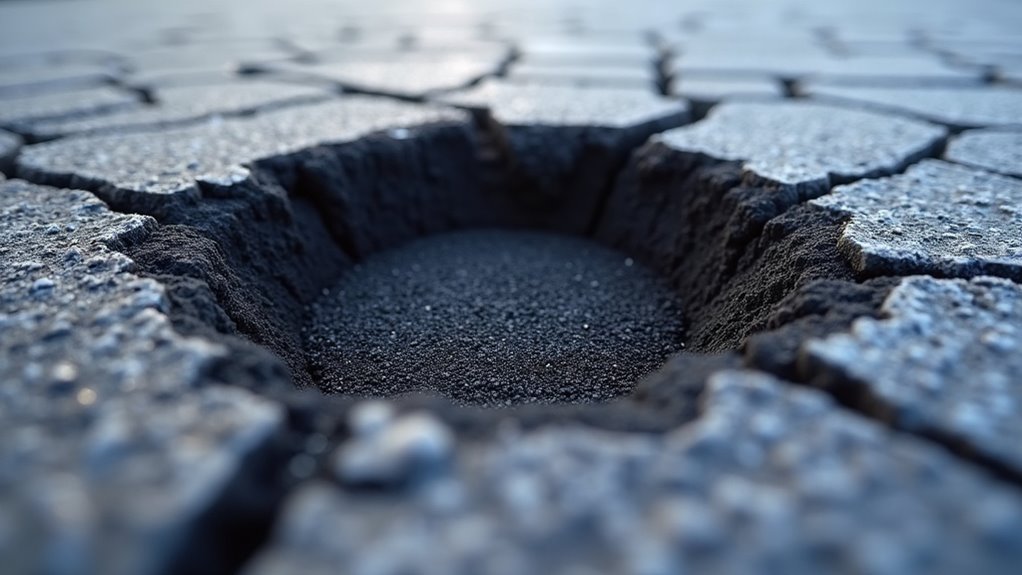
You use cold patch on a driveway by cleaning the hole, filling it in layers, and compacting each layer as hard as you can. It takes about 30 minutes for a typical pothole:
- Clean the hole. Remove loose asphalt, gravel, dirt, leaves, and standing water. Use a broom, shop vac, or leaf blower.
- Square up the edges if you can. Trimming crumbly edges back to solid asphalt with a chisel gives the patch firm sides to lock against.
- Add base for deep holes. If the hole is deeper than about 3 inches, fill the bottom with compacted crushed stone first.
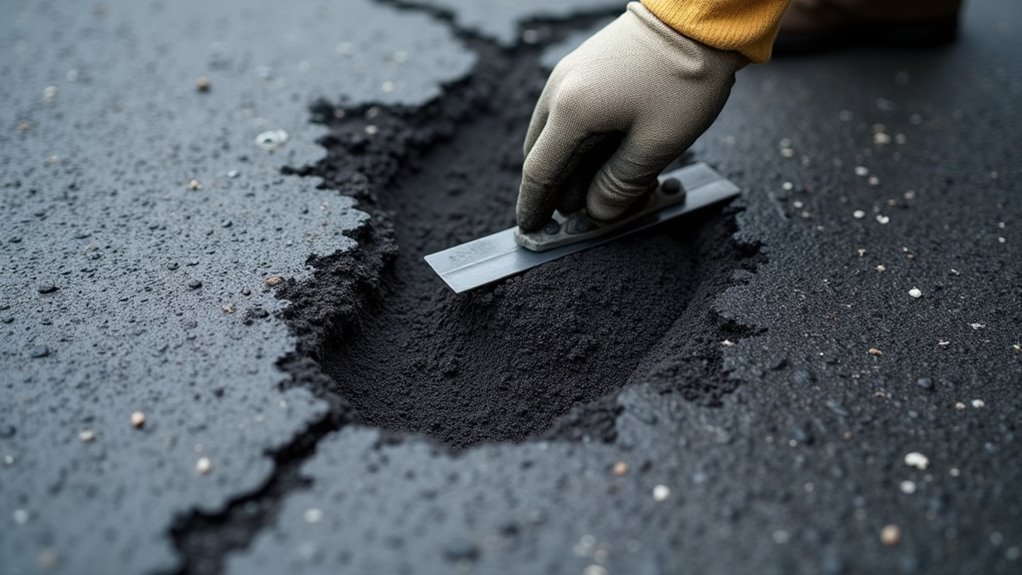
- Fill in 2-inch layers. Pour in cold patch, spread it evenly, and compact each layer with a hand tamper before adding the next.
- Overfill the top layer slightly. Leave the final layer about 1/2 inch above the surrounding driveway, since it compresses as you tamp.
- Compact the top hard. Use a tamper, then drive slowly back and forth over the patch with a car tire, with a piece of plywood on top if you have one.
For other DIY fixes, such as filling cracks, see our guide on how to repair asphalt yourself.
How Much Cold Patch Do You Need for a Pothole
A 50-pound bag of cold patch fills about 4 square feet at 1 inch deep, or about 2 square feet at 2 inches deep, once compacted. To estimate, multiply the hole’s length by its width in feet, multiply that by its depth in inches, and divide by 4. That tells you roughly how many 50-pound bags you need.
For example, a pothole 2 feet long, 1.5 feet wide, and 2 inches deep works out to 2 × 1.5 × 2 ÷ 4 = 1.5 bags. Buy two. Bags usually cost $15 to $30 at hardware stores, and premium polymer-modified products cost more. Extra bags keep for months if they’re sealed and stored somewhere dry.
How Long Does Cold Patch Take to Harden
Cold patch can handle car traffic right after it’s compacted, but it takes days to weeks to fully harden. Solvent-based products harden as the oils slowly evaporate and the patch is pressed down by traffic. Water-activated (reactive) products cure faster, often within a day.
- Right after compaction: Safe to drive on slowly, without sharp turns over the patch.
- First few days: Still soft in warm weather, so keep motorcycle kickstands, jacks, and trailer tongues off it.
- Two to six weeks: Most solvent-based patches firm up noticeably.
- 30 to 90 days: The patch is usually stable enough to sealcoat.
Warm, dry weather speeds hardening. Cold, wet weather slows it, so a winter patch may stay soft until spring.
What Makes Cold Patch Repairs Fail
Cold patch repairs fail most often because of water, loose debris, and weak compaction, not because the product was bad. These are the mistakes behind most failed patches:
- Leaving water or mud in the hole, which stops the patch from bonding
- Pouring one deep layer instead of compacting in 2-inch layers
- Tamping lightly and leaving air pockets that let water in
- Leaving the patch level with the surface instead of slightly overfilled
- Patching over a failed base that keeps sinking under the patch
- Patching at the outside edge of a driveway, where nothing holds the patch in place
If the same pothole keeps reopening, the base underneath has failed. No amount of cold patch on top will fix that.
What Should You Look for in a Good Cold Patch Product
A good cold patch product is labeled for permanent or semi-permanent repairs, uses a polymer-modified or reactive binder, and states that it works in wet conditions. The cheapest bags are usually a basic oil-cut mix that stays soft. Before you buy, check the label for:
- Polymer-modified, high-performance, or reactive binder
- Whether it can be applied to damp holes or in cold weather
- How long the maker says it takes before traffic and before sealing
- Coverage per bag at a given depth
- Whether it needs a tack coat or primer on the edges
Premium products cost more per bag but often last several times longer. That’s usually worth it for a driveway you see every day.
When Should You Replace Cold Patch With a Permanent Repair
You should replace cold patch with a permanent repair once the weather warms up, or sooner if the patch keeps failing. In Connecticut, potholes open up from February through April as frost leaves the ground, and most asphalt plants don’t supply hot mix during the coldest months. Cold patch is the right tool to get through winter. Spring is the time to fix the damage for good.
A permanent hot mix repair includes:
- Saw-cutting the damaged area back to sound pavement with straight edges
- Removing the old asphalt and any soft base material
- Rebuilding and compacting the gravel base
- Applying a tack coat, filling with hot mix asphalt, and rolling it flush with the driveway
If you’re seeing several potholes, spreading cracks, or sinking areas, our guide to the best way to repair an asphalt driveway compares the options. When the damage covers much of the surface, it may be time to consider when to replace an asphalt driveway.
Fix Driveway Potholes the Right Way
Cold patch can get you through a Connecticut winter, but potholes that keep coming back need a permanent fix before they spread. V&F Paving can assess the damage and replace temporary patches with lasting hot mix repairs through its asphalt driveway repair services. Call (203) 624-2449 or request a free estimate to discuss potholes, patch failures, and repair options for your driveway.
Frequently Asked Questions
Can You Seal Over Cold Patch Asphalt?
Yes, but wait until the patch has hardened, usually 30 to 90 days depending on the product and the weather. Sealing too soon traps the oils that are still evaporating, so the sealer stays tacky, discolors, or peels over the patch. Check the product label, since some reactive patches can be sealed sooner. Our driveway sealcoating cost guide explains how patching affects a sealcoating quote.
Will Cold Patch Asphalt Stick to Concrete?
Cold patch can fill a hole in concrete, but it doesn’t bond well to it and tends to loosen around the edges. Some products are labeled for concrete and work better with a primer. For a lasting concrete repair, a concrete patching compound or repair mortar is the better choice. Cold patch is made to bond with asphalt.
Can You Use Cold Patch for an Entire Driveway?
No. Cold patch is too soft and too costly per square foot to surface a whole driveway. It never hardens enough to carry daily traffic across a large area, so it ruts and pushes out. A full driveway needs hot mix asphalt laid and rolled with paving equipment. For the differences, see cold mix vs hot mix asphalt.
Can You Heat Cold Patch to Make It Work Better?
Warming cold patch makes it easier to work in cold weather, but you shouldn’t use a torch or open flame on it. The oils in the mix are flammable, and direct flame scorches the binder. Store the bag indoors for a day before using it in winter, or let it sit in the sun. A warmer mix spreads and compacts more easily, which helps it last.
Is Cold Patch Cheaper Than Hiring a Contractor?
Cold patch is cheaper for a single small pothole, often under $50 in materials. Over time, though, a patch that has to be redone every season can cost more than a professional hot mix repair that lasts years. For one or two small holes, DIY cold patch makes sense. For several potholes or large areas, a professional repair is usually the better value.