
Repair your parking lot when distress covers less than 25 to 30% of the surface and the base stays sound. Crack sealing, pothole patching, and sectional repair fix isolated defects. Resurface when oxidation, wear, and cracking span the lot but stay in the top layer. A 1.5 to 2-inch overlay costs about $1 to $3 per square foot and adds 8 to 15 years. If you spot ruts, sunken areas, or flexing, you’ll need reconstruction instead. Here’s how to assess your lot accurately.
Key Takeaways
- Choose repair when damage is isolated, affecting less than roughly 25 to 30% of the lot, and the base remains sound.
- Choose resurfacing when oxidation, wear, and cracking span the lot but stay confined to the upper asphalt layer.
- Resurfacing adds a 1.5 to 2-inch overlay, costs about $1 to $3 per square foot, and extends service life 8 to 15 years.
- Ruts, sunken areas, flexing pavement, or recurring potholes signal base failure, requiring reconstruction rather than repair or resurfacing.
- Map every defect, check drainage and structural stability, then compare written bids by matching scope rather than upfront price.
Should you repair or resurface your parking lot
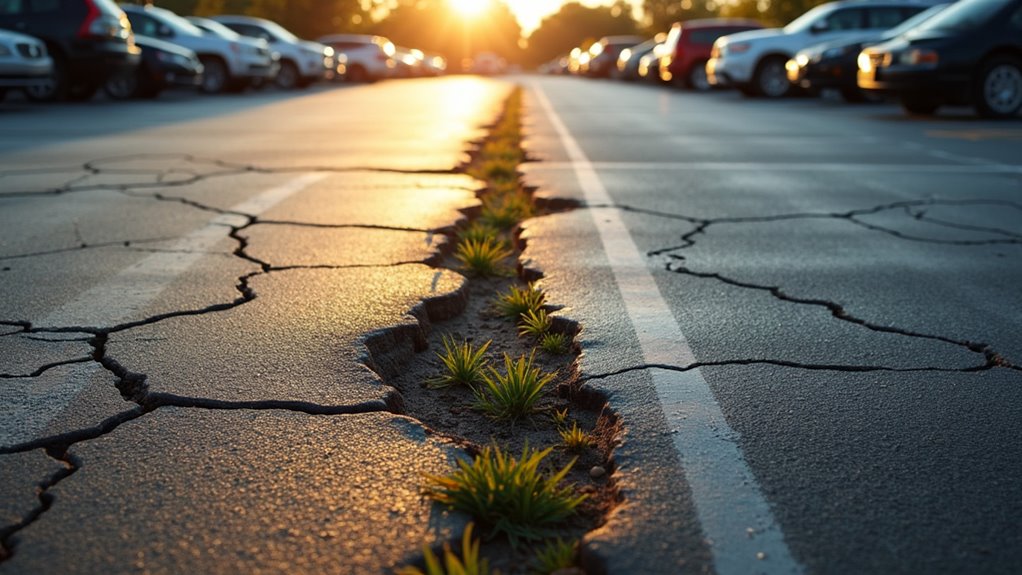
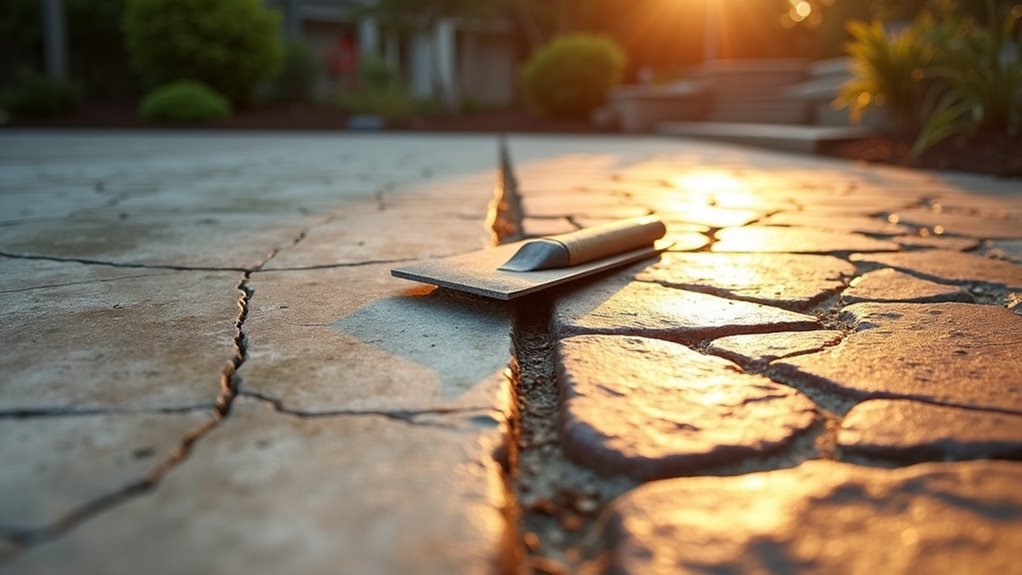
Repair your parking lot when damage is limited to isolated cracks, potholes, or small failed sections, and resurface it when oxidation, surface wear, and cracking span the lot but stay confined to the upper layer. Targeted repair usually delivers the best value for localized damage. Parking lot repair generally fits when distress affects less than roughly 25 to 30% of the lot and the base remains sound. Crack sealing stops early water intrusion, while patching corrects localized failures.
Asphalt parking lot resurfacing is the better choice when damage is widespread but limited to the surface. A 1.5 to 2-inch overlay costs about $1 to $3 per square foot and can add 8 to 15 years.
Don’t resurface parking lot pavement over a failed base. Rutting, sunken areas, flexing under load, or recurring potholes signal structural problems that require base correction or full-depth replacement. Get a professional evaluation before deciding.
How do parking lot repair and resurfacing compare
Repair fixes isolated damage, and resurfacing renews the entire surface layer, so the two differ in scope, cost, and service life. Asphalt parking lot repairs target isolated cracks, potholes, and small failed sections, typically when damage covers less than 25 to 30% of the lot. Parking lot resurfacing adds a 1.5–2-inch asphalt layer over a structurally sound base to correct widespread oxidation and surface wear.
| Factor | Repair | Resurfacing |
|---|---|---|
| Scope | Localized defects | Entire surface layer |
| Cost | Varies by defect | $1 to $3 per sq ft |
| Added life | Limits deterioration | 8 to 15 years |
Compare scope-matched written bids, not just upfront price. Resurfacing costs roughly 40 to 60% less than full-depth replacement, but it won’t fix base failure. Use preventive repairs when the base is sound. One source estimates they cut lifetime costs by 30 to 50%. If potholes keep returning, get the base professionally inspected.
What does parking lot repair actually fix
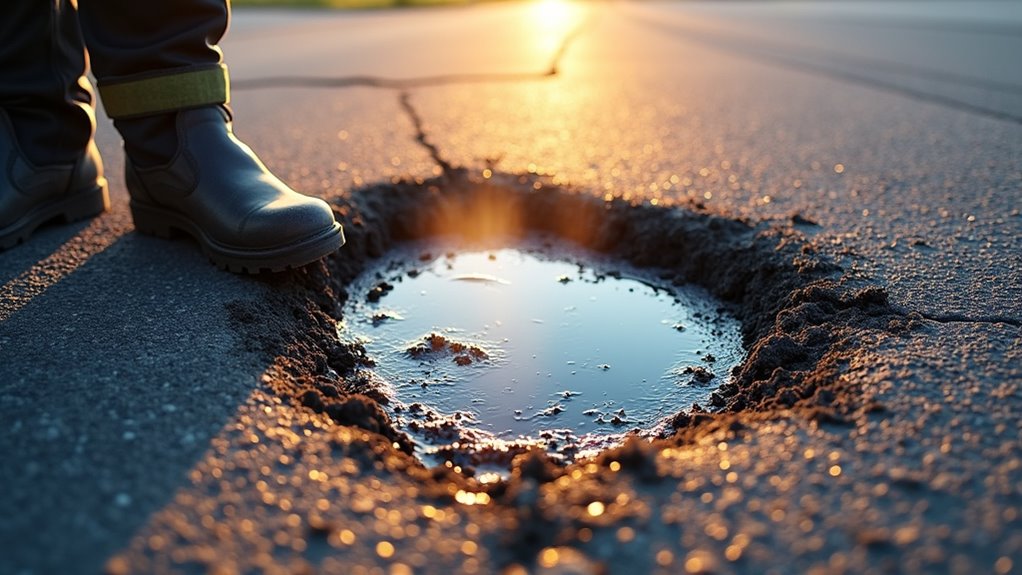
Parking lot repair fixes three localized defects: early-stage cracks, potholes, and small failed sections. It targets these because most pavement failures start small. Crack sealing closes early-stage cracks before water reaches the base. Pothole patching treats localized surface failures, restoring a safe driving surface. Sectional repair removes small failed areas. If damage extends below the asphalt, your contractor should correct the base before repaving that section.
Repair works when damage covers less than roughly 25 to 30% of your lot and the base remains sound. Timely crack filling and patching limit water entry. One industry source estimates preventive maintenance cuts lifetime costs by 30 to 50% versus waiting for replacement.
Watch for potholes that return in the same spot. Recurring failures signal deeper structural trouble that surface repair won’t fix.
What does resurfacing involve
Resurfacing involves placing a new asphalt layer, commonly about 1.5 to 2 inches thick, over existing pavement whose base remains structurally sound. It’s suited to widespread oxidation, surface wear, and cracking confined mainly to the upper pavement layer.
If the top layer has deteriorated, you’ll likely need mill-and-overlay: crews remove the damaged asphalt before placing new material. Milling also exposes the underlying pavement, so your contractor can inspect it and repair localized base failures before installing the overlay.
Don’t choose resurfacing based on age alone. Pavement professionals commonly recommend it when surface damage stays below about 30% and the foundation is sound. Published estimates suggest it can add 8 to 15 years of service life, depending on preparation, existing condition, installation quality, and maintenance. Climate and traffic affect results.
When is repair the smarter, cheaper choice
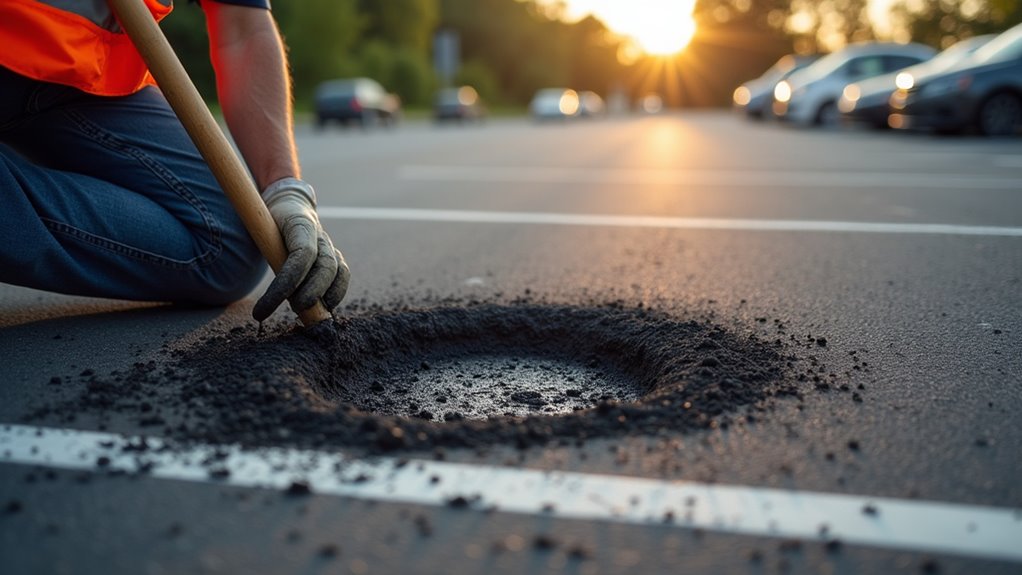
Repair is the smarter, cheaper choice when damage is limited to isolated cracks, potholes, or small failed sections and most of the pavement remains serviceable, because targeted repair usually costs less than resurfacing. It’s generally appropriate when distress affects less than roughly 25 to 30% of your lot and the base remains sound.
Match the repair to the defect. Crack sealing addresses early-stage cracks, and pothole patching treats localized surface failures. If damage extends below the asphalt, make sure your sectional repair includes base correction. Watch for potholes that keep returning, because recurring failures can signal deeper structural trouble.
Timing matters. Prompt crack filling and patching limit water entry and slow deterioration. One industry source estimates preventive maintenance can cut lifetime costs by 30 to 50% compared with delaying work until you need replacement.
When does resurfacing make more sense
Resurfacing makes more sense than piecemeal repair when wear spreads across the surface but the base stays structurally sound. Look for widespread oxidation, surface wear, and cracking confined mainly to the upper layer. If surface damage stays below about 30% and the foundation holds, you’re a strong candidate. Don’t rely on age alone; it isn’t a sufficient diagnosis.
A standard overlay adds roughly 1.5 to 2 inches of asphalt, while mill-and-overlay removes the deteriorated top layer first. Milling also exposes the underlying pavement, so your contractor can fix localized base failures before paving. Expect to pay about $1 to $3 per square foot for resurfacing and $2 to $5 for more involved mill-and-overlay work. You’ll typically gain 8 to 15 years of service, depending on preparation, installation, maintenance, and existing pavement condition.
How do you decide between the two for your lot
Decide based on how much of the surface is damaged and whether the base underneath is still stable. A lot-wide inspection gives you the data to make this call. Map every defect across the pavement, then calculate what share of the surface it affects. Check drainage, structural stability, and recurring failure points before you compare bids.
Base your decision on damage extent and base stability. Inspect the entire lot, map every defect, and check drainage before comparing bids.
- Isolated damage: You see scattered cracks and a few potholes, while the surrounding asphalt stays firm. Choose targeted repair.
- Widespread surface wear: You find faded, oxidized asphalt and shallow cracking across the lot, but damage stays below roughly 25 to 30% and the base holds. Choose resurfacing.
- Structural failure: You notice ruts, sunken areas, flexing pavement, or potholes returning to the same spot. Neither option fixes this, so plan reconstruction.
When damage is extensive or recurring, get a professional evaluation. Surface appearance alone won’t reliably reveal the base’s condition.
Get the Right Parking Lot Solution for Your Property
V&F Paving provides commercial asphalt paving and parking lot services for property owners dealing with cracks, potholes, surface wear, and pavement deterioration. Whether your lot needs targeted repairs or a new asphalt surface, the right solution depends on the condition of the existing pavement, base, drainage, and traffic demands. Call (203) 624-2449 to discuss your parking lot and get an estimate.
Frequently Asked Questions
How Often Should a Parking Lot Be Sealcoated After Repairs or Resurfacing?
You should sealcoat your parking lot every 3 to 5 years after repairs or resurfacing, the interval sources commonly recommend. Don’t treat that range as fixed: climate, traffic volume, drainage, materials, and workmanship shift your actual schedule. Pair sealcoating with periodic inspections and prompt crack filling to limit water intrusion. You’ll protect your investment, since one industry source estimates preventive maintenance can cut lifetime costs by 30 to 50% versus deferring work until full-depth replacement.
What Warning Signs Indicate a Parking Lot Needs Full-Depth Replacement Instead?
You’ll need full-depth replacement when distress signals base or subgrade failure, not just surface wear. Watch for persistent rutting, sunken areas, heaving, pavement that flexes under load, and potholes that keep returning in the same spot. Severe, widespread drainage problems also trigger reconstruction. A new lot typically lasts 20 to 25 years, versus 8 to 15 for resurfacing. Since surface appearance can’t reveal base condition, you should get a professional evaluation before you commit.
How Long Does a Newly Constructed Asphalt Parking Lot Typically Last?
A newly constructed asphalt parking lot typically lasts about 20 to 25 years, but you shouldn’t treat that range as a guarantee. Construction quality, traffic loads, climate, drainage, and maintenance all shift actual service life. You’ll extend performance by inspecting periodically, filling cracks promptly, and sealcoating every 3 to 5 years where appropriate. If you skip preventive work, water intrusion accelerates deterioration, and you’ll face costly repairs or full-depth reconstruction much sooner than expected.
How Do Drainage Problems Affect the Lifespan of a Parking Lot?
Poor drainage shortens your lot’s service life by letting water penetrate cracks and weaken the base, which can turn surface distress into structural failure. While a new lot typically lasts 20 to 25 years, ponding water and edge runoff can cut that range. If drainage problems are severe and widespread, you’ll likely need full-depth replacement, not an overlay. Prompt crack filling limits water entry and can reduce your lifetime costs by 30 to 50%.
Should a Pavement Professional Inspect My Lot Before I Request Bids?
Yes, especially if you’re seeing recurring potholes, rutting, settlement, or ponding water, because surface appearance alone won’t reveal base condition. A professional maps distress across the entire lot, checks drainage and structural stability, and determines whether damage stays below roughly 25 to 30%. That diagnosis tells you whether you need repair, resurfacing ($1 to $3/sq ft), or replacement ($4 to $10/sq ft), so you can request written, scope-matched bids and compare them on equal technical terms.