

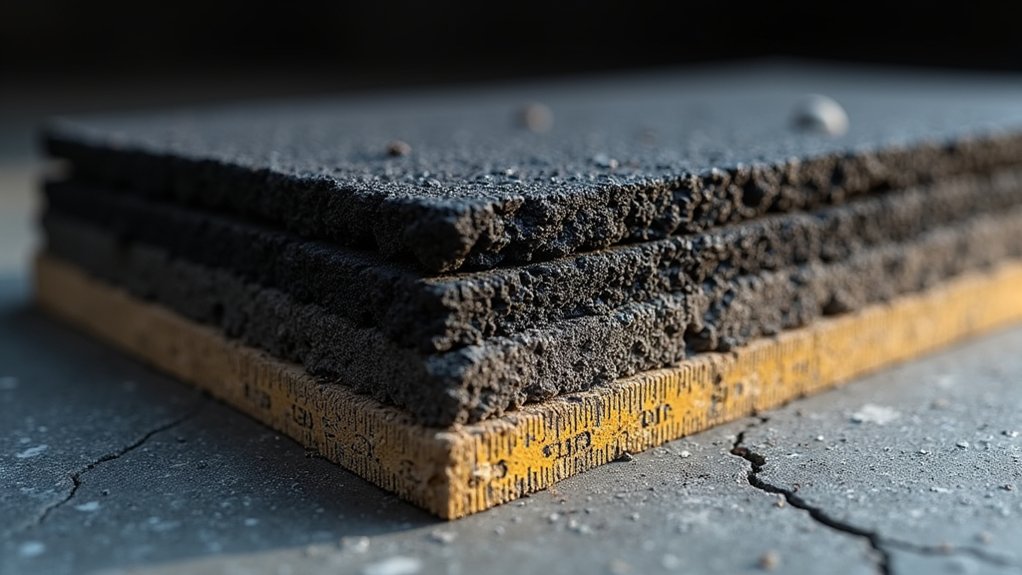
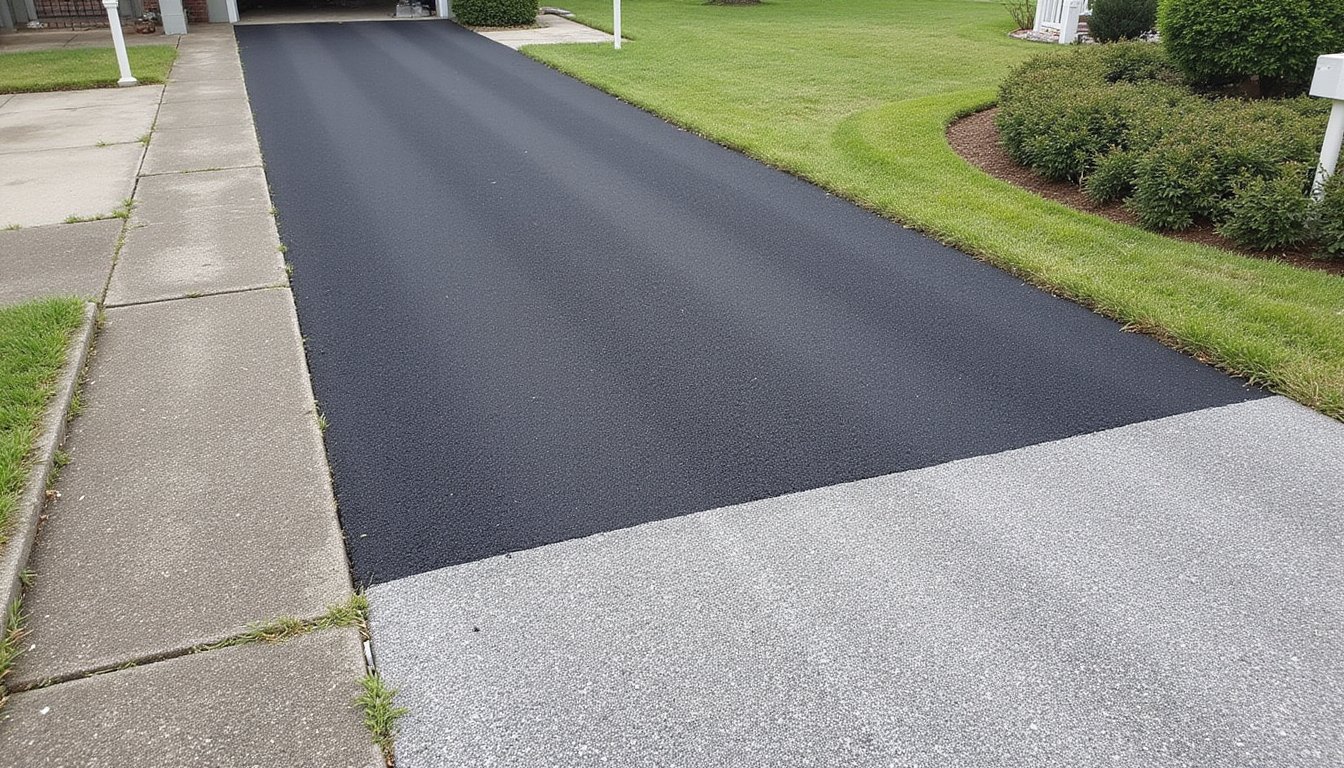
Cold patch asphalt isn’t suitable for full driveway installations. While it’s perfect for temporary pothole repairs and crack filling, the oils that keep it workable prevent the structural bonding you need for large surface areas. You’ll get weeks to months of performance, not the 15-20 years hot-mix delivers. Cold patch works best for spot treatments under light residential traffic, but for permanent results, you’ll want to understand when professional installation makes more sense. Cold patch asphalt isn’t suitable for full driveway installations. While it’s perfect for temporary pothole repairs and crack filling, the oils that keep it workable prevent the structural bonding you need for large surface areas. If you’re researching what is cold mix asphalt technology, it’s important to understand this fundamental limitation. You’ll get weeks to months of performance, not the 15, 20 years hot-mix delivers. Cold patch works best for spot treatments under light residential traffic, but for permanent results, you’ll want to understand when professional installation makes more sense. When considering options for pavement repairs, the difference between cold patch vs hot asphalt becomes crucial. Hot asphalt provides a durable solution that not only stands up to heavier traffic but also offers superior longevity under varying conditions. Therefore, for homeowners looking to invest wisely in their driveways, understanding the benefits of each type can lead to more effective maintenance strategies.
Can You Use Cold Patch for a Full Driveway?
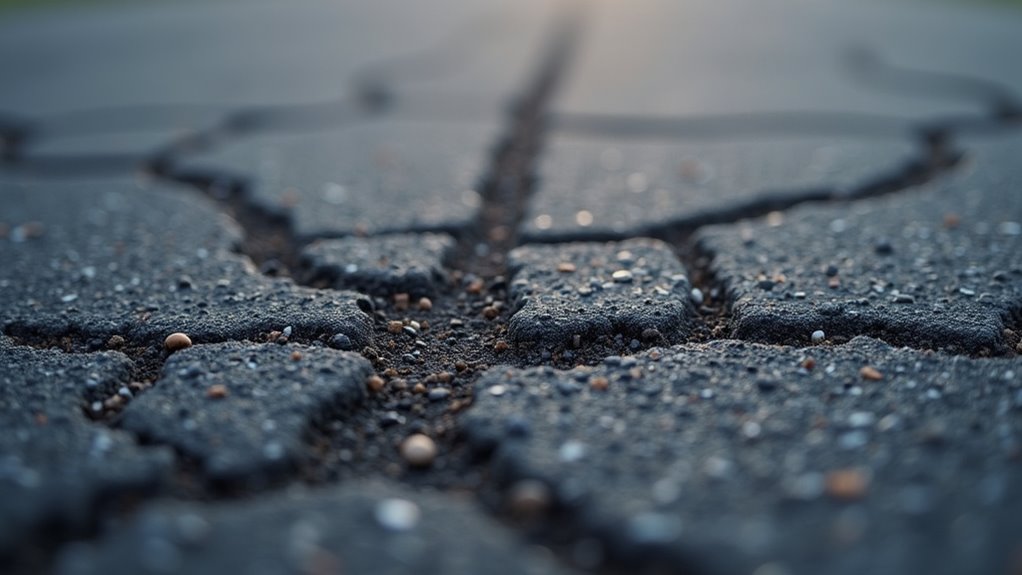
Cold patch asphalt isn’t engineered for full driveway installations, it’s formulated specifically for temporary pothole repairs and small-scale fixes. When comparing cold patch vs hot patch, you’ll find cold mix lacks the structural integrity required for large surface areas. The oils that keep it workable in cold temperatures also compromise long-term durability.
You can use cold mix driveway repair for spot treatments under light residential traffic, but expect it to last only a few months to one season maximum. For full driveway applications, temporary asphalt simply won’t bond properly with existing surfaces or withstand continuous vehicle loads. Cold patch is composed of bitumen emulsion, aggregates, polymers, and other additives that make it ideal for quick fixes but unsuitable for large-scale paving projects.
If your subbase is compromised or you’re dealing with heavy traffic, cold patch will fail prematurely. Always plan for professional hot mix replacement as your permanent solution.
Cold Patch vs. Hot-Mix: What’s the Difference?
When you’re evaluating asphalt options for your driveway, understanding the fundamental differences between hot mix and cold patch determines whether you’ll get a lasting surface or a temporary fix.
Hot mix delivers permanent results while cold patch offers a quick fix, knowing the difference saves time and money.
Hot mix asphalt heats aggregate and binder to 300-350°F, creating a dense, impermeable surface. A cold asphalt driveway uses emulsified binding agents that remain workable at ambient temperatures. This makes cold patch a convenient option since it comes ready to use and requires no special equipment for application.
Consider these key distinctions:
- Hot mix delivers 15-20 years of service life; cold mix asphalt driveway installations last weeks to months.
- Hot mix requires professional equipment and warm weather above 40°F.
- Cold patch compacts gradually while hot mix sets immediately upon cooling.
- Hot mix resists heavy traffic and moisture penetration; cold patch loosens under repeated vehicle loads.
When Cold Patch Works Best for Driveway Repairs
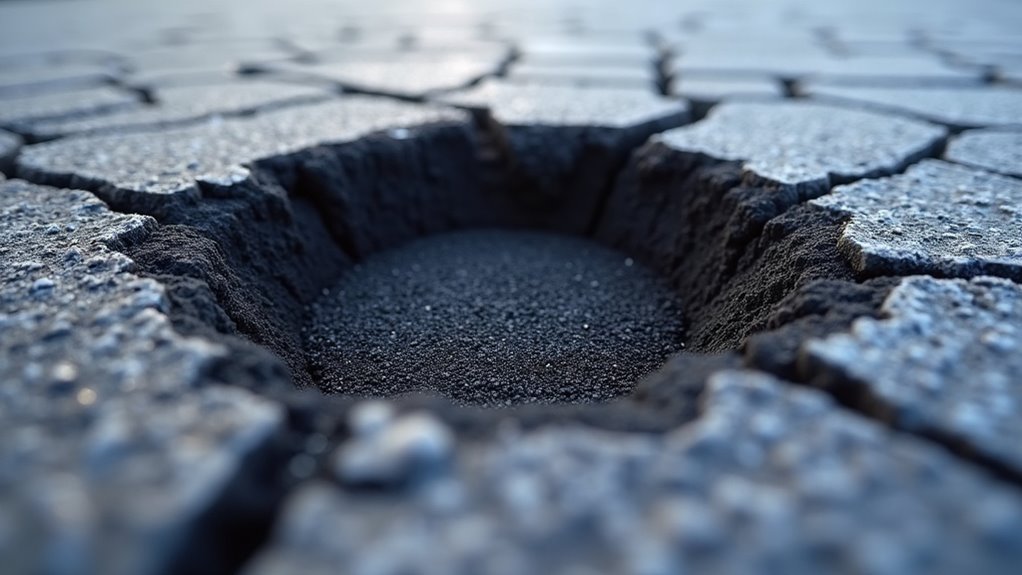
Cold patch delivers ideal performance when you’re tackling small pothole repairs under 2 inches deep or filling hairline to moderate cracks in your existing driveway surface. You’ll find it’s the go-to solution for quick DIY fixes that don’t require professional equipment, specialized heating, or extended cure times before traffic exposure. This versatility extends to wet and dry conditions, making cold patch a reliable option regardless of weather when repairs need to happen immediately. When surface prep is done right and compaction follows best practices, these targeted repairs can extend your driveway’s service life without the cost of full-depth hot-mix overlay.
Small Pothole Repairs
Small pothole repairs represent the ideal application for cold patch asphalt, particularly when conditions prevent hot mix installation. You’ll achieve the best results when you follow proper preparation protocols and compaction techniques.
Key Steps for Effective Pothole Repair:
- Remove all debris, loose aggregate, and standing water from the cavity
- Fill the void with cold patch material, maintaining level grade with surrounding pavement
- Compact using a hand tamper until the surface is firm and flush
- Allow traffic immediately after achieving proper compaction
Cold patch excels in emergency winter repairs when temperatures drop between -17°C and 10°C. You’re looking at a functional lifespan of one to two seasons under light residential traffic. Don’t torch the material, you’ll break down the binding ingredients and compromise adhesion.
Filling Cracks Effectively
Filling cracks effectively requires understanding the specific conditions where cold patch outperforms hot mix asphalt. You’ll find cold patch ideal when temperatures drop between -17 and 10 degrees Celsius or exceed 40 degrees Celsius, conditions that render hot mix unworkable. Remote locations far from batching plants or winter emergencies when facilities are closed also make cold patch your best option.
Before application, you’ll need to thoroughly clean cracks, removing all debris, loose material, and moisture. Verify your subbase remains structurally sound. Fill cracks to grade level, spread the material evenly, and compact firmly. The process is straightforward, dump, tamp, and you’re done.
Your repair will be ready for light traffic after compaction, with full set occurring within 24 hours. Avoid heavy vehicle loads for several days.
Quick DIY Fixes
When you’re facing a pothole that’s appeared overnight or a crack that’s spreading across your residential driveway, cold patch asphalt offers a practical DIY solution that doesn’t require contractor scheduling or specialized equipment.
Cold mix excels in these specific scenarios:
- Small, shallow potholes on low-traffic residential surfaces where vehicle weight won’t cause rapid displacement
- Emergency repairs during sub-zero temperatures down to -17°C when hot mix plants aren’t accessible
- Temporary patches before professional spring resurfacing to maintain surface integrity
- Budget-conscious fixes using ready-to-use material that’s storable for months
You’ll achieve ideal results by cleaning debris, filling to ground level, and compacting thoroughly. Traffic aids the curing process, but allow 30-90 days before applying sealant for maximum adhesion and stability.
How to Apply Cold Patch to Potholes and Cracks
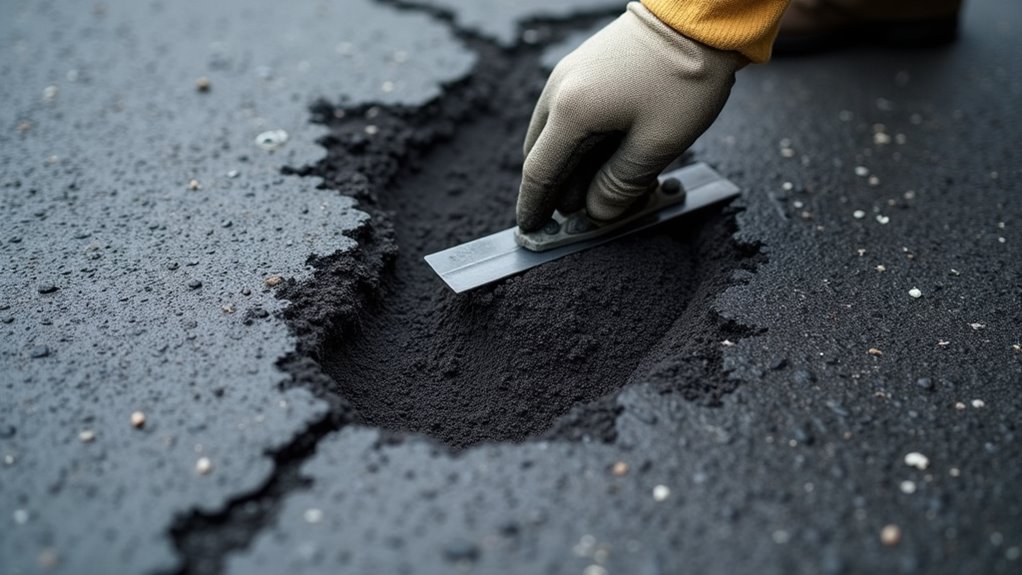
Cold patch repairs require proper surface preparation before you apply any material. Start by removing dirt, debris, and standing water from the pothole or crack using a shovel or broom. Cut crack edges with an angle grinder to 3/4 to 1 inch deep, making them slightly longer and wider than the damage. Clear loose asphalt pieces and blow away smaller debris with a leaf blower.
Pour cold patch into the repair area’s center, building it slightly higher than the surrounding surface. For depths over 2 inches, apply in 2-inch layers, tamping each thoroughly to force out air. Overfill by 1-2 inches above the crack edge. Use a board over the repair and drive your heaviest vehicle back and forth for final compaction. Feather edges for seamless integration.
Mistakes That Make Cold Patch Repairs Fail
Even quality cold patch material fails when you skip critical installation steps. You’ll compromise the repair’s longevity if you neglect surface preparation, use inadequate compaction techniques, or apply product on wet surfaces. Understanding these common mistakes helps you achieve durable patches that withstand vehicle traffic and seasonal temperature fluctuations.
Skipping Surface Preparation
Skipping surface preparation ranks among the most common, and costly, mistakes DIYers make with cold patch repairs. When you bypass this critical step, you’re compromising the bond between the cold mix and existing pavement. Debris, moisture, and loose substrate prevent proper adhesion, causing premature failure.
Before applying cold asphalt, you’ll need to address these surface conditions:
- Debris accumulation, sweep away dirt, dust, and loose aggregate that block material bonding
- Moisture presence, ensure the area’s completely dry, as wet surfaces inhibit adhesive properties
- Loose base material, remove unstable substrate and compact the foundation properly
- Oil contamination, clean petroleum stains that prevent sealant adherence
Proper prep takes time, but it’s non-negotiable for durable repairs. You’ll extend your patch’s service life and avoid costly rework by following industry-standard surface preparation protocols.
Poor Compaction Techniques
When you’ve prepped your surface correctly but still experience patch failure, inadequate compaction is likely the culprit. Cold asphalt requires aggressive compactive effort to achieve proper density. You’ll need to apply significant pressure using a hand tamper, vehicle tires, or plate compactor, single passes won’t cut it.
Temperature directly impacts your compaction window. If ground temperatures drop below 50°F, the material cools too rapidly before you can achieve adequate density. Thin applications exacerbate this problem; a 1.5-inch layer gives you roughly 18-20 minutes of workable time compared to 60 minutes for a 3-inch lift.
Don’t underestimate environmental factors. Wind and cool base surfaces accelerate heat loss from the mix. You must work quickly, applying multiple compaction passes while the material remains pliable above its cessation temperature of approximately 175°F.
Applying on Wet Surfaces
Moisture on your repair surface creates an invisible barrier that prevents cold patch material from bonding to the existing asphalt substrate. You’ll compromise adhesion when water molecules sit between your patch and the base layer, causing premature delamination and repair failure.
Standing water and wet subgrades represent critical failure points in cold patch applications:
- Water trapped beneath the patch prevents aggregate interlock with the existing pavement structure
- Wet conditions accelerate cooling of the binder, reducing workability during compaction
- Moisture infiltration into the subgrade destabilizes your compacted base layer
- Damp surfaces cause sealant materials to lift and separate within weeks
You must guarantee complete surface dryness before application. Use compressed air or allow adequate evaporation time to achieve proper substrate preparation for durable cold patch repairs.
How Long Does a Cold Patch Repair Last?
How long can you expect a cold patch repair to hold up under real-world conditions? Typically, you’re looking at 6 months to 2 years, depending on traffic loads and installation quality. Low-traffic residential driveways with proper compaction can push toward that 2-year threshold, while high-traffic commercial applications often fail within 6 to 12 months.
Several factors directly impact longevity. Freeze-thaw cycles accelerate binder breakdown, and heavy vehicle loads stress the patch beyond its design capacity. If you’ve skipped proper surface prep or didn’t achieve adequate compaction, expect failure in as little as 3 months.
Compare this to hot mix asphalt repairs lasting 8 to 15+ years. Cold patch functions best as a temporary fix, it’ll buy you time until you can schedule permanent repairs with professional-grade materials.
How to Make Your Cold Patch Repair Last Longer
Getting maximum service life from cold patch requires attention to five critical phases: surface prep, layered application, compaction, curing, and post-repair protection.
Maximizing cold patch longevity comes down to mastering five phases, from surface prep through post-repair protection.
- Clean aggressively, Remove all dirt, debris, loose aggregate, and standing water before application to guarantee proper adhesion.
- Build in layers, Fill depths exceeding two inches using two-inch increments, compacting each layer fully before adding the next.
- Compact thoroughly, Use a tamper, cinder block, or vehicle wheel to eliminate voids and achieve surface-level density.
- Seal the repair, Apply asphalt sealer after the 24-48 hour curing period to block water infiltration and UV degradation.
You’ll extend patch longevity by driving over the repair during the first week, which enhances compaction. Cover fresh patches with plywood during initial traffic to prevent material pickup.
When to Hire a Pro for Hot-Mix Instead
While cold patch repairs can extend your driveway’s functional life, there’s a threshold where DIY solutions no longer make economic or structural sense. If you’re dealing with extensive cracking, multiple potholes, or surface degradation exceeding 30% of your driveway area, it’s time to call a professional paving contractor.
Hot-mix asphalt delivers superior aggregate binding and handles regular vehicle traffic loads that cold mix simply can’t sustain. You’ll get 15-20 years of performance with proper maintenance versus weeks or months from cold patch applications. Professional crews bring specialty equipment, pavers, rollers, and access to high-temperature asphalt plants producing material at 300-350 degrees. Hot-mix asphalt delivers superior aggregate binding and handles regular vehicle traffic loads that cold mix simply can’t sustain. When evaluating cold mix vs hot mix asphalt, the performance gap becomes clear in both durability and load capacity. You’ll get 15, 20 years of performance with proper maintenance versus weeks or months from cold patch applications. Professional crews bring specialty equipment, pavers, rollers, and access to high-temperature asphalt plants producing material at 300, 350 degrees.
Yes, upfront costs run higher, but hot-mix installation provides better ROI through reduced maintenance cycles and enhanced durability against extreme weather conditions.
Frequently Asked Questions
Can Cold Patch Asphalt Be Applied in Freezing Winter Temperatures?
Yes, you can apply cold patch asphalt in freezing temperatures, it’s workable down to -5°F when you maintain your stockpile properly. However, you’ll achieve ideal bonding when temps exceed 40°F. In sub-freezing conditions, use polymer-modified cold tar formulations for better performance. Focus on thorough surface prep and aggressive compaction since these factors matter more than ambient temperature. Don’t heat the material, you’ll dry it out and reduce its service life.
Is Cold Patch Asphalt Safe for the Environment Compared to Hot Mix?
Yes, cold patch asphalt is safer for the environment than hot mix. You’ll see approximately 23% lower CO2 emissions and energy consumption compared to mill-and-overlay methods. Cold-in-place recycling (CIR) reduces virgin aggregate use by 37% and cuts water consumption by 20%. You’re also avoiding VOCs, particulate matter, and PAH fumes released during hot mix production. Using reclaimed asphalt pavement (RAP) further minimizes your project’s carbon footprint and resource depletion.
How Much Does Cold Patch Cost per Square Foot for Repairs?
Cold patch asphalt repairs typically cost you $2 to $4 per square foot installed, making it the most budget-friendly repair method available. You’ll pay around $100 to $200 per patch on average, with most contractors charging a minimum service fee of $100 to $250. If you’re tackling a DIY repair, you’ll spend $8 to $20 per 50-lb. bag, which covers approximately 5 to 7 square feet at 1-inch depth.
Can You Apply Sealant Over Cold Patch Asphalt Repairs?
Yes, you can apply sealant over cold patch asphalt repairs, but you’ll need to wait for full cure time, typically around 6 months. Before sealing, perform a tactile feel test: if the patch feels tacky, it’s not ready. Once the surface appears dry with a dull finish, you’re good to proceed. Proper sealer application prevents water ingress, UV degradation, and extends your repair’s longevity while restoring uniform pavement appearance.
Does Cold Patch Work on Concrete Driveways or Only Asphalt Surfaces?
Cold patch works on asphalt surfaces only, it won’t properly adhere to concrete driveways. The material’s formulation is specifically engineered to bond with asphalt’s chemical properties, achieving surface-level adhesion with existing asphalt pavement. Concrete has fundamentally different physical and chemical characteristics, so you’ll experience poor bonding and premature failure if you attempt this application. For concrete driveway repairs, you’ll need concrete-specific patching compounds designed for that substrate.