
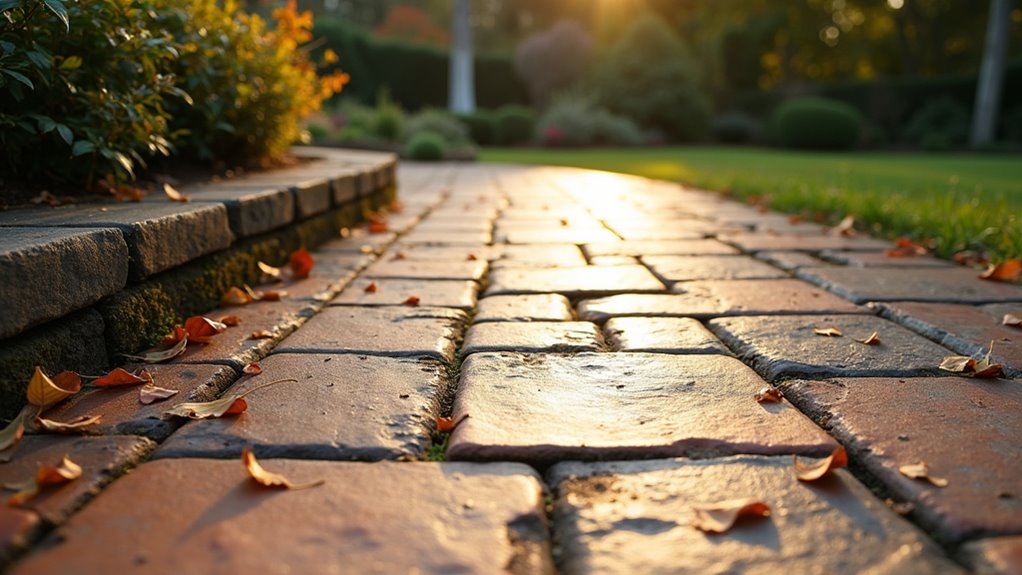
Expect to pay $25 to $45 per linear foot for professionally installed Belgian block driveway edging. A typical 100-foot run costs about $2,500 to $4,500. Blocks alone run $8 to $20 per foot, and labor makes up roughly 40% to 50% of the total. Premium stone or tough sites can push you to $75 per foot. Removing old edging adds $3 to $8 per foot. Your block choice, soil, and layout will shape your final number.
Key Takeaways
- Professionally installed Belgian block driveway edging typically costs $25 to $45 per linear foot, with simple installations starting around $18.
- A 100-foot run of driveway edging generally costs about $2,500 to $4,500, including blocks, base materials, and labor.
- Blocks alone cost roughly $8 to $20 per linear foot, while premium stone can push installed prices to $40 to $75.
- Labor accounts for about 40% to 50% of total cost, covering excavation, base compaction, block setting, and concrete haunching.
- Removing old edging adds $3 to $8 per foot, and curves, poor soil, or restricted access can raise costs further.
How much does belgium block driveway edging cost
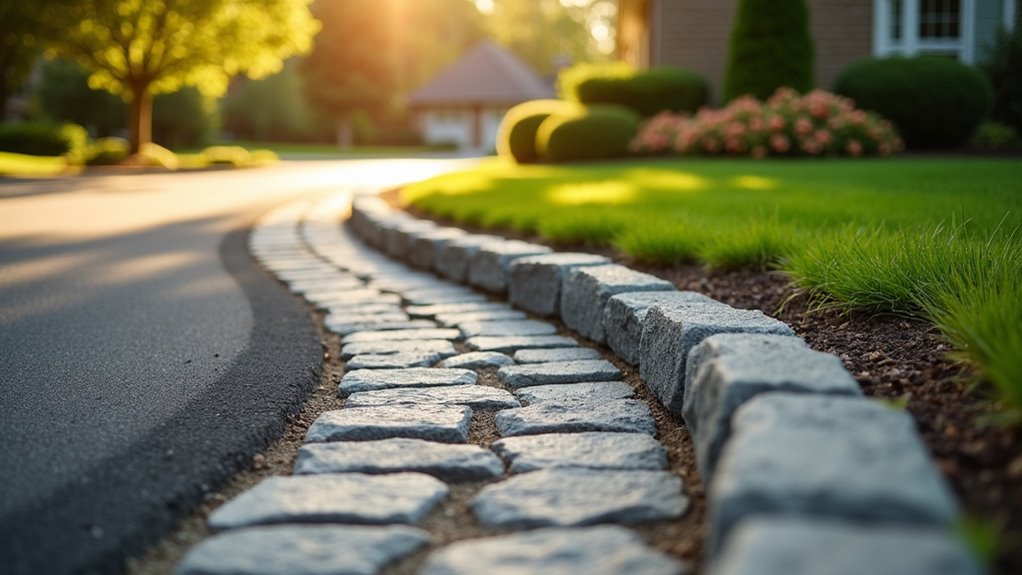
Belgium block driveway edging costs roughly $2,500 to $4,500 for a 100-foot run. Blocks alone cost $8–$20 per foot, gravel and sand add $2 to $5, and labor accounts for roughly 40% to 50% of your total. Expect charges for delivery, permits, and removing old edging, which adds $3 to $8 per foot to your belgian block driveway edging budget. Remember to measure every edge: lining both sides of a 50-foot belgium block driveway equals about 100 linear feet.
What does belgian block edging cost per linear foot
Most professional installations of Belgian block edging cost $25 to $45 per linear foot, a price that covers the blocks, trenching, base preparation, and setting. Published figures vary by market.
| Project Type | Cost per Linear Foot |
|---|---|
| Basic or simple installation | $18 to $30 |
| Typical professional installation | $25 to $45 |
| Premium stone or difficult site | $40 to $75 |
Blocks alone run about $8 to $20 per linear foot, so labor and base materials make up the rest. Gravel and sand add roughly $2 to $5 per foot, and labor often accounts for 40% to 50% of your total. Removing existing concrete or asphalt edging can add another $3 to $8 per foot. To estimate your budget, measure every edge you’ll install. A 50-foot driveway edged on both sides equals 100 linear feet, or about $2,500 to $4,500 at typical rates.
How does block type and quality affect the price
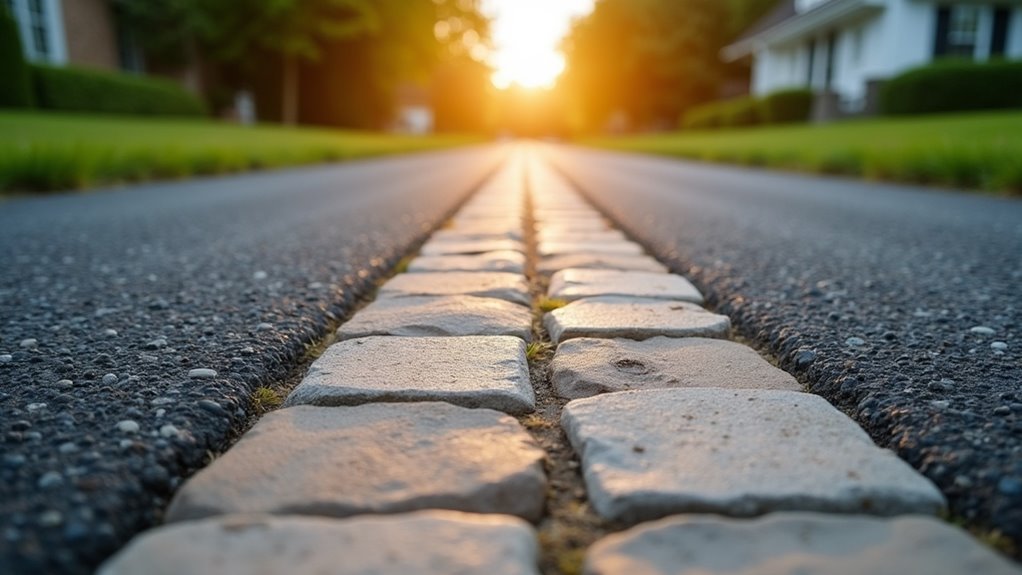
Block type and quality can swing your material cost from about $8 to $20 per linear foot, depending on grade, size, finish, and source. Standard blocks sit at the lower end, and larger or premium blocks and custom finishes push you toward the top. Base materials such as gravel and sand add to that, and one estimate puts them at $2 to $5 per foot.
Premium stone can lift your installed price to $40 to $75 per linear foot in higher-cost markets. A 200- to 250-foot premium project with mortar joints may run $5,000 to $9,000.
Confirm the block size, stone type, and finish in writing as you compare quotes. Each bid should specify identical materials so the price difference reflects labor and scope, not substitutions.
How much does labor and installation add
Labor and installation typically add 40% to 50% to your total cost, which is why installed prices run $25 to $45 per linear foot even though the blocks alone cost $8 to $20. You’re paying crews to excavate, prepare and compact the base, set each block, and finish the joints. A typical trench measures about 12 inches wide and 8 inches deep, and most installers backfill with a concrete haunch to resist vehicle loads. Gravel and sand typically add roughly $2 to $5 per foot.
Expect higher labor charges if your project includes curves, rounded aprons, or decorative patterns that require extra layout and cutting. Removing old concrete or asphalt edging adds $3 to $8 per linear foot, while soft soil demands deeper, costlier excavation.
What site factors raise the total cost
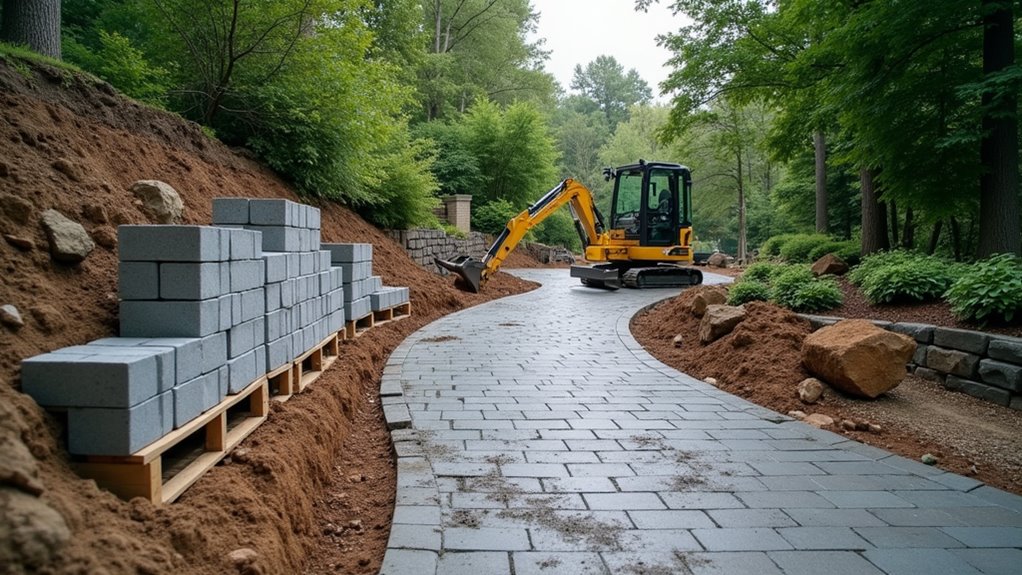
Ground conditions and access often raise the total cost more than the stone itself. If you have existing concrete or asphalt edging, expect removal to add about $3 to $8 per linear foot. Soft or unstable soil and poor drainage call for deeper excavation and extra crushed-stone base, which raises material and labor costs. Curves and rounded aprons take longer to lay out and require more block cutting than straight runs. Restricted access can force smaller equipment or hand work, and longer delivery distances push up hauling fees. High local labor rates matter too, since labor often makes up 40% to 50% of the total. Ask contractors to note these conditions in writing so you’re comparing truly equal scopes.
How does block edging compare in cost to other borders
Professional Belgian block installation typically runs $25 to $45 per linear foot, and because block edging is heavy and labor-intensive, it carries more expense up front, offset by a lifespan that can reach 50 or more years. At that rate, 100 feet costs about $2,500 to $4,500. Blocks alone cost $8 to $20 per foot, base materials add $2 to $5, and labor takes roughly 40% to 50% of the total.
To compare it fairly against other edging options on the same linear footage, request installed per-foot quotes covering excavation, base, setting method, delivery, and disposal, not material cost alone. Concrete haunching adds expense, but it helps block edging resist vehicle loads. Properly installed natural stone can last 50 or more years, so divide each option’s installed cost by its expected lifespan. Also include $3–$8 per linear foot if you’re removing existing concrete or asphalt edging.
How do you get a firm price for your edging
You get a firm price by measuring the total linear footage along every edge you plan to border and asking contractors for an itemized, written quote. Measure every edge, not just the driveway’s length. A 50-foot driveway edged on both sides equals about 100 linear feet. Ask contractors to itemize:
Measure every edge you plan to border, not just the driveway’s length, then request an itemized, written quote for a firm price.
- Blocks, including stone type, size, and grade
- Excavation, trench dimensions, and base depth
- Concrete backing or mortar for the setting bed
- Labor, delivery, and equipment charges
- Removal of existing edging, disposal, and site restoration
Confirm whether drainage work and permits are included, since fees can reach several hundred dollars. Get every specification in writing so you can compare quotes using identical scope. If one bid lists a shallower base or skips concrete haunching for vehicle loads, it’s not truly cheaper. It’s a different, weaker project.
Get a Clear Price for Your Belgian Block Edging
VF Paving provides driveway paving and edging services for homeowners looking to improve the appearance and durability of their driveways. If you’re considering Belgian block edging, the total cost depends on your linear footage, block selection, site preparation, access, and installation requirements. Contact to discuss your driveway and get a project estimate.
Frequently Asked Questions
How Long Does Belgian Block Driveway Edging Typically Last?
With proper installation, your Belgian block edging can last 50 or more years, though results depend on workmanship and site conditions. You’ll get the longest life by setting blocks on a compacted base with concrete haunching, which resists vehicle loads. If you’ve got soft soil or poor drainage, budget for deeper excavation and extra crushed stone. Confirm base depth and concrete backing in your written quote before you sign anything.
Can I Install Belgian Block Edging Myself to Save Money?
Yes, you can, and you’d cut roughly 40% to 50% of the cost, since labor makes up that share. You’ll still pay $8 to $20 per linear foot for blocks plus $2 to $5 for gravel and sand. Expect heavy work: you’ll dig a trench about 12 inches wide and 8 inches deep, compact the base, set each block, and pour a concrete haunch for vehicle loads. Budget separately for compactor rental, delivery, and disposal fees.
Does Belgian Block Edging Need Concrete Backing to Hold Up?
For driveway edges, you’ll want concrete backing. Belgian block is heavy, and concrete haunching is commonly recommended so blocks resist vehicle loads without shifting. You’d dig a trench 12 inches wide and 8 inches deep, compact a gravel base, and set blocks in concrete with a haunch behind them. Skipping it saves money upfront, but you’ll pay later resetting loose blocks. Budget $2 to $5 per foot for gravel and sand, plus concrete.
How Do You Maintain Belgian Block Edging Over Time?
You maintain Belgian block edging by inspecting it each spring for loose, sunken, or tilted blocks and resetting them before movement spreads. Check the concrete haunch for cracks, keep water draining away from the base, and pull weeds from joints. If you see shifting, repair it early; it’s cheaper than rebuilding a section at $25 to $45 per linear foot. Avoid rolling tires over blocks, and your edging can last 50-plus years.
Does Belgian Block Edging Increase Home Value or Curb Appeal?
Yes, it’ll usually boost your curb appeal, but you shouldn’t expect a guaranteed dollar-for-dollar return on home value. Crisp stone borders frame your driveway, and properly installed stone can last 50+ years. You’ll pay about $25 to $45 per linear foot, so 100 feet runs $2,500 to $4,500. Protect that investment: insist on a compacted base and concrete haunching so blocks don’t shift, sink, or look sloppy to future buyers touring your home.