
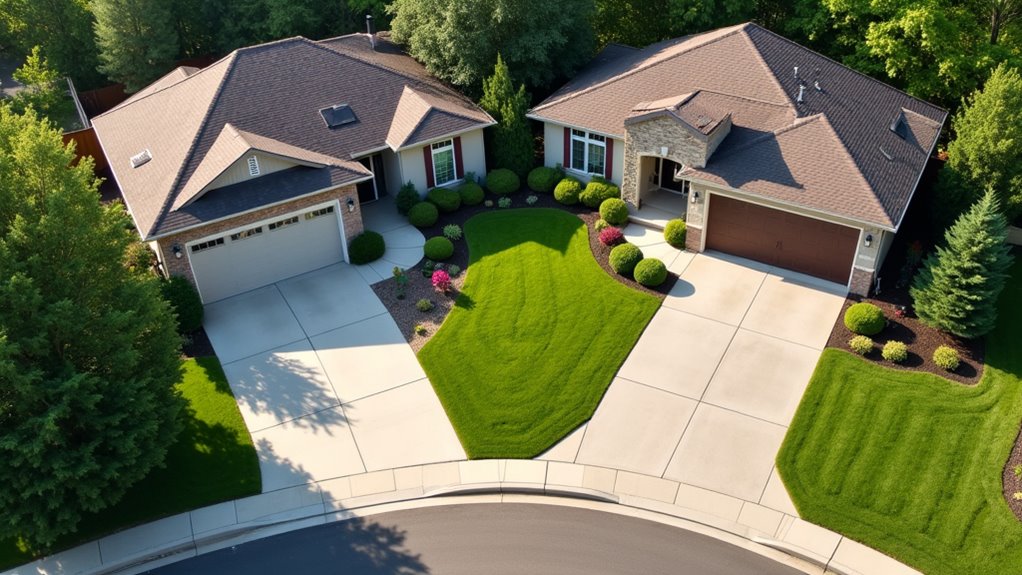
Infrared asphalt repair works when your driveway has isolated, surface-level damage over a structurally sound base. You’ll get seamless results on small cracks, divots, rough patches, and shallow depressions. The process reheats existing pavement, blends fresh material, and compacts it into a durable patch, usually reopening in 20 to 30 minutes. It’s not for alligator cracking, failed base layers, or severe settlement. Aim for temperatures above 40°F and a dry, debris-free area. Here’s what determines your best fit.
Key Takeaways
- Infrared repair works best for isolated, surface-level damage on a structurally sound and stable base.
- Ideal candidates include small cracks, divots, rough patches, and shallow depressions or settled areas.
- The process reheats existing pavement, blends fresh material, and compacts it into a seamless patch.
- It fails for alligator cracking, failed base layers, severe settlement, or water infiltration below the surface.
- Optimal results require temperatures above 40°F and a dry, debris-free area, with reopening in 20 to 30 minutes.
When does infrared asphalt repair work for driveways
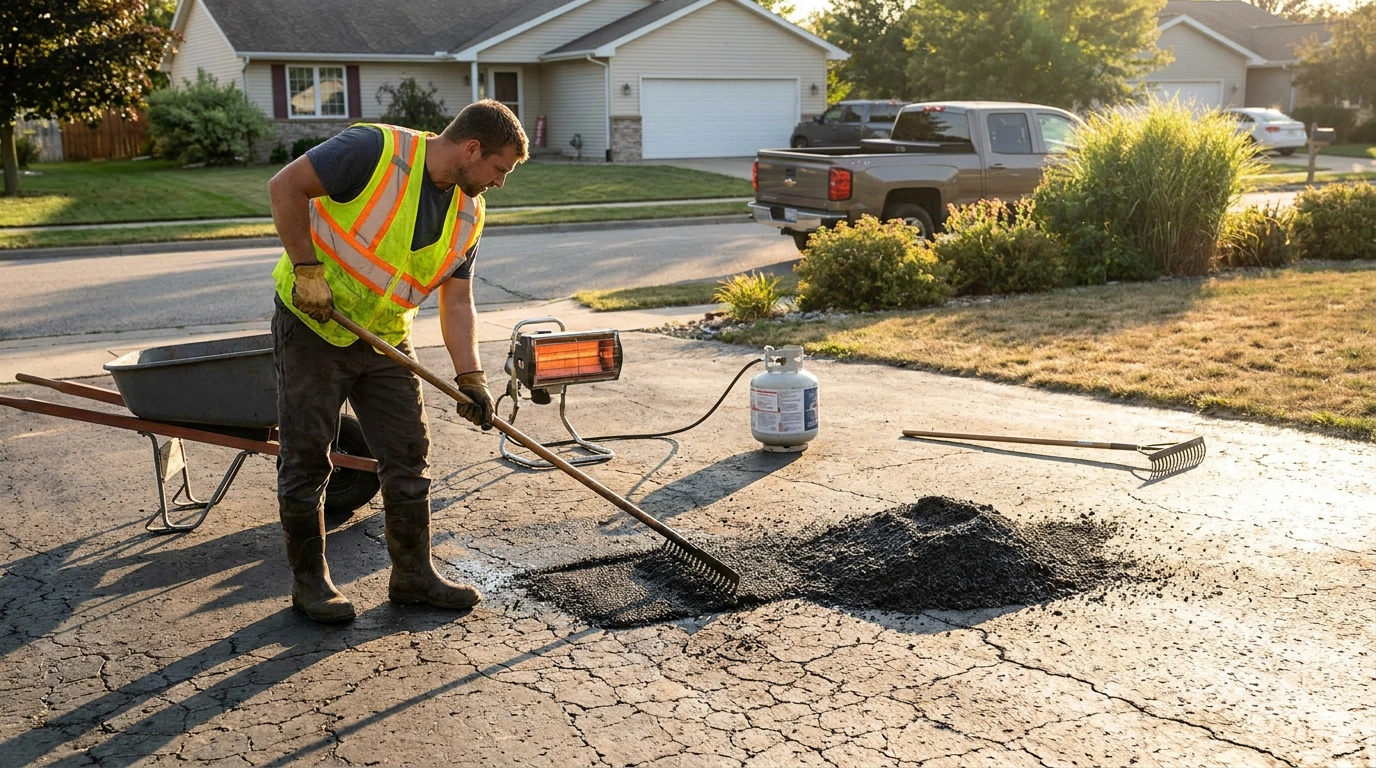
Infrared asphalt repair works for driveways with isolated, surface-level damage sitting on a stable base. If you’re dealing with small cracks, divots, rough patches, shallow depressions, or settled areas, infrared driveway repair blends heated existing asphalt with new material for a seamless patch. Your pavement needs enough structural integrity to reshape rather than rebuild from the base up.
You’ll get the best results when the surface is still bondable and generally sound. Driveway asphalt repair using this method avoids the hard seams that cut-out patches create, and it reopens fast, often 20 to 30 minutes after compaction. Emergency paving service can provide immediate solutions for urgent road repairs. When unexpected damage occurs, it’s essential to have a reliable team ready to restore the surface quickly.
Conditions matter too. Keep the area dry and free of dirt, debris, and standing water, and work above 40°F for optimal bonding and durability.
How does infrared asphalt repair work
Infrared asphalt repair works by heating the existing pavement, blending in fresh material, and compacting it into a seamless patch. The crew positions an infrared heater over the damage and warms the existing asphalt for about 5 to 10 minutes, longer for larger or colder sections. You’ll see the softened surface get raked and mixed, with rejuvenator added to restore bindability in older, oxidized material. If the patch needs more volume, the crew blends in fresh hot asphalt. Next, they grade the area level using a lute or rake, then compact it with a roller or plate compactor. That compaction step drives infrared asphalt patching quality, sealing the blend into the surrounding pavement without hard seams. You’ll typically reopen the area in 20 to 30 minutes. Reduced cutting and hauling keep infrared repair cost lower than full replacement.
Which driveway problems are suitable for infrared repair
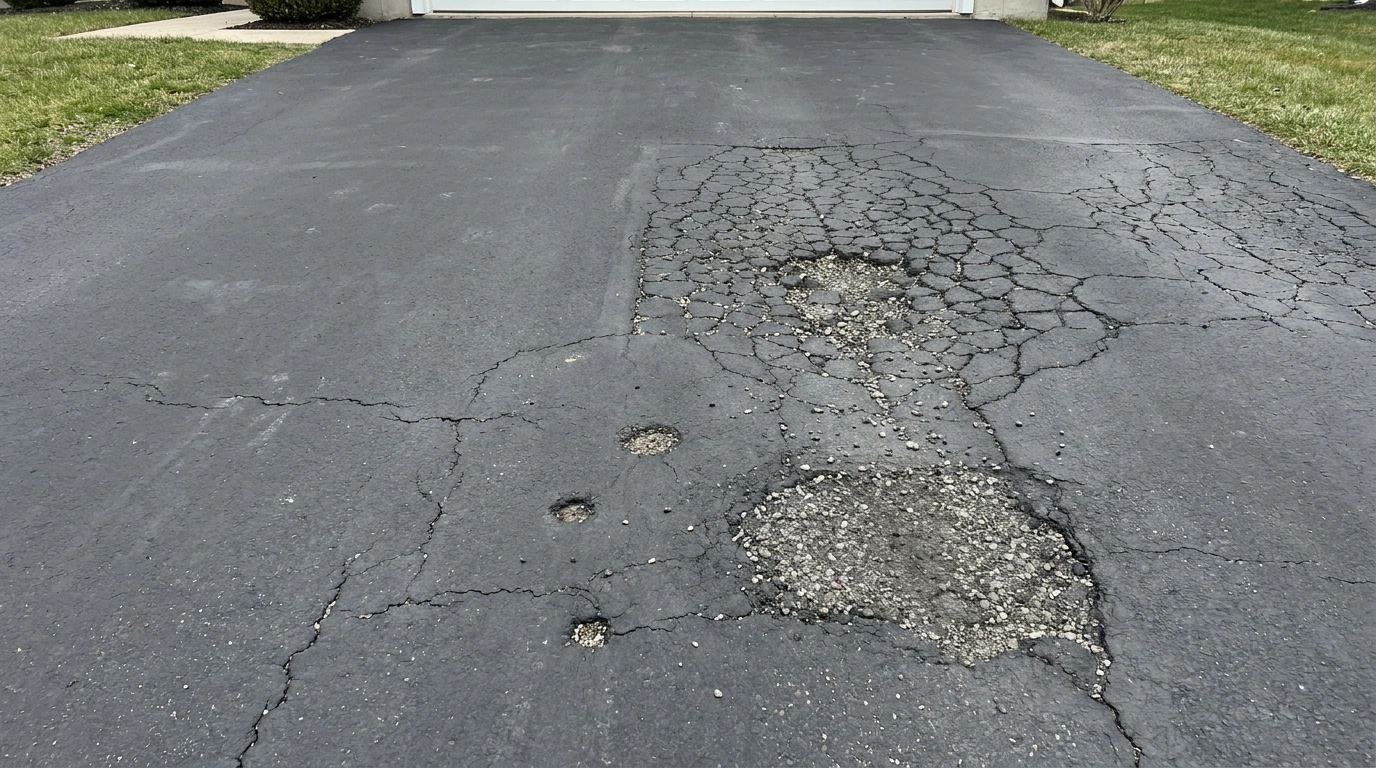
Infrared repair suits isolated, small-to-medium surface damage: small cracks, divots, rough patches, shallow depressions, or settled areas. The method works best when your pavement’s generally sound, because it depends on the existing asphalt still being bondable. If your driveway has a stable base and localized problems, you’re an ideal candidate.
Infrared won’t fix everything, though. Skip it for extensive alligator, block, or fatigue cracking, failed base layers, severe settlement, or water infiltration below the surface. Large potholes and gaping holes need removal and replacement instead. Oxidized, raveled, or fragile asphalt often won’t rebond properly, and coal-tar-sealed surfaces make poor candidates. Match the repair to surface damage, not structural failure. Damaged asphalt repair is often necessary when surfaces show signs of significant wear and tear. It’s important to assess the extent of the damage before deciding on the most effective treatment.
How does infrared repair compare with traditional patching
Infrared repair reheats and reblends your existing asphalt for a seamless surface fix, while traditional patching cuts out and replaces damaged sections for full-depth repair.
| Factor | Infrared Repair | Traditional Patching |
|---|---|---|
| Seam quality | Seamless blend | Hard cut edges |
| Downtime | 20 to 30 min | Hours to days |
| Labor/hauling | Minimal cutting | Cut, haul, replace |
| Best use | Isolated surface damage | Base failure, large holes |
| Depth of fix | Surface only | Full-depth capable |
Infrared reheats and reblends your existing asphalt, so you skip the cutting, hauling, and replacement labor that drives up traditional patching costs. You get a bonded, level surface with no seams to fail later. But it won’t rebuild a failed base. When damage runs deep, traditional full-depth patching still delivers the durable repair you’ll need.
What affects infrared asphalt repair cost
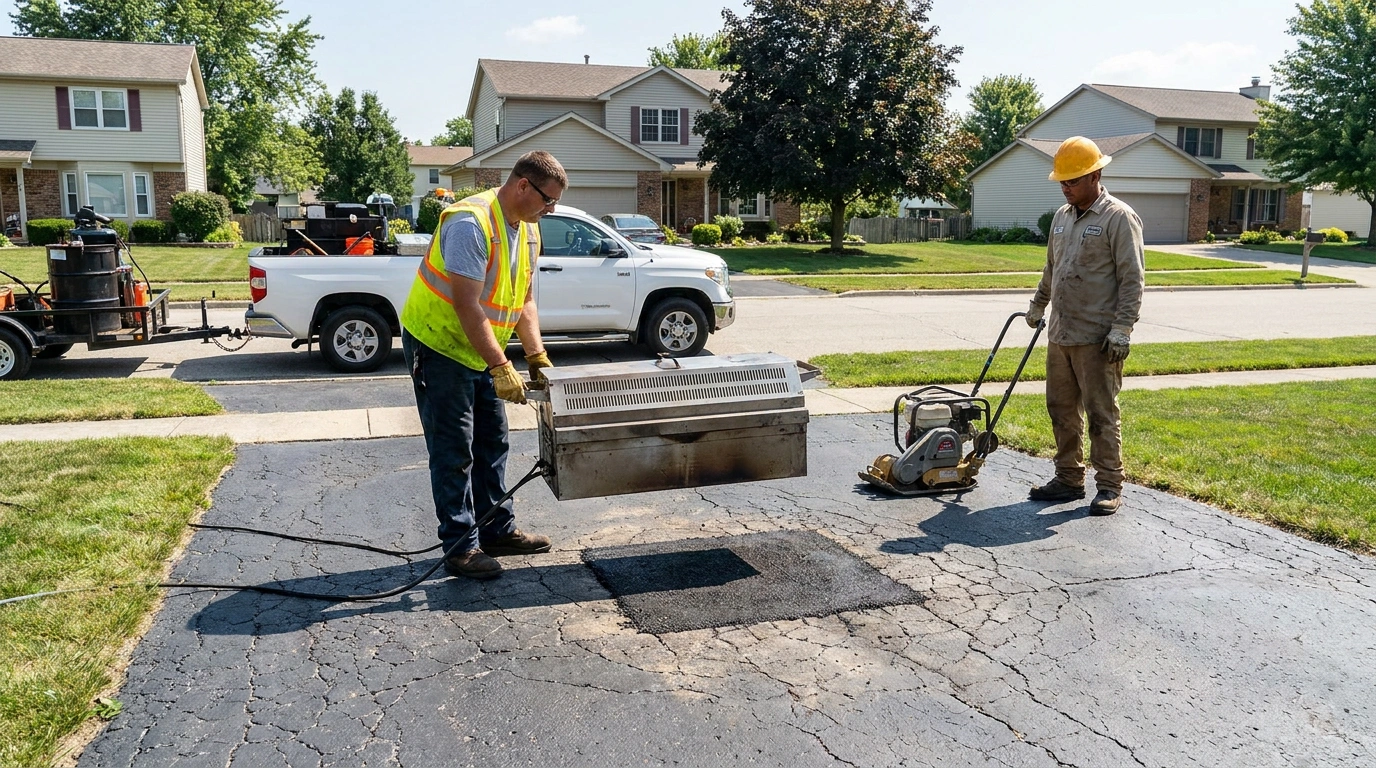 Infrared asphalt repair cost is driven first by patch size, since larger or multiple areas mean longer heating, more fresh asphalt, and additional labor. Cold ambient temperatures below 40°F extend heating times, raising fuel and time costs. Heavily oxidized asphalt needs rejuvenator additives to restore bindability, adding material expense. Your driveway’s condition matters too: if damage borders on base failure or severe settlement, you’ll pay for prep or discover infrared isn’t viable. Access and setup affect pricing, since positioning the heater and compaction equipment takes time. Moisture removal adds steps when surfaces aren’t dry. Compared with cut-out patching, you’re saving on cutting, hauling, and replacement labor. The most efficient jobs restore small, isolated sections on a still-sound, dry, compatible surface.
How do you decide whether infrared repair is worth requesting
Infrared repair is worth requesting when your driveway is fundamentally healthy and the damage stays surface-level. Start with an honest look at your damage type and extent. If you’re dealing with isolated cracks, divots, rough patches, or shallow depressions over a sound base, infrared’s a strong candidate. Check that your existing asphalt is still bondable. Heavy oxidation, raveling, or coal tar sealants signal poor results. Rule out the method if you see alligator cracking, block cracking, large potholes, or signs of base failure and settlement, those need full-depth repair. Confirm the area’s dry, debris-free, and above 40°F for reliable bonding. Weigh the fast reopening time and seamless finish against the reality that infrared won’t fix structural breakdown. When the damage stays surface-level, requesting infrared repair makes practical, cost-effective sense. Drainage-related paving issues can exacerbate surface damage if left unaddressed. It is essential to monitor how water interacts with your pavement and to address any pooling or runoff problems proactively.
Find the Right Repair for Your Asphalt Driveway
Infrared repair can be a smart option when driveway damage is limited to the surface, but deeper cracking, settlement, or base failure may call for a different fix. V&F Paving can assess the condition and recommend the right approach through its residential driveway paving services. Call (203) 624-2449 or request a free estimate to discuss repair, resurfacing, or replacement options for your driveway.
Frequently Asked Questions
How Long Does an Infrared Asphalt Repair Typically Last?
You’ll get the best longevity when you’re patching isolated surface damage over a stable base, which is where infrared repair holds up as a solid maintenance fix. Keep in mind it’s considered temporary if your pavement’s failing underneath, since it won’t cure base breakdown, deep cracking, or heavy oxidation. Your results depend heavily on dry conditions, compatible asphalt, consistent heating, and thorough compaction. Nail those factors, and you’ll maximize how long it lasts.
Can Infrared Repair Be Done During Winter or Rainy Weather?
You’ll get poor results in cold or wet conditions. Keep the surface dry and free of standing water before heating begins, since moisture trapped below prevents proper bonding. Aim for ambient temperatures above 40°F for best blending and compaction. Colder sections take longer to heat, and rain can compromise the patch entirely. If you’re dealing with heavy oxidation from winter exposure, you’ll likely need a rejuvenator to restore bindability first.
Do I Need to Seal the Driveway After Infrared Repair?
Sealing isn’t strictly required, but it’s a smart follow-up step. Since infrared repair reheats and reblends your existing asphalt, applying sealcoat afterward helps protect the fresh surface, restore uniform appearance, and guard against oxidation and water infiltration. Wait until the patch fully cools and cures, then seal when conditions are dry and above 50°F. Don’t use coal tar if your driveway’s asphalt won’t bond well with it.
Is Infrared Asphalt Repair Environmentally Friendly Compared to Replacement?
Yes, it’s generally greener than replacement. You’re reheating and reblending your existing asphalt instead of cutting it out, so you cut hauling trips, disposal waste, and demand for new material. That reduces fuel use and landfill contribution. Keep in mind, it only works when your pavement is still sound, with isolated surface damage over a stable base. For failing bases or widespread deterioration, you’ll need full-depth repair, which eliminates those environmental savings.
Can I Perform Infrared Asphalt Repair Myself as a Homeowner?
You’ll find it challenging without specialized equipment. Infrared repair requires an infrared heater to soften the asphalt evenly, plus a lute or rake, rejuvenator additive, fresh asphalt, and a roller or plate compactor. Additionally, you’ve also got to ensure the area’s dry, spotless, and above 40°F. If you can’t source proper heating and compaction tools, you’re better off hiring a pro who’ll guarantee correct bonding and durable, level compaction.