
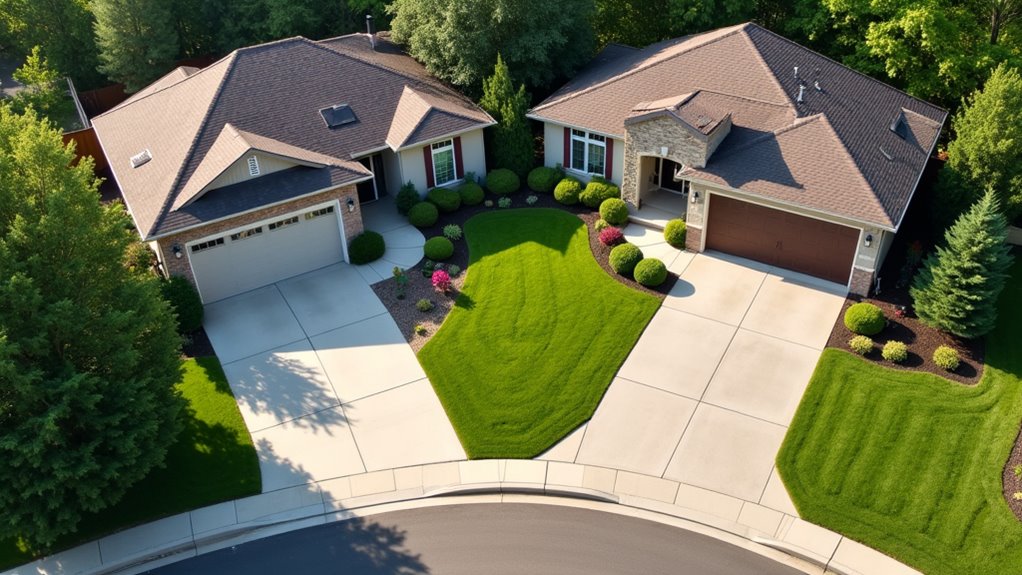
Start by verifying credentials before you sign anything. Confirm state and local licensing, and require proof of insurance covering property damage and worker injury. Check whether your project touches a public right of way, since that triggers jurisdiction requirements. Prioritize contractors who specialize in gravel driveway installation over general garden maintenance. Don’t rely on a bottom-line price. Compare quotes line by line. There’s more you’ll want to know before you commit.
Key Takeaways
- Verify licensing, insurance, and business registration before signing, and review references for consistent long-term reliability.
- Prioritize contractors specializing in gravel driveway installation over general landscapers who occasionally spread stone.
- Require documented driveway-specific experience, reviewing photos of grading, compaction, edging, and finished surfaces.
- Ensure a site inspection determines excavation depth, drainage design, subgrade condition, and material quantities before quoting.
- Demand detailed written quotes specifying excavation depth, base/surface thickness, aggregate type, fabric, and cleanup for line-by-line comparison.
How do you choose a gravel driveway contractor

Choose a gravel driveway contractor by verifying credentials first. Confirm state and local licensing status before you sign any contract, and require proof of insurance to reduce your liability for property damage and worker injury. Check whether your project touches a public right of way, since some jurisdictions mandate a specific contractor class. Prioritize specialization: select a gravel driveway contractor with documented installation experience, not a general *yardscape*. Ask a gravel driveway installation contractor about base layers, dense-graded aggregate, compaction, grading, and drainage. Review project photos showing crowning, edging, and finished surfaces. Request a detailed written gravel driveway quote that defines excavation depth, base and surface thickness, fabric, and cleanup. Compare bids precisely, and reject vague, undefined scopes.
What experience should a gravel driveway contractor have
A gravel driveway contractor should have documented, driveway-specific installation experience, because gravel driveways demand more than material spreading. Review project photos showing grading, compaction, edging, and finished surfaces that demonstrate consistent, durable results. Confirm the contractor works with driveway-specific aggregates, such as dense-graded base material, and understands base layers, surface layers, and regional gravel product names. Asphalt millings driveway installations can also provide a cost-effective solution for homeowners looking for durability. These recycled materials not only enhance the aesthetics of the property but also offer excellent drainage properties.
Prefer a gravel driveway company that routinely handles driveway work rather than general landscapers who occasionally spread stone. Ask the contractor to explain driveway structure, including subgrade preparation, layered placement, and repeated compaction, clearly and precisely. If a candidate can’t articulate these construction steps, treat that as a warning sign. Prioritize proven specialization, because experience directly affects grading accuracy, drainage performance, and long-term surface stability. Permeable driveway systems are becoming increasingly popular due to their ability to manage stormwater and reduce runoff. These systems promote better drainage and contribute to sustainable landscaping practices.
What should the contractor inspect before giving a quote
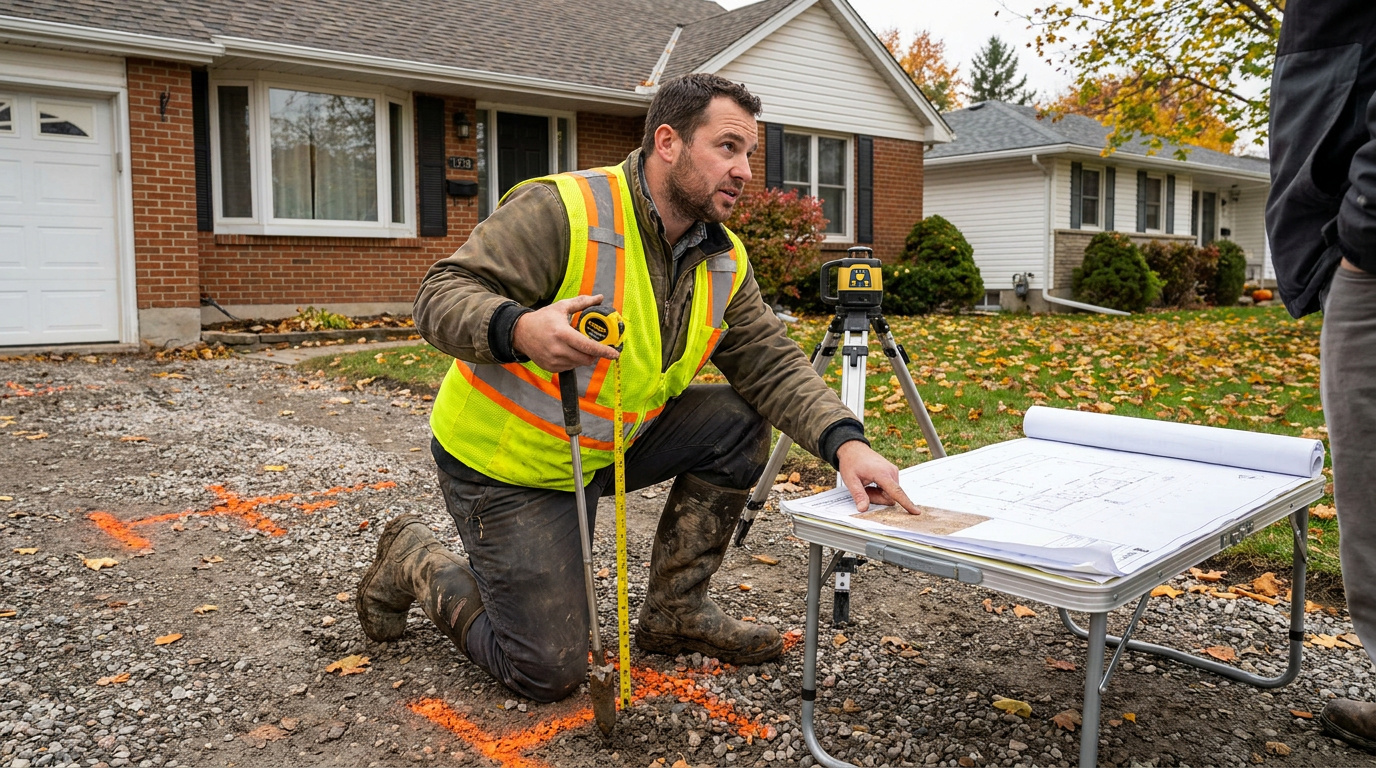
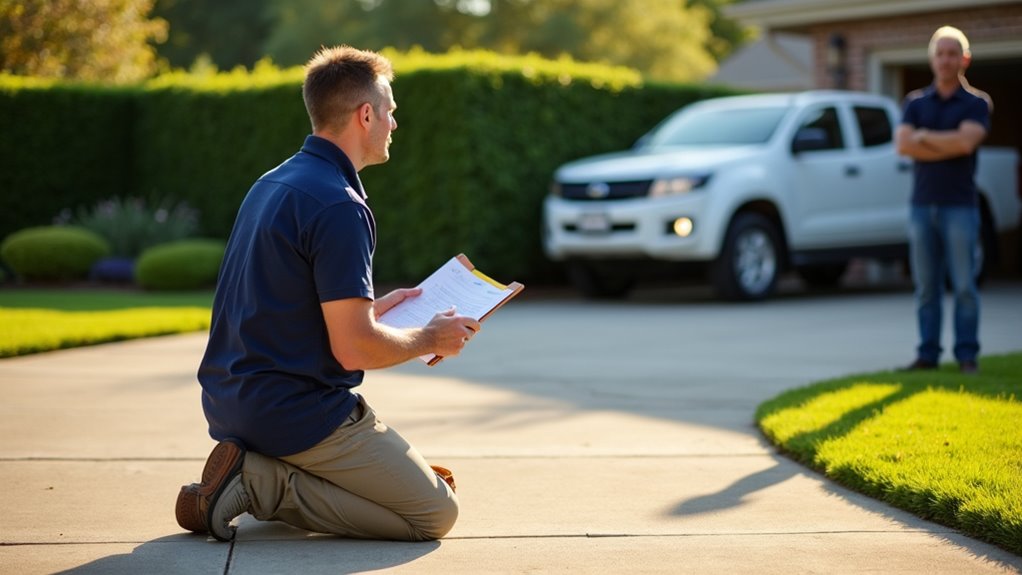
A contractor should inspect the site conditions that determine excavation depth, drainage design, and material quantities. Expect them to evaluate the subgrade for organic material, soft soil, and debris that requires removal before base placement. They should assess existing grading to plan a crown or cross slope that sheds water and prevents pooling or rutting. Ask whether they’ll specify geotextile fabric where soft soil threatens base migration. They should measure the driveway’s dimensions to calculate base and surface layer volumes accurately. Confirm they’ve checked whether the project touches a public right of way, since that may trigger specific contractor-class and permit requirements. A contractor who skips this inspection can’t produce a reliable, regulation-compliant estimate.
Which gravel driveway quote details should you compare
Compare excavation depth, base thickness, surface thickness, and compaction methodology across each bid. Demand a written estimate from every contractor, then compare bids line by line rather than trusting a single bottom-line price. Vague quotes that omit layer structure, aggregate type, or final finish signal risk.
| Quote Element | What to Verify |
|---|---|
| Excavation & Subgrade | Depth, organic removal, compaction |
| Base & Surface Layers | Aggregate type, thickness per layer |
| Grading & Drainage | Crown, cross slope, fabric, edging |
| Logistics | Hauling, delivery, equipment, disposal, cleanup |
Confirm whether each estimate explicitly includes geotextile fabric and edge restraints. Verify that pricing covers hauling, delivery, equipment, and disposal, not just material spreading. Reject bids skipping compaction or drainage planning, since they compromise long-term stability.
What questions should you ask about grading and drainage

Ask the contractor how they’ll grade your driveway to shed water, since proper grading prevents pooling and rutting. Confirm whether they’ll build a slight crown or cross slope to direct runoff away from the surface. Ask how they’ll remove organic material, soft soil, and debris during site prep, and how they’ll compact the subgrade before placing any gravel.
Verify whether they’ll install geotextile fabric to keep base stone from migrating into soft soil. Request specifics on layer-by-layer compaction, since each lift needs proper density for stability. Ask how they’ll manage drainage if your site slopes toward structures or touches a public right of way, where jurisdictions may impose runoff requirements. Finally, confirm they can explain each step clearly and precisely.
How do you verify a contractor before hiring
Verify a contractor’s credentials before signing anything. Confirm state and local licensing status first, since requirements vary by jurisdiction. Request proof of insurance to limit your liability for property damage and worker injury. If your project touches a public right of way, check whether your jurisdiction mandates a specific contractor class. Ask for business registration and evidence of current permit-handling experience.
Don’t stop at paperwork. Review recent customer feedback and request completed-project references, then look for consistent results on grading, drainage, and long-term surface stability. Be cautious of contractors who can’t clearly explain driveway construction steps, and reject bids that skip compaction, subgrade prep, or drainage planning. These omissions signal inadequate qualifications. When evaluating bids, consider asphalt quote considerations carefully. Ensuring that contractors provide detailed breakdowns of costs can help you identify any hidden fees.
Choose the Right Contractor for Your Driveway Project
A reliable gravel driveway starts with proper grading, drainage planning, subgrade preparation, and quality installation. V&F Paving can help evaluate your property and recommend the right approach through its driveway paving services. Call (203) 624-2449 or request a free estimate to discuss your driveway needs, site conditions, and project requirements before work begins.
Frequently Asked Questions
How Much Does a Gravel Driveway Cost per Square Foot?
You should require detailed written estimates that itemize excavation depth, base thickness, surface thickness, and compaction details. Confirm whether hauling, delivery, equipment, and disposal are included. Compare these variables across multiple bids, since professional installations vary widely by region and site complexity. Don’t accept vague quotes that won’t define materials, layer structure, or final finish specifications.
How Long Does a Gravel Driveway Installation Take?
You’ll typically see installation completed in one to three days, though your timeline depends on site complexity. Expect the contractor to sequence excavation, organic material removal, subgrade compaction, geotextile fabric placement, layered aggregate application, and repeated compaction of each lift. Larger driveways, poor drainage conditions, or soft soils extend the schedule. Confirm the written scope defines grading, base thickness, and cleanup, since proper compaction and drainage prep can’t be rushed.
What Is the Best Time of Year to Install a Gravel Driveway?
You’ll get the best results installing during dry, warmer months like late spring through early fall, when stable soil moisture supports proper subgrade compaction. Avoid wet seasons, since saturated soil weakens your base and compromises grading and drainage. Don’t schedule work during freeze-thaw cycles, which destabilize compacted layers. Confirm your contractor’s compaction methods and permit timing align with local conditions, and verify they’ll handle drainage properly before ground moisture increases.
How Often Does a Gravel Driveway Need Maintenance or Regraveling?
You’ll typically regrade your gravel driveway every one to three years, depending on traffic load, drainage performance, and regional weather. Plan on topping up surface aggregate every two to five years as fines migrate and compaction settles. Inspect quarterly for rutting, pooling, and edge spreading, then address issues before they compromise the base layer. If your driveway sheds water properly and stays compacted, you’ll extend these intervals and reduce long-term material costs.
How Long Does a Properly Installed Gravel Driveway Last?
You’ll typically get 10 or more years from a properly installed gravel driveway, provided the contractor compacted the subgrade and each aggregate layer correctly. You’ll extend that lifespan when the installation includes proper grading, a crown or cross slope for drainage, geotextile fabric over soft soil, and edge restraints. You’ll see faster degradation if compaction, dense-graded base thickness, or drainage planning fell short, so verify these specifications before signing.