

The best concrete driveway sealer for most homes, especially in cold climates like Connecticut, is a penetrating silane-siloxane sealer. It soaks into the concrete and repels water and road salt without leaving a slippery film. If oil stains are your main concern, choose a penetrating sealer with fluoropolymer additives. For stamped or colored concrete where you want a richer look, a water-based acrylic sealer is the better fit. Apply any sealer to clean, dry concrete that’s at least 28 days old, on a day above 50°F with no rain in the forecast.
Key Takeaways
- Penetrating silane-siloxane sealers are the best all-around choice for concrete driveways, because they block water and salt without changing the look or making the surface slick.
- Fluoropolymer-enhanced penetrating sealers add oil and stain resistance, which standard silane-siloxane sealers don’t provide.
- Acrylic sealers give a wet or satin look that suits decorative concrete, but they wear faster and need resealing every 1 to 3 years.
- New concrete should cure for 28 days before sealing, and the best sealing weather is dry, above 50°F, with 24 to 48 hours of no rain.
- Penetrating sealers last about 5 to 10 years, and sealing before winter is the best protection against salt damage.
What Is the Best Concrete Driveway Sealer
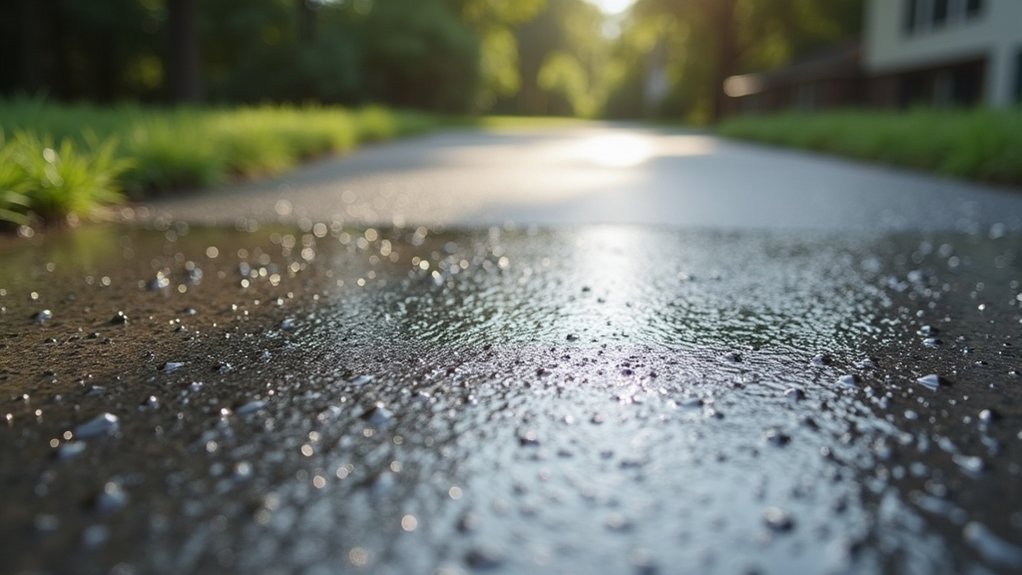
The best concrete driveway sealer is a penetrating silane-siloxane sealer for most homes, because it protects against water, freeze-thaw damage, and road salt while leaving the surface looking and feeling like bare concrete. It soaks into the pores and reacts with the concrete to form a water-repellent barrier below the surface, so there’s no film to peel, scuff, or turn slippery.
The right choice depends on what you need most. Decorative concrete may call for an acrylic. Driveways where cars drip oil benefit from a stain-resistant formula. Epoxy and polyurethane coatings, sold for garage floors, don’t belong on an outdoor driveway at all.
What Are the 3 Best Concrete Driveway Sealers
The three best concrete driveway sealers are penetrating silane-siloxane, fluoropolymer-enhanced penetrating sealer, and water-based acrylic. Each one is the best fit for a different goal.
| Sealer Type | How It Works | Best For |
|---|---|---|
| Silane-siloxane penetrating sealer | Soaks in and repels water and salt from inside the pores | Most driveways, freeze-thaw climates, natural look |
| Fluoropolymer-enhanced penetrating sealer | Penetrates like silane-siloxane, plus repels oil and grease | Driveways with frequent oil drips and stains |
| Water-based acrylic sealer | Forms a thin film on the surface for color and sheen | Stamped, colored, or exposed aggregate concrete |
1. Silane-Siloxane Penetrating Sealer: Best Overall
A silane-siloxane penetrating sealer is the best overall concrete driveway sealer because it gives long-lasting protection with no change in traction or appearance. Silane molecules are small enough to reach deep into the concrete, and siloxane adds water repellence near the surface. Water and dissolved salt bead up and run off instead of soaking in, which is what prevents the scaling and spalling caused by freeze-thaw cycles.
These sealers are breathable, so moisture vapor can still escape from the slab. They usually last 5 to 10 years, and many are approved for highway bridges and parking garages exposed to salt. Look for a product that lists both silane and siloxane, along with its solids content, on the label.
2. Fluoropolymer-Enhanced Penetrating Sealer: Best for Oil and Stains
A fluoropolymer-enhanced penetrating sealer is the best concrete driveway sealer for oil and stains because it repels oil as well as water. Standard silane-siloxane sealers keep water out but don’t stop motor oil from soaking in. Adding fluoropolymers gives the sealer oil-repellent properties, so drips bead up long enough to wipe away.
These sealers cost more but are worth it under parked cars or on light-colored concrete where stains show. They still won’t make concrete completely stain-proof, so clean drips promptly. Our guide on how to clean car oil off a concrete driveway covers stains that get through.
3. Water-Based Acrylic Sealer: Best for Decorative Concrete
A water-based acrylic sealer is the best concrete driveway sealer for decorative concrete because it forms a film that deepens color and adds a satin or wet look. That’s why acrylics are standard on stamped, colored, and exposed aggregate driveways.
The tradeoff is durability. Acrylic films wear under tires, can get slippery when wet unless you add a grip additive, and usually need resealing every 1 to 3 years. They also don’t protect against salt as deeply as penetrating sealers. For plain broom-finished driveways, a penetrating sealer is the better choice.
The best sealer is the one that matches your driveway. Plain concrete needs protection you can’t see. Decorative concrete needs protection you can.
Why Aren’t Epoxy and Polyurethane Used on Concrete Driveways
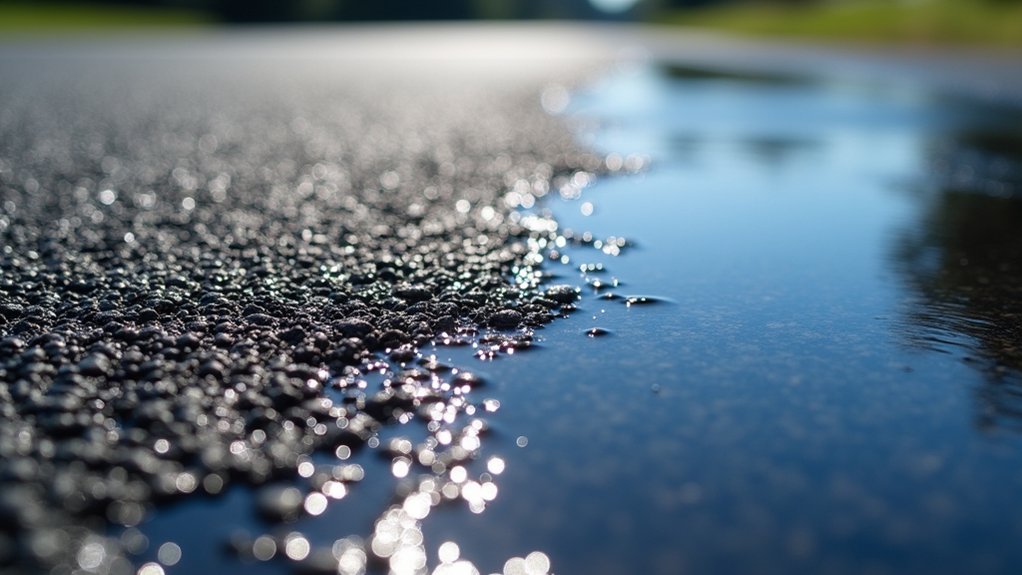
Epoxy and polyurethane aren’t used on concrete driveways because they’re thick, non-breathable coatings designed for indoor garage floors. Outdoors, they trap moisture in the slab, turn yellow in sunlight, peel under hot tires, and become dangerously slick in rain and ice. They can also lift off in sheets when water freezes beneath them.
If you’re looking for a decorative finish beyond sealing, our guide to concrete driveway coating options compares products made for outdoor use.
When Should You Seal a Concrete Driveway
You should seal a concrete driveway once it’s at least 28 days old, on a dry day above 50°F, ideally in late summer or early fall before road salt season. Timing affects how well the sealer soaks in and how long it lasts.
- New concrete: Wait 28 days for the concrete to cure, unless the sealer’s label says it can go on sooner.
- Weather: Apply when the air and the concrete are above 50°F and rising, with no rain for 24 to 48 hours before and after.
- Surface: The concrete must be fully dry. Wait 24 to 48 hours after pressure washing or rain.
- Season: In Connecticut, late August through early October is ideal, since it protects the driveway before the first salt and freeze-thaw cycles.
- Time of day: Avoid direct midday sun on hot days, which can make the sealer dry before it soaks in.
How Do You Seal a Concrete Driveway
You seal a concrete driveway by cleaning it thoroughly, repairing cracks, letting it dry, and applying a penetrating sealer with a low-pressure sprayer until the surface stops absorbing. Here’s the process:
- Pressure wash the driveway and degrease any oil stains. Our guide on how to clean a concrete driveway covers the details.
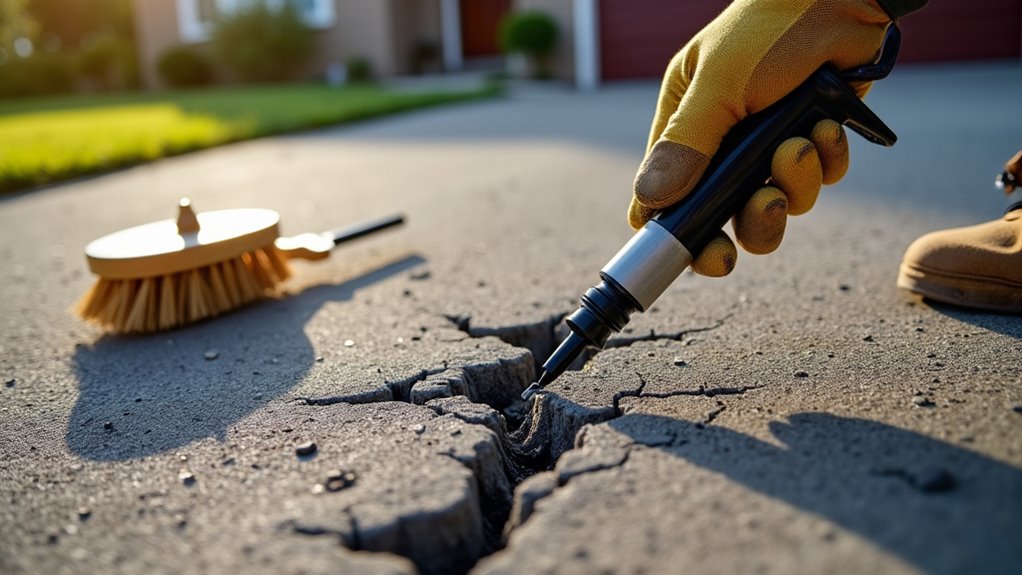
- Fill cracks and repair damaged spots. See how to repair a cracked concrete driveway.
- Let the concrete dry for 24 to 48 hours.
- Mask off siding, garage doors, plants, and asphalt where the driveway meets the street.
- Spray the sealer with a low-pressure pump sprayer, working in sections, until the concrete is evenly wet.
- Brush or roll out any puddles so they don’t leave shiny or dark spots.
- Apply a second coat if the label calls for it, usually wet-on-wet, while the first coat is still damp.
- Keep foot traffic off for a few hours and cars off for 24 to 48 hours.
Acrylic sealers go on in thin coats with a roller or sprayer, and cars need to stay off for 48 to 72 hours, depending on the product.
How Often Should You Seal a Concrete Driveway
You should seal a concrete driveway every 5 to 10 years with a penetrating sealer, or every 1 to 3 years with an acrylic sealer. Heavy traffic, road salt, and sun exposure shorten those intervals.
The simplest test is water. Sprinkle water on the driveway, especially in tire paths. If it beads up, the sealer is still working. If it soaks in and darkens the concrete within a minute or so, it’s time to reseal. A well-maintained concrete driveway can last 25 to 40 years, and sealing is one of the easiest ways to reach the long end of that range. See our guide on how long concrete driveways last.
Can You Use Concrete Sealer on an Asphalt Driveway
No. Concrete sealers aren’t made for asphalt and won’t protect it. Asphalt driveways need an asphalt sealcoat, usually an asphalt emulsion, which forms a protective layer against sun, water, and oil. Our guide to oil stains on asphalt vs concrete explains why the two surfaces need different products.
For asphalt, see our breakdown of driveway sealcoating cost, and our guide on how to seal a driveway yourself if you’re doing it on your own.
Protect Your Driveway With the Right Sealer
The right sealer, applied at the right time, keeps a concrete driveway safe from salt, water, and stains for years. V&F Paving can recommend the right sealer for your driveway and handle cleaning, repairs, and sealing through its driveway sealing services. Call (203) 624-2449 or request a free estimate to discuss your driveway, its condition, and sealing options.
Frequently Asked Questions
Can You Apply New Sealer Over an Old Concrete Sealer?
It depends on what’s already there. Penetrating sealers can usually be reapplied over older penetrating sealers once water stops beading. Acrylic sealers can go over acrylic, but if the old coat is peeling or cloudy it should be stripped first. Penetrating sealer won’t soak through an acrylic film. If you’re not sure, try the water test, or wipe a small spot with xylene: if it turns tacky, the old coat is acrylic.
Are Concrete Driveway Sealers Safe for Pets and Children?
Most concrete driveway sealers are safe once they’ve dried and cured. Keep pets and children off the surface during application and until it’s dry, usually several hours to a day, and follow the label’s guidance. Water-based sealers have lower fumes than solvent-based ones. Store leftover sealer out of reach, and keep runoff out of gardens and storm drains.
Will Sealer Prevent Oil Stains on a Concrete Driveway?
A standard penetrating sealer slows oil from soaking in but won’t stop it. A fluoropolymer-enhanced sealer repels oil, giving you time to wipe up drips before they stain. No sealer makes concrete completely stain-proof, so clean spills promptly. Our guide on how to clean an oil spill on a concrete driveway covers what to do if a stain sets in.
How Long Should You Keep Cars Off a Sealed Concrete Driveway?
Keep cars off a concrete driveway for 24 to 48 hours after applying a penetrating sealer, and 48 to 72 hours after an acrylic sealer. Foot traffic is usually fine after a few hours once the surface is dry. Cool or humid weather slows drying, so allow extra time in the fall and check the label for the product’s exact times.
Does Sealing Stop Salt Damage on a Concrete Driveway?
Sealing greatly reduces salt damage but doesn’t eliminate it. A penetrating silane-siloxane sealer keeps salty water from soaking into the concrete, which prevents most of the scaling and flaking caused by freeze-thaw cycles. Use sand instead of salt during the first winter after pouring, avoid deicers containing ammonium nitrate or ammonium sulfate, and reseal when water stops beading.