Driveway & Paving Guides
Parking Lot Line Striping: Safer, Longer-Lasting Pavement Markings
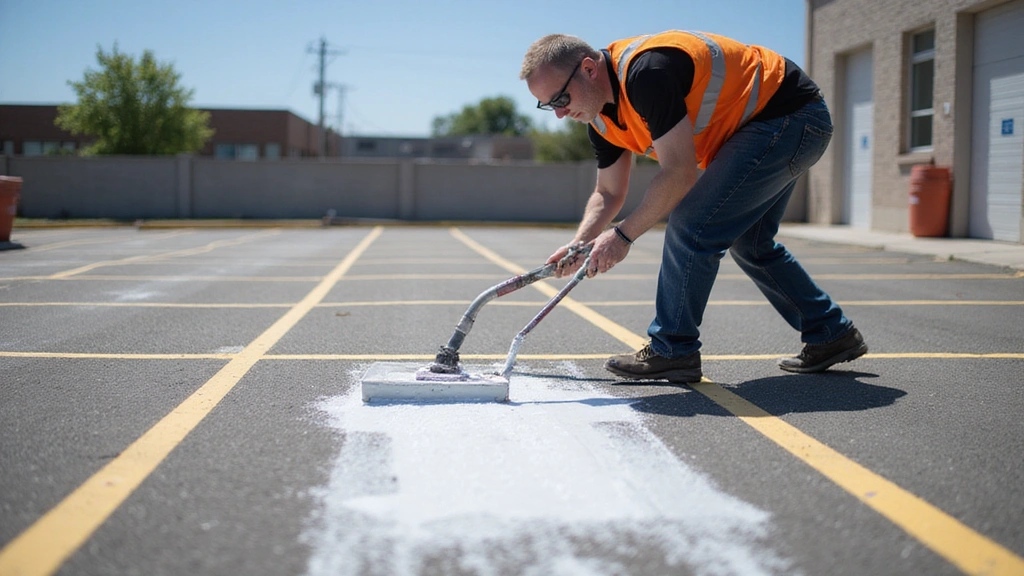
Parking lot line striping delivers durable, high-visibility markings that boost usable capacity by up to 20% and improve safety.

Parking lot line striping delivers durable, high-visibility markings that boost usable capacity by up to 20% and improve safety.
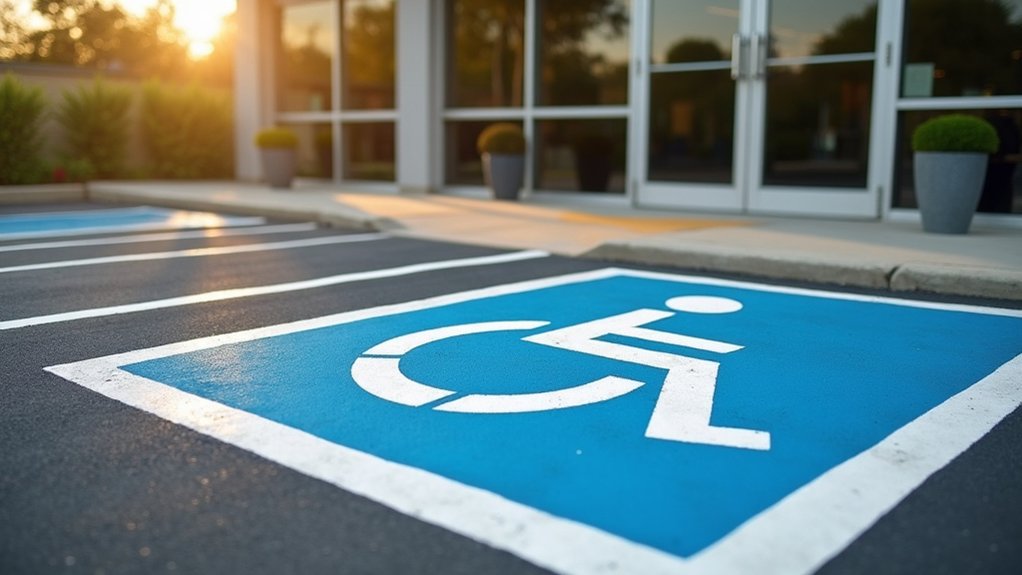
Accessible parking design that goes beyond compliance to welcome every customer, reduce stress, and build lasting loyalty for your business.
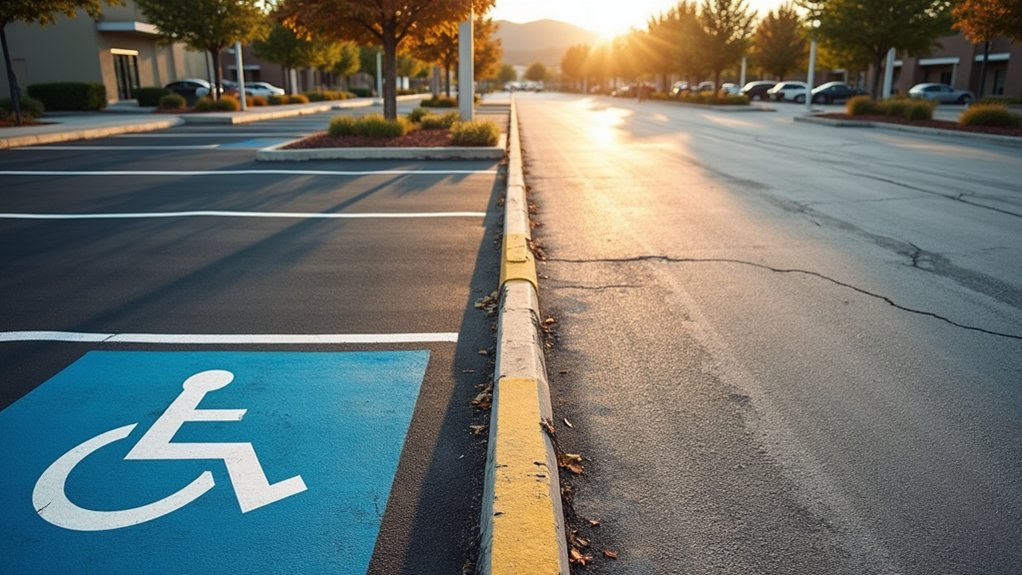
ADA parking upgrades are required for new lots and certain alterations like resurfacing, but not routine maintenance. Learn where your project stands.
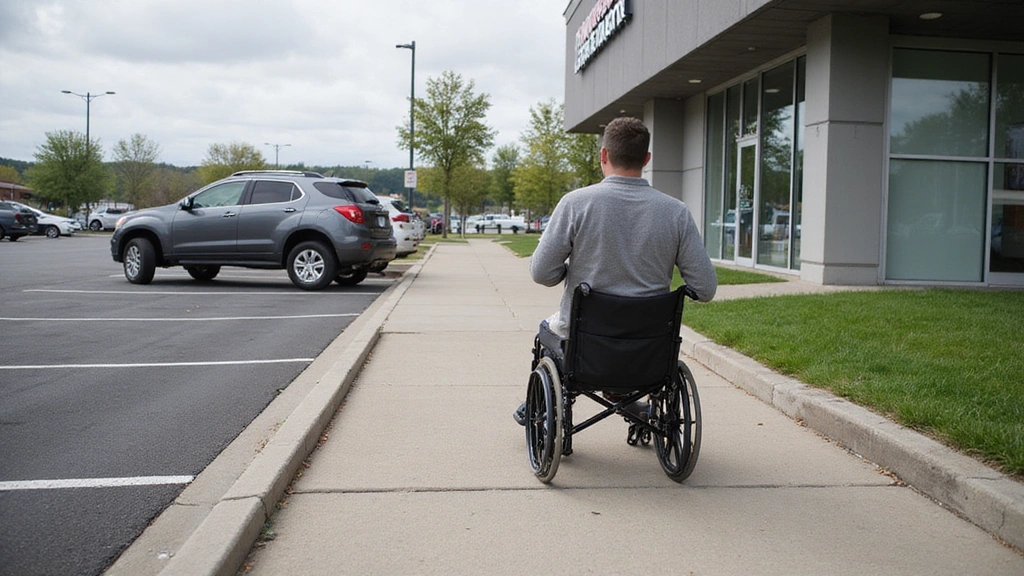
ADA parking requirements vary by property type. Learn the exact scoping formulas for offices, healthcare, retail, and assembly spaces.
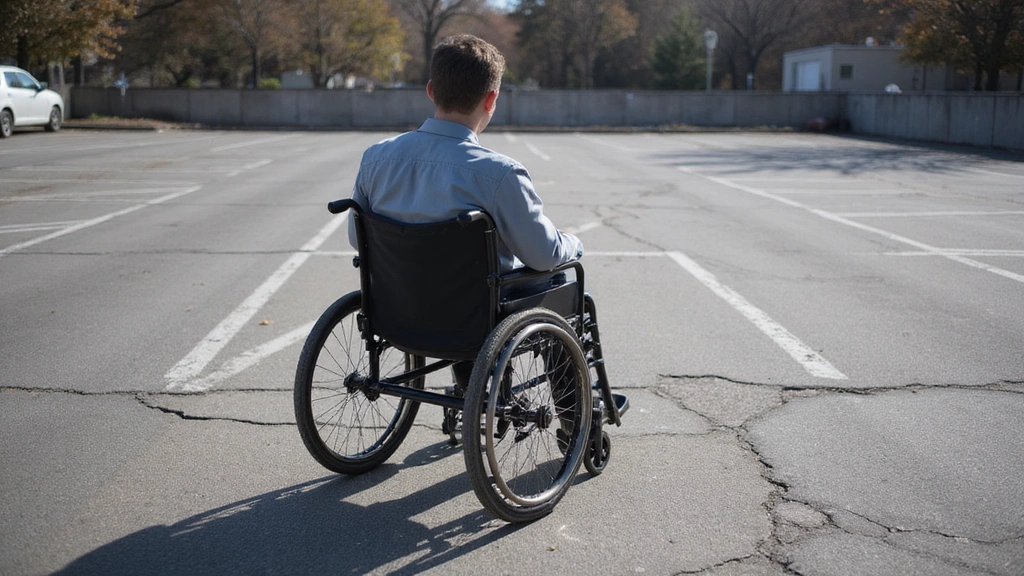
ADA parking lot upgrades: identify faded symbols, cracked pavement, and undersized signs to prioritize compliance fixes fast.
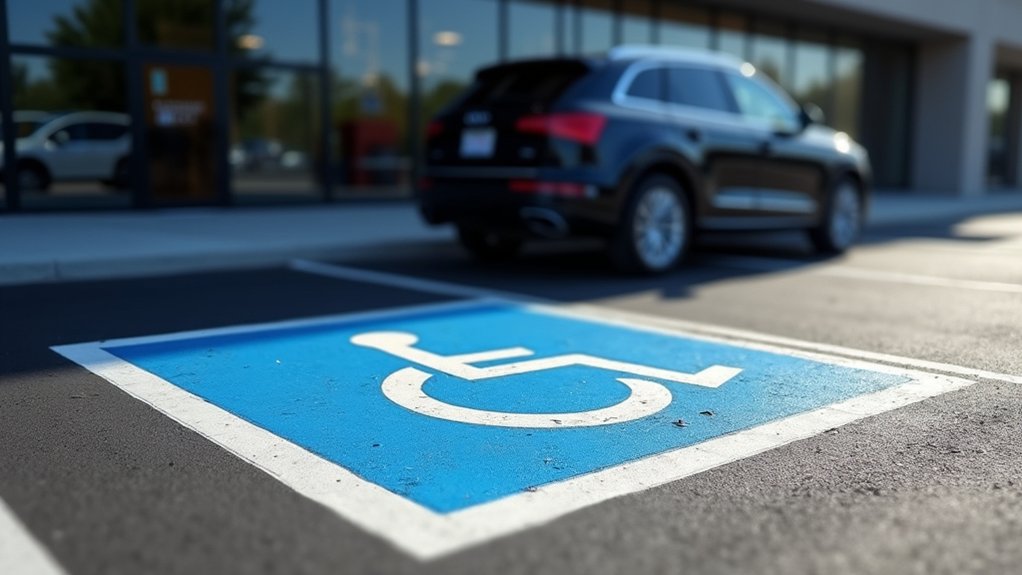
ADA parking violations can trigger lawsuits and fines up to $75,000. Learn the requirements to protect your business from costly legal risk.
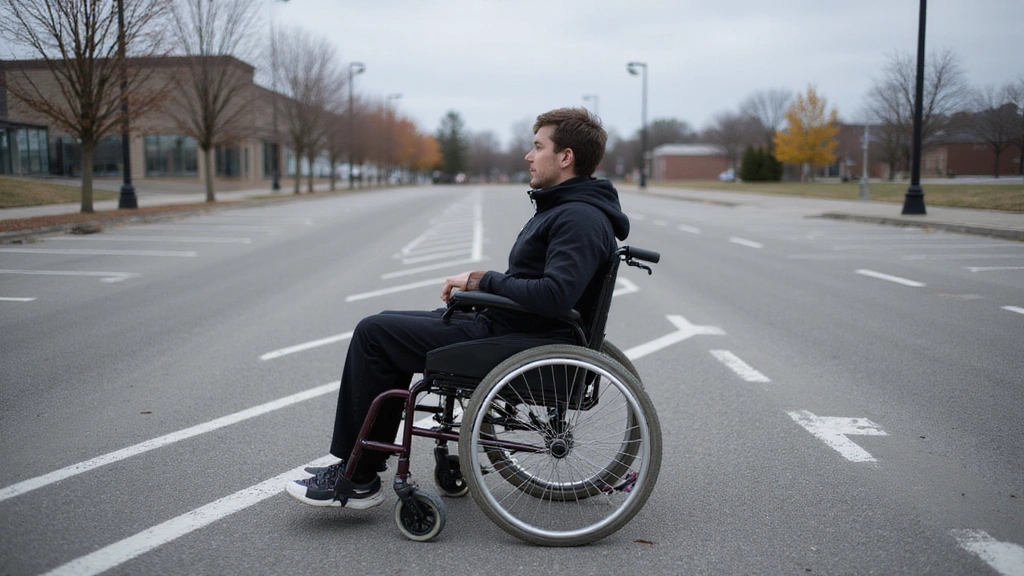
Accessible parking design guide: create a safe, barrier-free path from car to door with correct widths, slopes, surfaces, and signage.
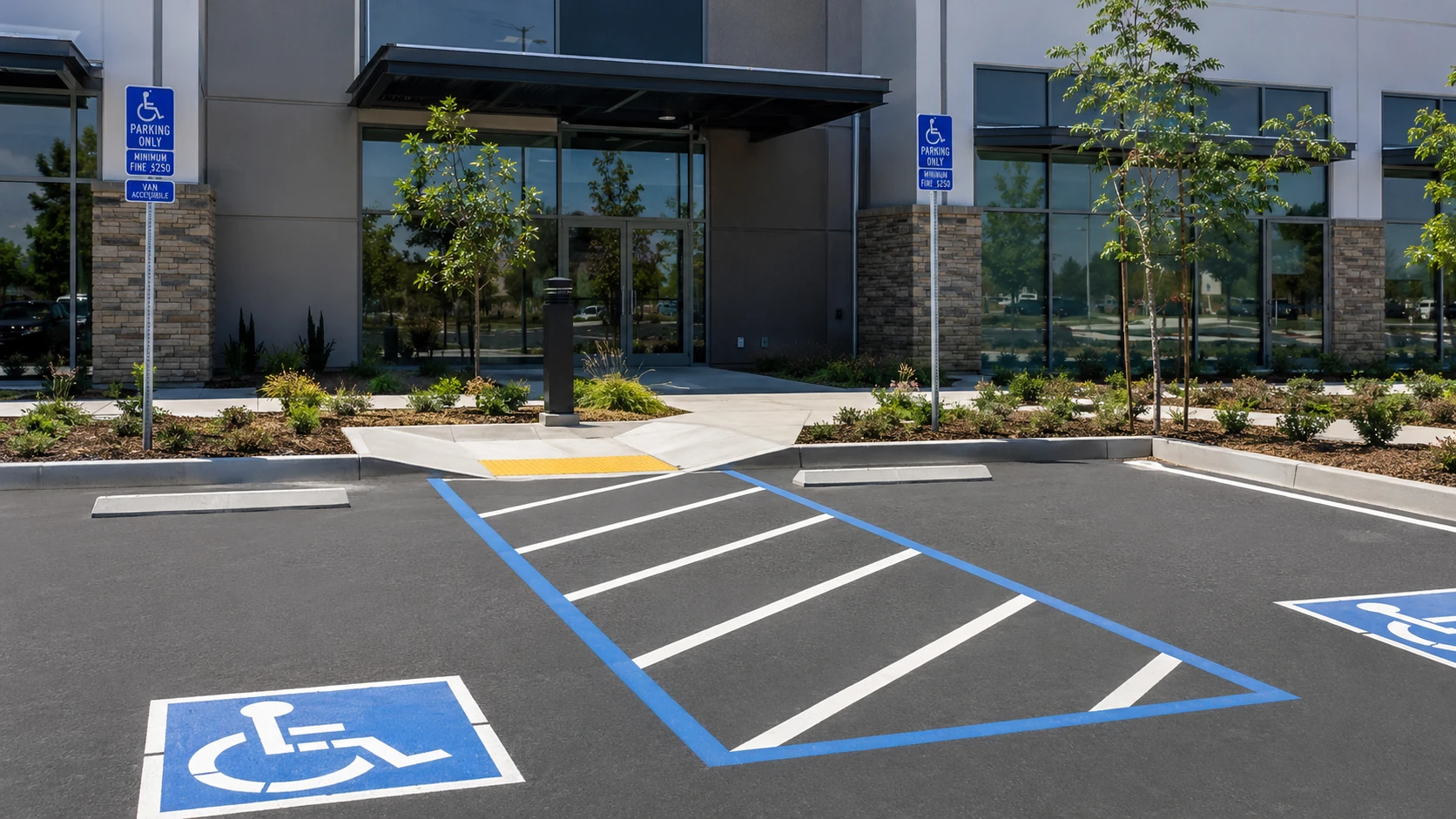
ADA parking lot compliance made simple. Get exact space dimensions, aisle widths, slope limits, and signage requirements for your commercial property.

Master the basics of asphalt overlay costs, lifespan, and installation—but one hidden benefit might change how you approach your next project.
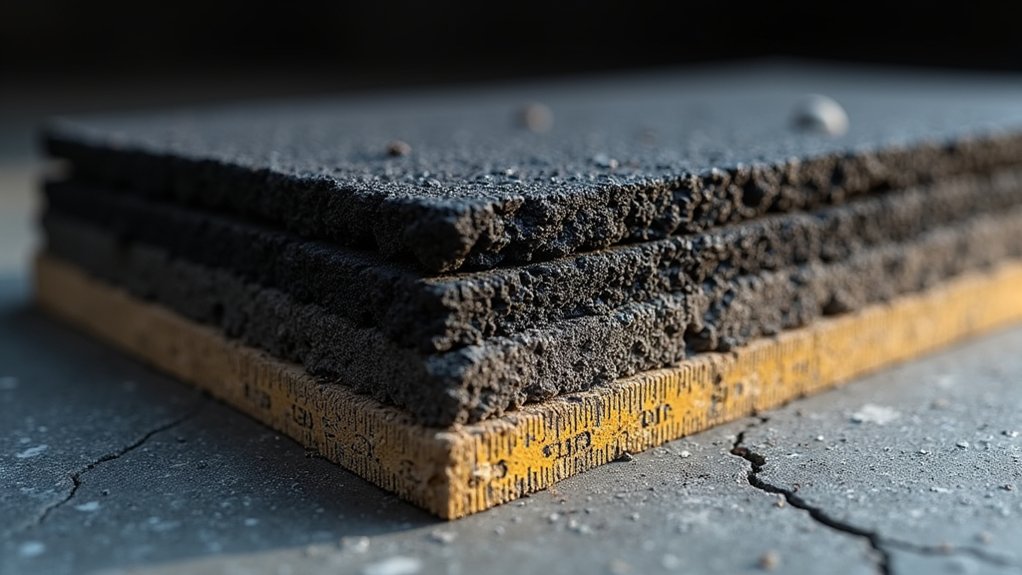
Learn the exact asphalt overlay thickness your project demands—one wrong inch could compromise everything you’ve built.
Find out why asphalt overlays last 8–15 years on average—and the hidden factor that could cut yours short.
Cut your asphalt overlay costs by up to 50%, but hidden expenses could erase your savings unless you know this.
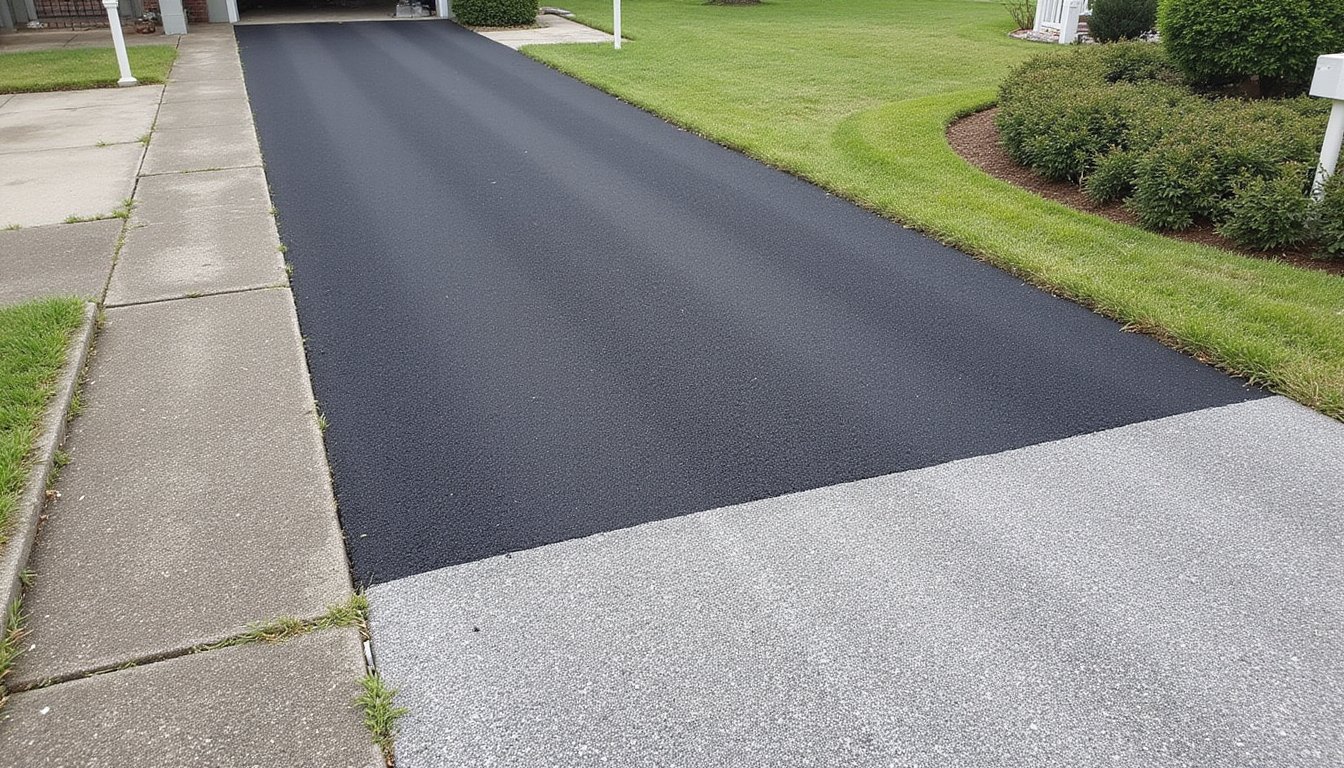
Concrete overlay on asphalt works—but skip one critical step, and the whole surface could crack within months.
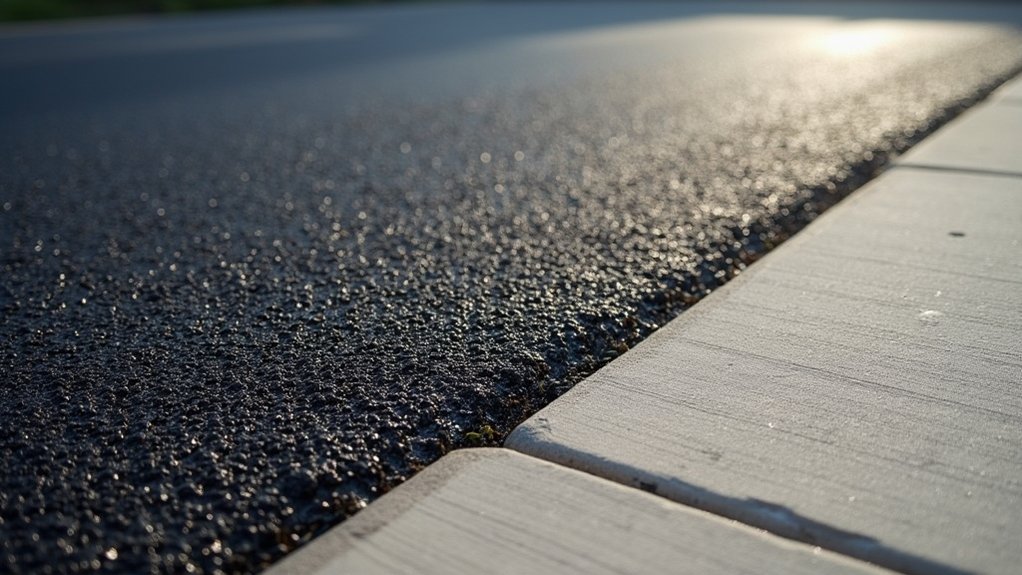
Here’s the complete guide to installing asphalt overlay on concrete—but one overlooked step could compromise your entire project.
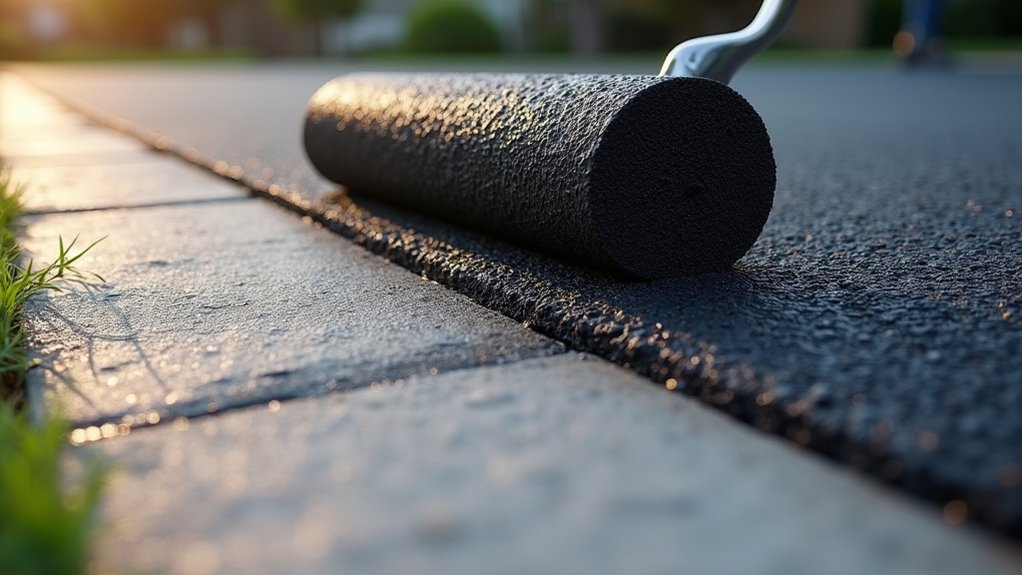
Just one hidden flaw in your concrete could doom an asphalt overlay—discover what experts check before paving.
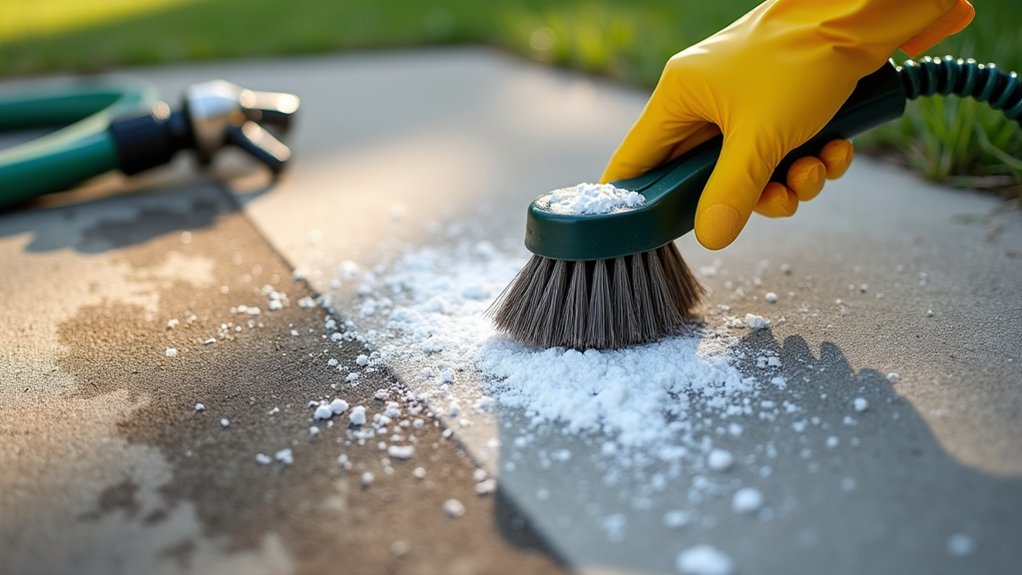
Discover the surprisingly simple trick that lifts stubborn oil stains off your concrete driveway in minutes—but only if you act now.
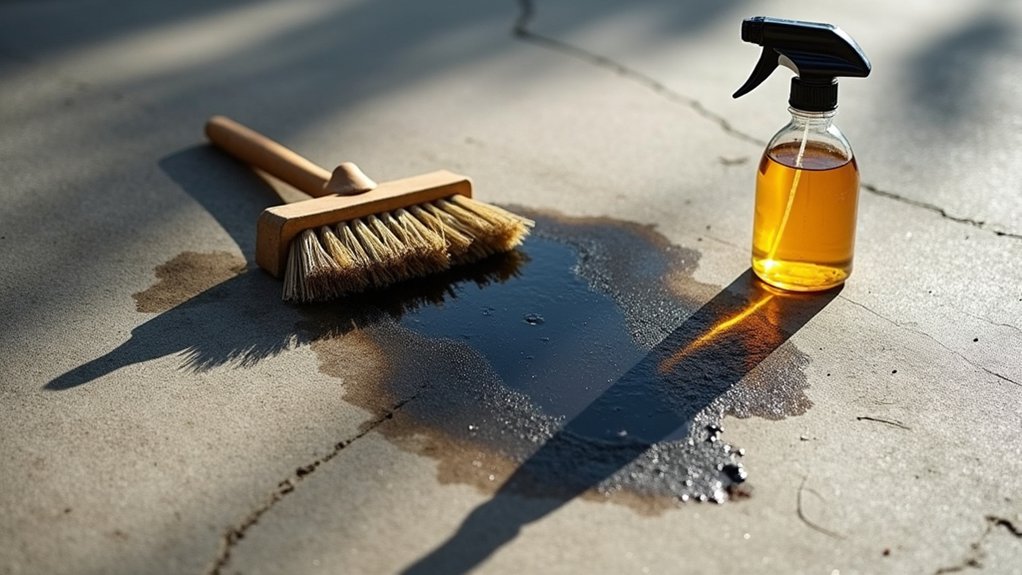
Want to remove that ugly oil stain from your driveway in minutes? This simple kitchen-staple method works, but stubborn stains need something stronger.
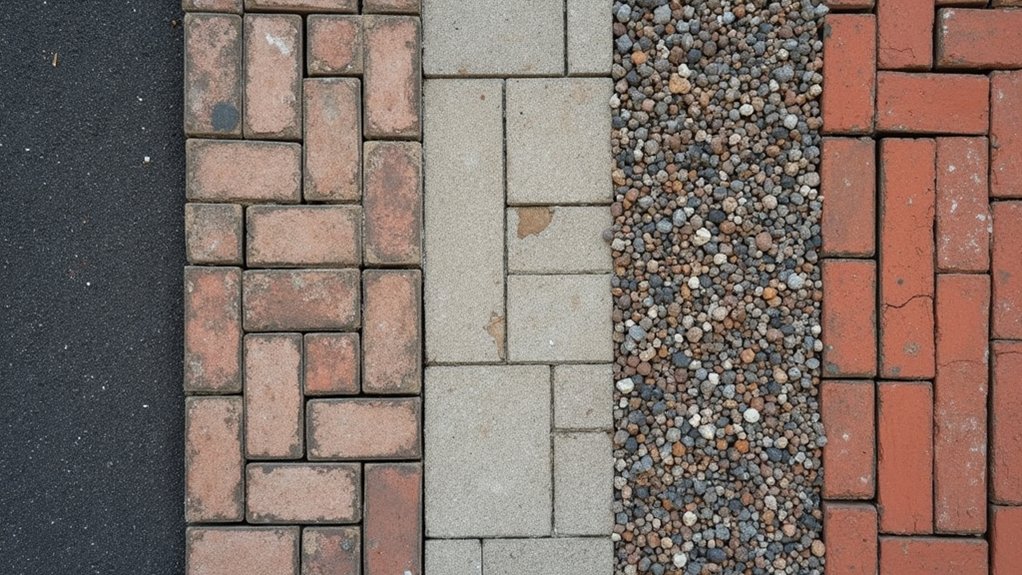
Unsure which driveway material fits your budget and climate? The best option might surprise you when you compare.

Discover why asphalt temperatures can exceed 350°F and what happens when your mix drops below the critical threshold.

Not all asphalt repairs are created equal—discover why one option outlasts the other by decades and which factors matter most.
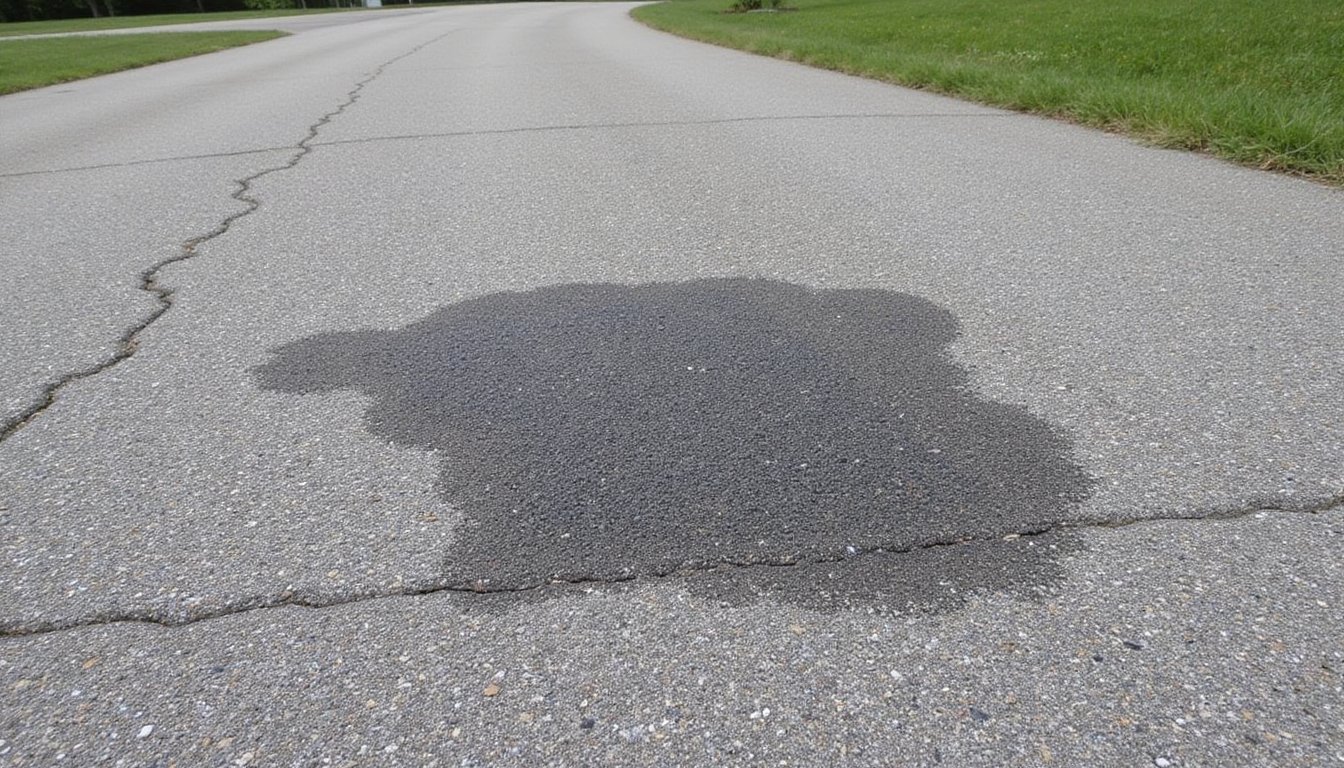
Have stubborn oil stains ruined your asphalt driveway’s appearance? Discover the surprising household items that eliminate them completely.

Banish stubborn oil stains from your asphalt driveway with proven removers that actually work—but timing changes everything.

Conquering stubborn oil stains on your asphalt requires specific techniques that most homeowners overlook—discover the method professionals swear by.

Fresh oil stains on asphalt seem impossible to remove, but one common household item works overnight—if you avoid this costly mistake.
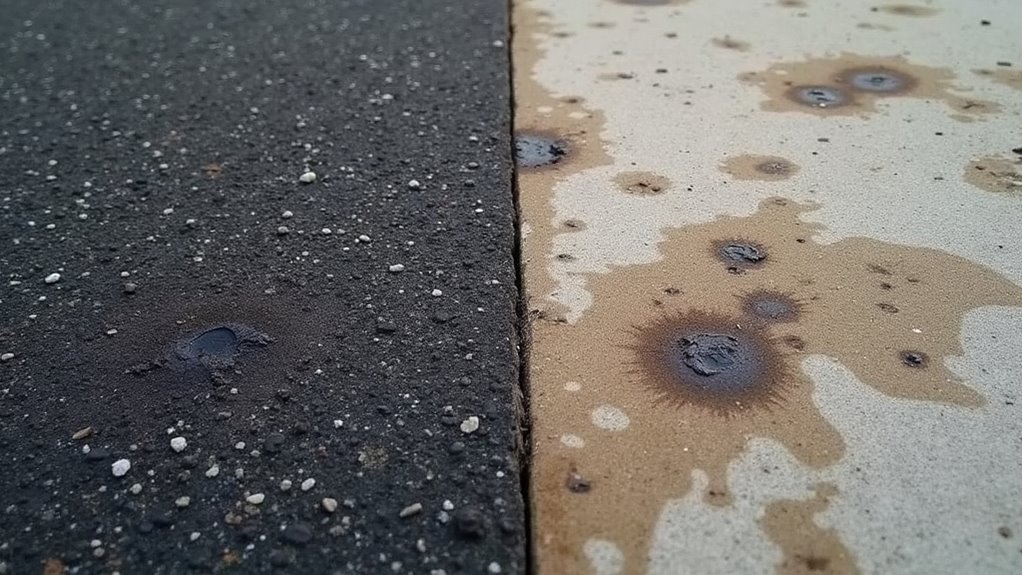
Not all oil stains are created equal—discover why your driveway’s surface determines everything about your cleanup strategy.
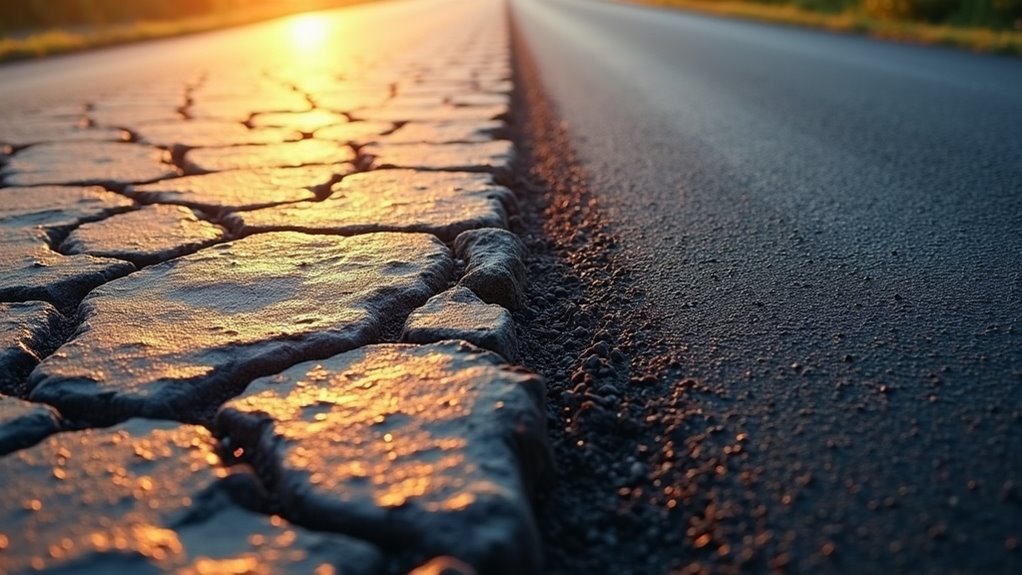
Knowing when to resurface versus replace your asphalt could save you thousands, but one critical sign changes everything.
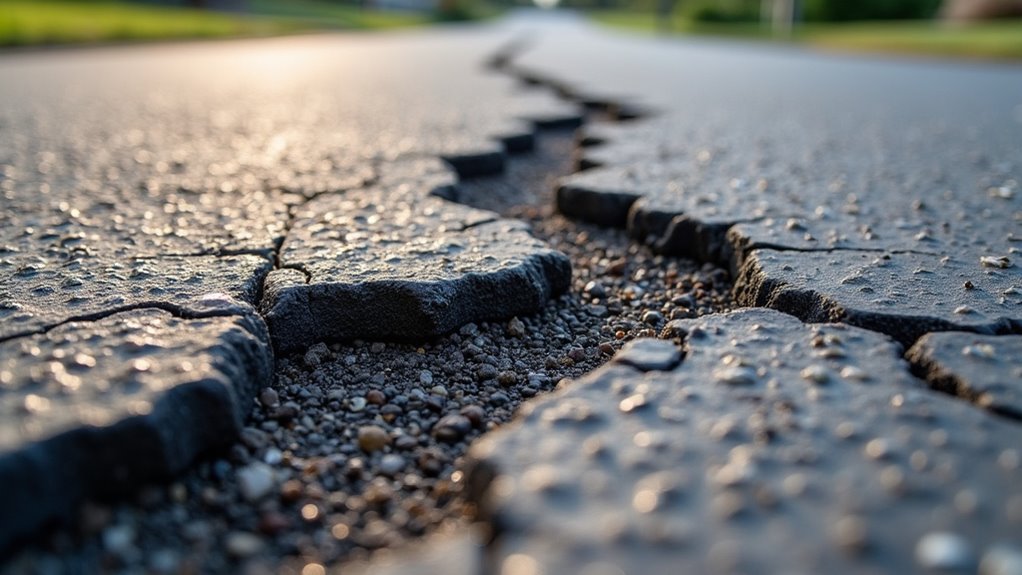
The difference between resurfacing and replacing your asphalt driveway comes down to one hidden factor most homeowners completely overlook.
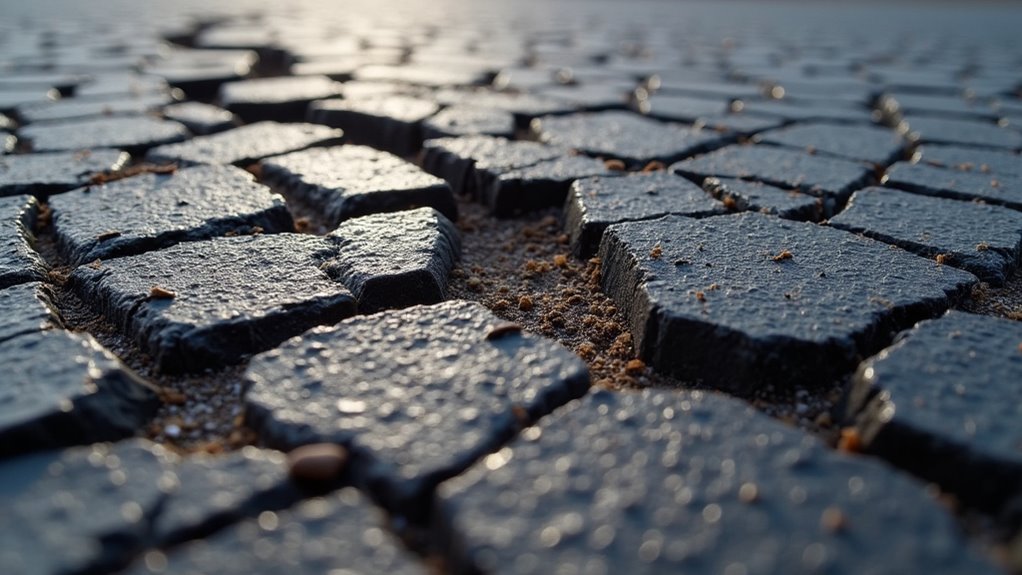
Just because your asphalt shows cracks doesn’t mean you need a full replacement—but ignoring these warning signs could cost you.
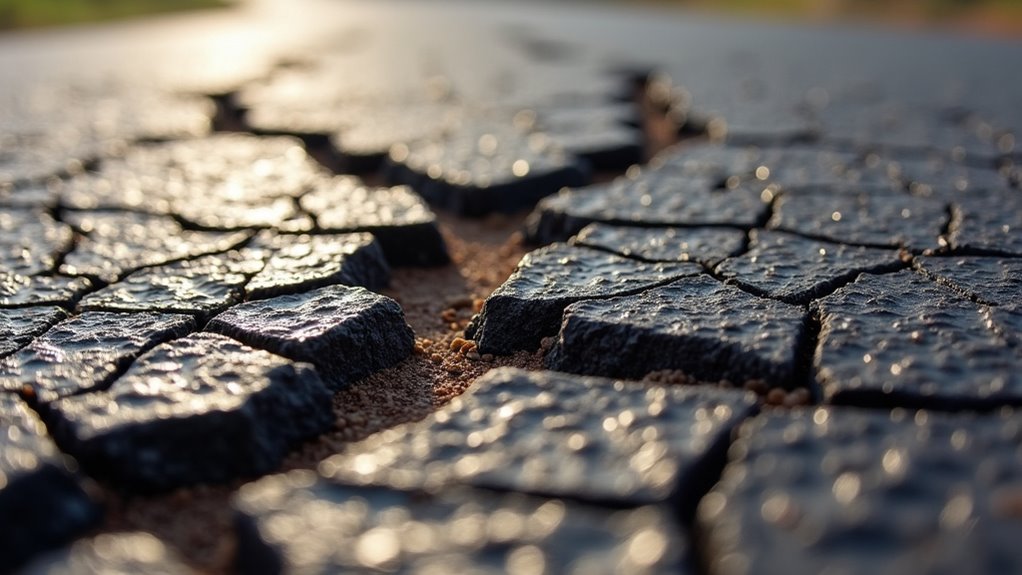
Learn why your driveway cracks might signal a minor fix or a costly disaster—the difference could save you thousands.
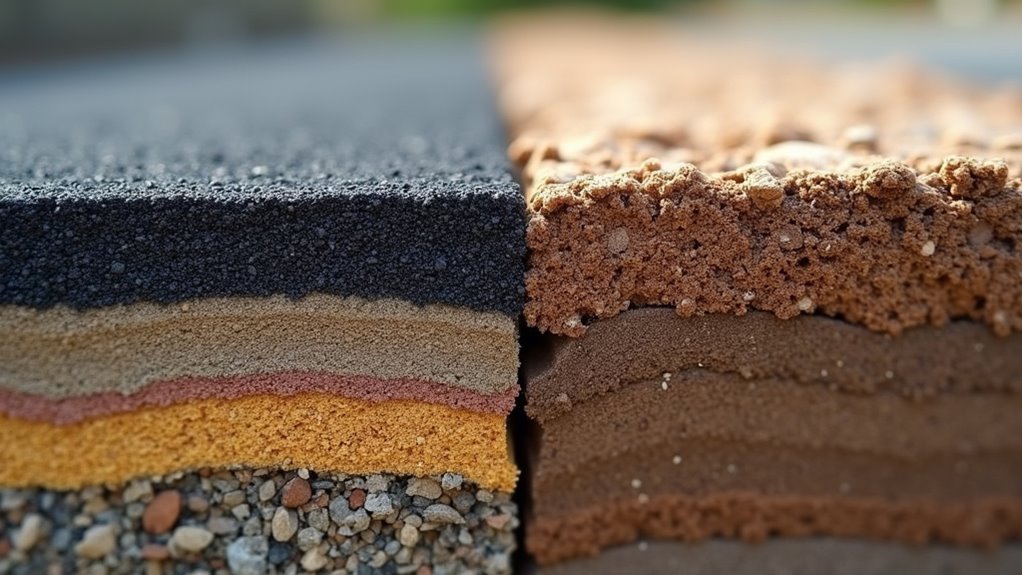
Hidden beneath your pavement lies the real factor that determines whether you need an overlay or full removal—and it’s not what you’d expect.